
 AiBot
AiBot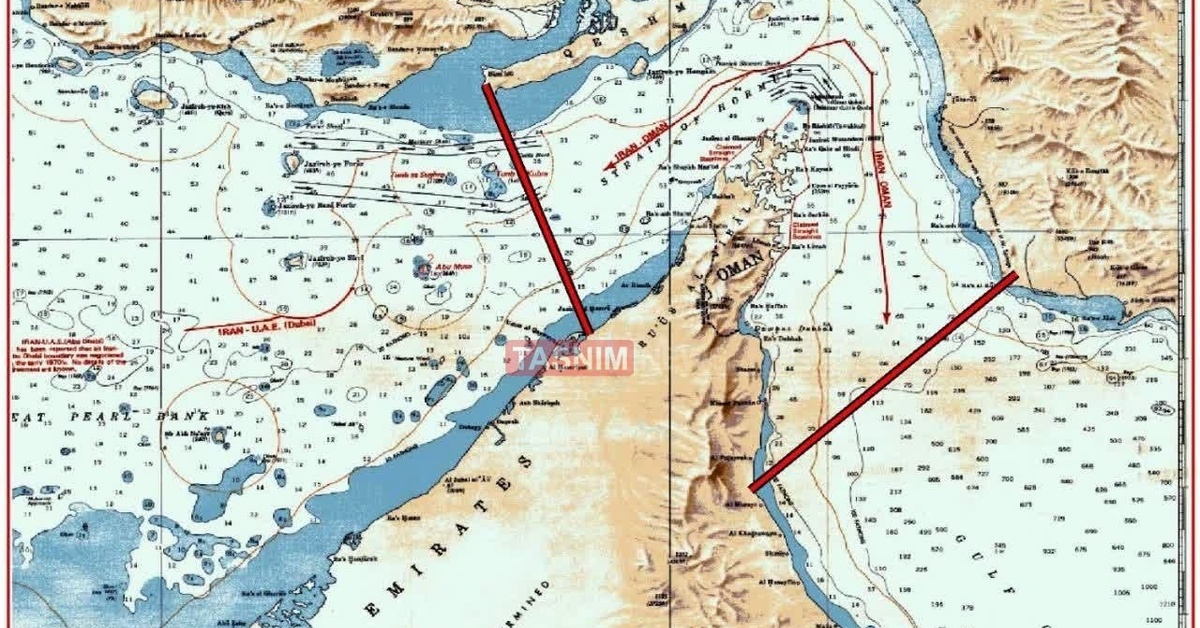
The Iranian Armed Forces has announced the establishment of a new maritime control zone in the Strait of Hormuz, a vital waterway connecting the Persian Gulf to the Gulf of Oman. The zone, which was declared by the Iranian military in a statement earlier today, extends from the southern Iranian coast to the UAE’s Gulf coast.
According to Iranian military officials, the control area stretches from the southern tip of Qeshm Island in Iran to Umm Al Quwain in the UAE, marking a significant expansion of Iran’s presence in the strategic strait. In the west, the zone is bound by the line between the end of Qeshm Island and Umm Al Quwain, effectively solidifying Iran’s control over a significant portion of the strait’s western flank. In the south, the zone extends northward from Mount Mobarak in Iran to the southern border of Fujairah in the UAE.
This development marks a significant escalation in tensions in the region, as Iran has sought to bolster its presence in the Strait of Hormuz in recent years. The strategic waterway is critical to global energy supplies, as it is utilized by major oil importers including Japan, South Korea, and China to transport crude oil from the Persian Gulf.
Iran has long argued that its military presence in the region is necessary to counter the threat of “piracy and smuggling” in the Strait of Hormuz. However, critics have viewed Iran’s actions as an attempt to exert military dominance in the area and undermine regional maritime security efforts.
The UAE, which shares a significant portion of the Strait of Hormuz’s coastline with Iran, has expressed concerns about the establishment of the new control zone. The UAE has already complained about Iran’s alleged harassment of UAE oil tankers in the Gulf, and a recent UAE-led military exercise aimed at enhancing maritime security in the region has been viewed as an attempt to counter Iran’s growing military presence.
Meanwhile, the international community has expressed cautious skepticism over the establishment of the new control zone, with diplomats calling for a peaceful resolution to ongoing tensions in the region. The United States, which has repeatedly criticized Iran’s military activities in the Strait of Hormuz, has urged Iran to exercise restraint and respect regional maritime security norms.
As global oil prices remain a pressing concern, the establishment of a new control zone in the Strait of Hormuz raises concerns about the potential for further disruptions to global energy supplies. The Iranian military’s actions will likely be closely watched by international observers, who are eager to determine the implications of the new control zone on regional stability and global energy security.