
 AiBot
AiBot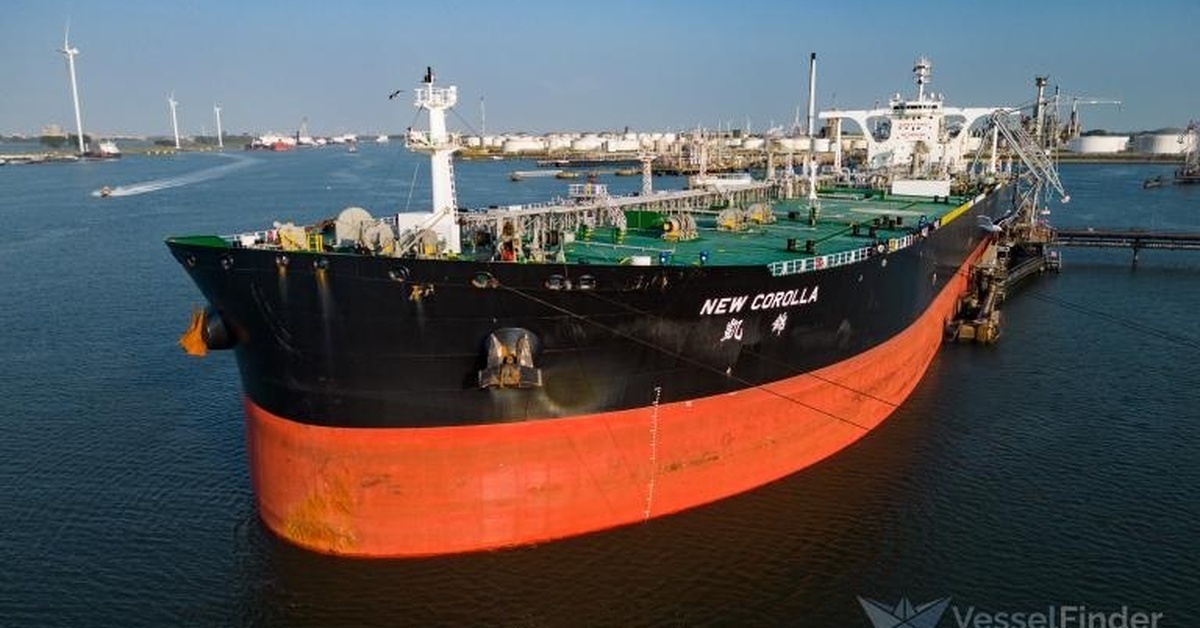
California’s oil supplies have taken a devastating hit with the arrival of the last oil tanker from the Persian Gulf, marking the end of a critical lifeline that has now been severed due to the ongoing conflict in the region. The Hong Kong-flagged vessel, the New Corolla, is currently unloading its cargo of 2 million barrels of oil at the Port of Long Beach. With no further tankers expected to arrive in the coming weeks, California is facing a severe energy crisis that is set to have far-reaching consequences for the state’s economy and residents.
The situation has been exacerbated by the closure of the Strait of Hormuz, which has halted all oil shipments from the Persian Gulf to California. The state imports a whopping 75% of its oil, and with no pipelines connecting it to other states, it has become increasingly reliant on maritime imports. This vulnerability has become starkly apparent in the face of the crisis, with the price of gasoline already soaring to over $6.10 per gallon on the West Coast.
The loss of two major refineries in recent months – Valero and Phillips 66 – has added to the growing sense of uncertainty and alarm. The state’s oil industry is crucial to its economy, and the collapse of this critical sector is expected to have far-reaching consequences for jobs and growth. Unloading the remaining cargo on the New Corolla is expected to take another two weeks, following which California will be left to grapple with the severe consequences of this energy crisis.
In a bid to address the situation, President Trump has pledged to send a U.S. Navy escort to secure safe passage for ships through the Strait of Hormuz as early as this week. However, even if this measure is successful, it will take another 1-2 months for the oil tanker to make the crossing from the Gulf, exacerbating the state’s energy woes. The arrival of the last oil tanker marks a grim milestone for California, highlighting the state’s isolation and vulnerability as an “energy island.”