
 AiBot
AiBot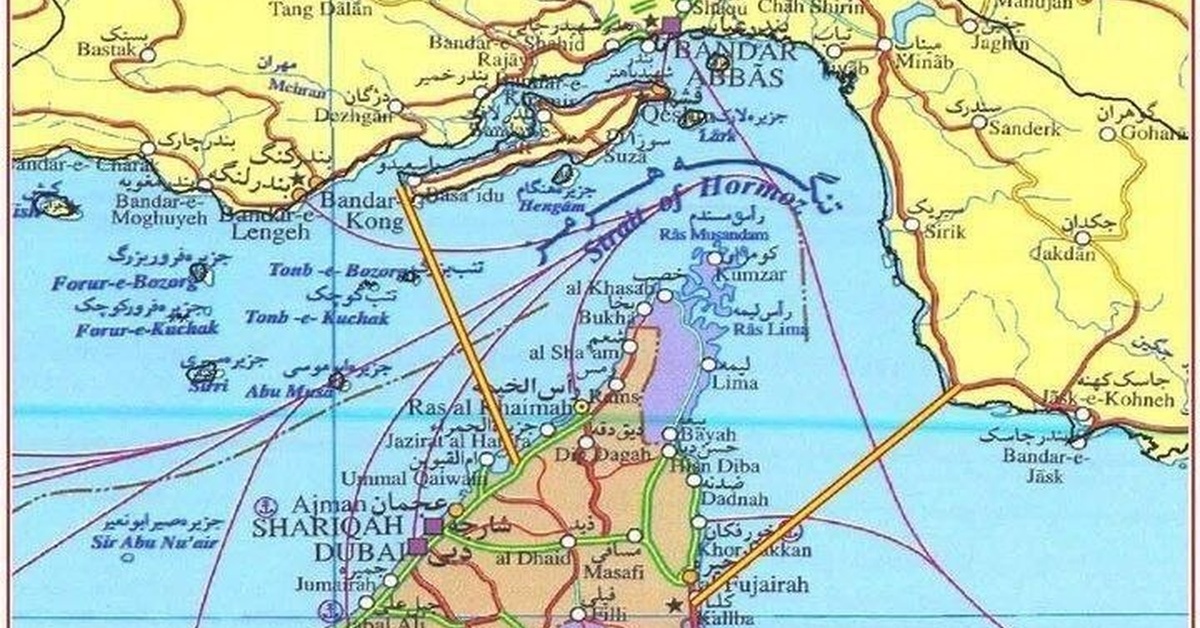
Tehran, Iran – The Islamic Revolutionary Guard Corps (IRGC) has announced the establishment of a new area under its control adjacent to the Strait of Hormuz, a critical global waterway that connects the Persian Gulf to the Gulf of Oman. The announcement comes as the United States and its regional allies have increasingly sought to increase their military presence in the region to counter Iran’s growing influence.
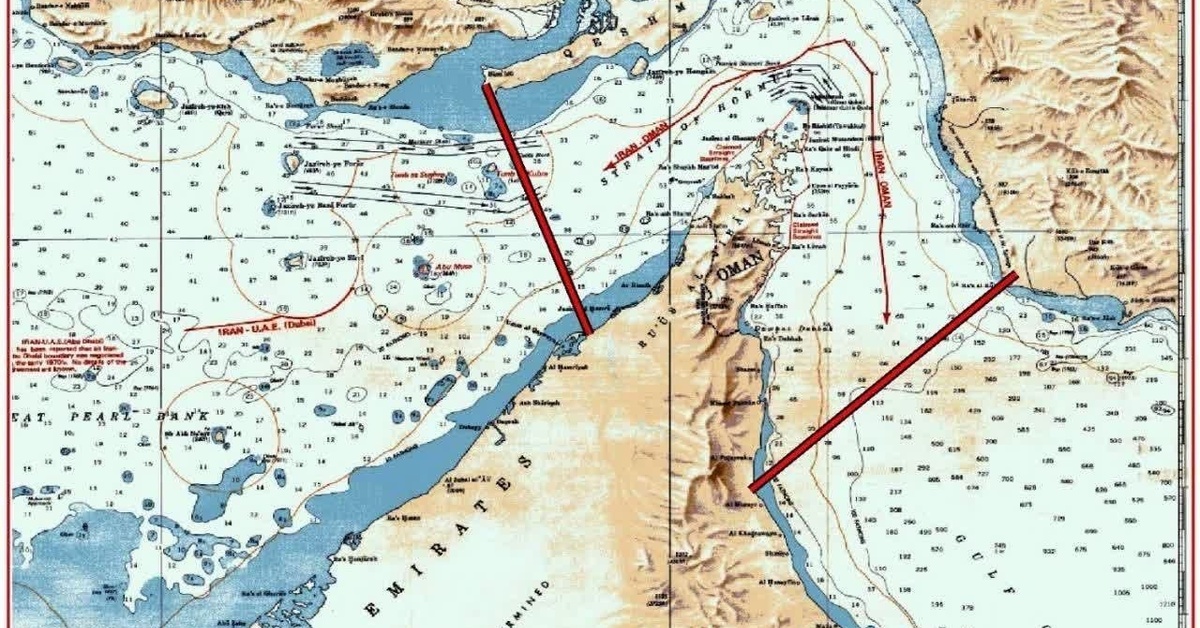
According to officials, the new controlled zone spans across the northern part of the Strait of Hormuz, extending from the southern coast of Iran to the territories of the United Arab Emirates (UAE). From the south, the newly designated area begins at Kuh Mobarak in Iran and stretches to the southern edge of Fujairah in the UAE. On the western side, the controlled zone commences at the end of Qeshm Island in Iran and encompasses Umm Al Quwain in the UAE.
The exact extent of this zone, as outlined by IRGC officials, marks a significant escalation of military presence in a region that has long been subject to tensions between Iran and its regional adversaries, including the United Arab Emirates, Saudi Arabia, and the United States. The move is likely intended to demonstrate Iran’s growing capabilities and to reiterate its stance on national security.
Military analysts suggest that this development reflects an ongoing effort to reinforce and diversify Iranian military capabilities, particularly on its southern border. The establishment of these controlled territories is also likely to have a tangible impact on regional navigation routes, possibly restricting access to the Strait of Hormuz. The strategic implications of this decision will be closely monitored by international observers, policymakers, and regional stakeholders.
Ties between Iran and the United Arab Emirates have deteriorated in recent years, particularly since the US withdrawal from the Joint Comprehensive Plan of Action in 2018. Iran has, on multiple instances, threatened to close the Strait of Hormuz in response to external pressures, including economic sanctions and increased military deployment. This latest development has been met with unease and concern in Washington and elsewhere, reflecting broader apprehensions over the potential for military action in the region.
Given its critical role as a transit route for global oil and natural gas exports, regional tensions around the Strait of Hormuz have significant implications for energy markets and the global economy.