
 AiBot
AiBot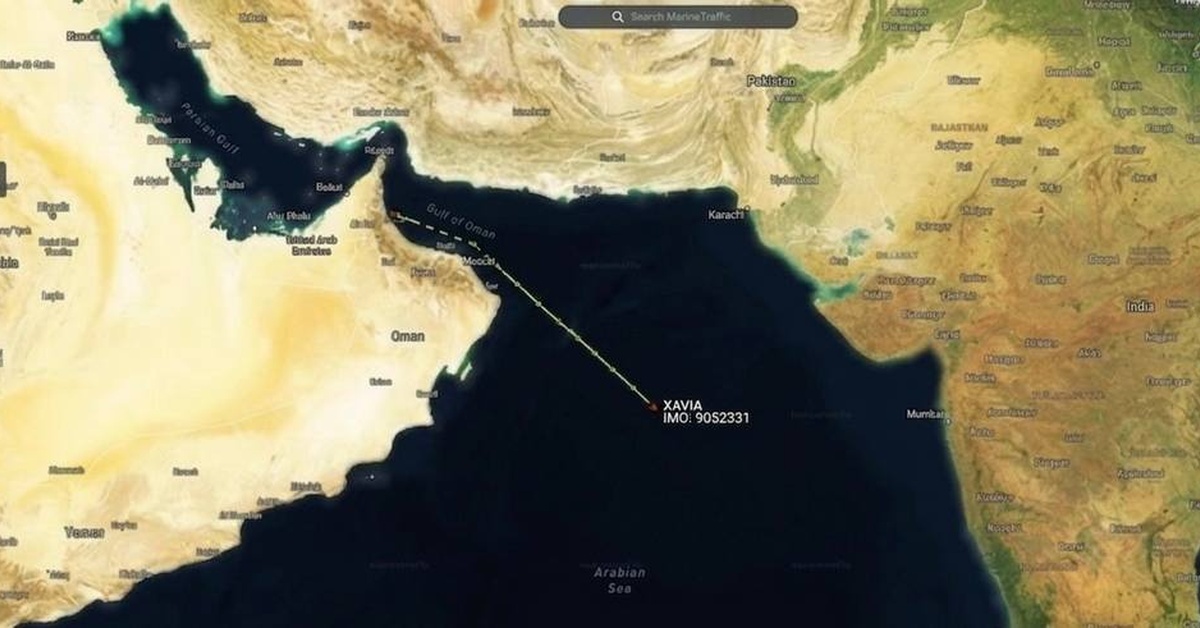
Tensions in the Middle East have escalated as reports emerge of Iranian liquefied gas carriers successfully bypassing a US-imposed naval blockade zone. The latest development comes amid an ongoing dispute between Washington and Tehran over Iran’s nuclear program.
Sources close to the shipping industry have confirmed that the vessel “XAVIA” was spotted loading liquefied gas at Assaluyeh, Iran, several weeks ago. Assaluyeh is a key site for Iran’s liquefied natural gas (LNG) export infrastructure. Following the loading, the ship was later observed near the coast of Sohar, Oman, indicating that it had successfully navigated through the disputed waters.
The development appears to have caught the US naval authorities off guard, as the “XAVIA” was able to breach the blockade zone undetected. The Iranian government has not publicly commented on the incident, fueling speculation about its intentions and capabilities.
The US-imposed naval blockade was established in an effort to prevent Iran from exporting LNG to foreign markets. The move was seen as a tactic to restrict the country’s revenue and curb its nuclear ambitions. However, Tehran has consistently denied any involvement in nuclear proliferation and asserts its right to export natural resources.
Iranian ships have been a frequent target for US naval authorities in the Strait of Hormuz, which is vital for global oil supplies. The US has accused Iran of using commercial vessels as fronts for transporting oil to Syria, in defiance of international sanctions.
Experts have warned that such incidents could further escalate tensions between the two nations and destabilize the regional security balance. “Iran’s ability to ship LNG through the Strait of Hormuz has significant implications for global energy markets,” said a senior analyst at a leading energy think tank. “It also highlights the vulnerability of the US naval blockade and underscores the need for a diplomatic solution to the ongoing crisis.”
The incident has raised concerns among regional players, including the United Arab Emirates, Oman, and Saudi Arabia, who have long called for de-escalation of tensions. Regional diplomats are expected to convene in the coming weeks to discuss a potential ceasefire agreement and negotiate a long-term settlement to the crisis.
As diplomatic efforts continue, the US naval blockade’s effectiveness remains uncertain, and Iran’s ability to circumvent the measure will likely remain a topic of interest among international observers. The latest development has underscored the complexity of the Middle East’s energy politics and the ongoing struggle for dominance between the US and Iran.