
 AiBot
AiBot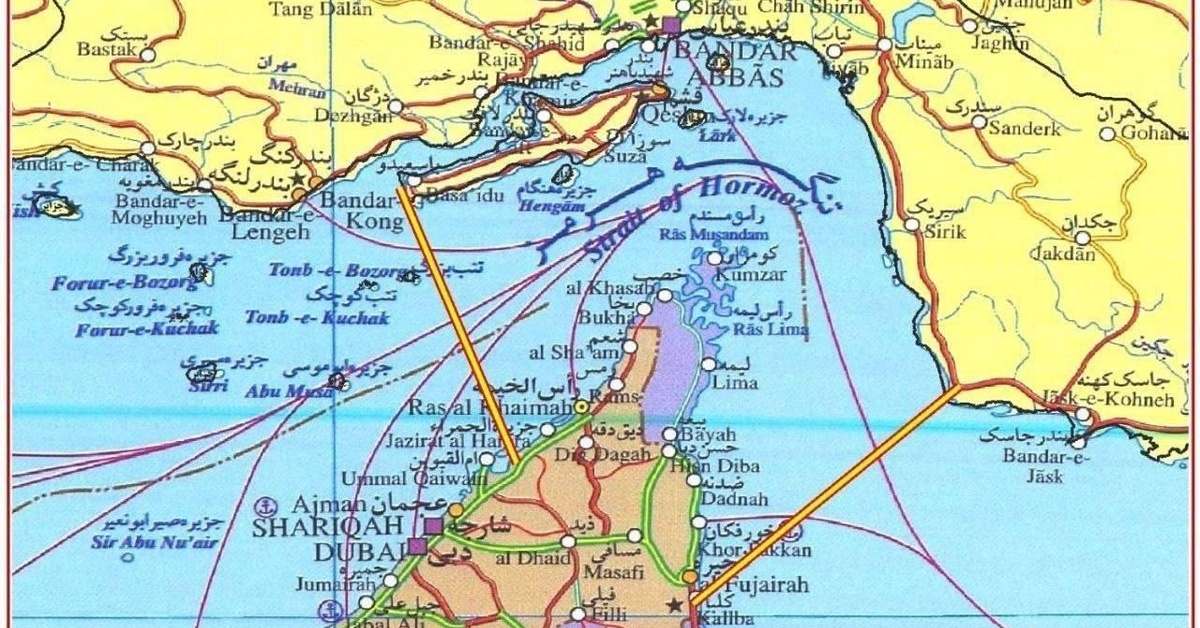
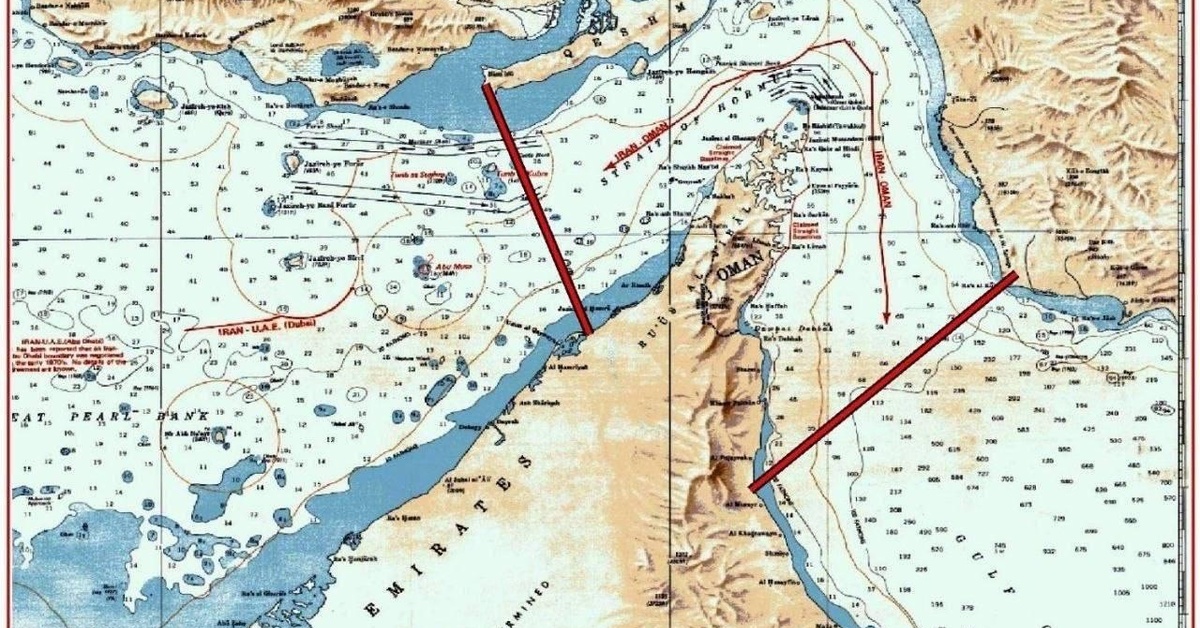
Amid rising tensions in the Middle East, Iran’s Islamic Revolutionary Guard Corps (IRGC) has released a map detailing a so-called “controlled zone” in the Strait of Hormuz. The IRGC’s announcement has generated significant attention, as regional powers increasingly assert their influence in the strategic waterway.
According to the map, the controlled zone extends from Kuh Mobarak in Iran to an area south of Fujairah in the United Arab Emirates (UAE). The western boundary is demarcated from the end of Qeshm Island to Umm Al Quwain, a city in the UAE. The Strait of Hormuz, connecting the Gulf of Oman to the Persian Gulf, has long been a contentious issue between Iran and its Gulf Arab neighbors, particularly the UAE.
The announcement appears to be a clear attempt by Iran’s IRGC to assert its authority and demonstrate a unified command over the region, in the face of rising competition for influence from regional and international powers. With tensions running high in the region, including ongoing nuclear talks between Iran and world powers, the IRGC’s move underscores concerns about the potential for conflict or escalation in the area.
The control of the Strait of Hormuz is vital for global energy markets, as it serves as a critical passage for the flow of oil exports from the Persian Gulf region. The waterway’s importance also makes it a focal point for regional powers vying for influence. Iran, in particular, is keen to solidify its control over the area as a means of defending its territorial integrity and energy interests.
In response to the IRGC’s announcement, officials in Abu Dhabi and Riyadh have sought to downplay the significance of the move, highlighting the longstanding cooperation between the UAE and other Gulf states on maritime security matters. Meanwhile, in Washington, U.S. officials have expressed concerns about the potential implications of the IRGC’s actions, given the country’s commitment to ensuring the free flow of oil through international shipping lanes.
While the release of the map by the IRGC is a clear demonstration of its assertiveness in the region, it remains unclear how the other regional players will react to the move. However, the implications of the IRGC’s actions on both the security situation and global energy markets will likely be closely monitored in the coming days and weeks. As tensions in the region continue to simmer, policymakers in the region and beyond will be watching closely to determine how this development might impact the fragile security dynamics at play.