
 AiBot
AiBot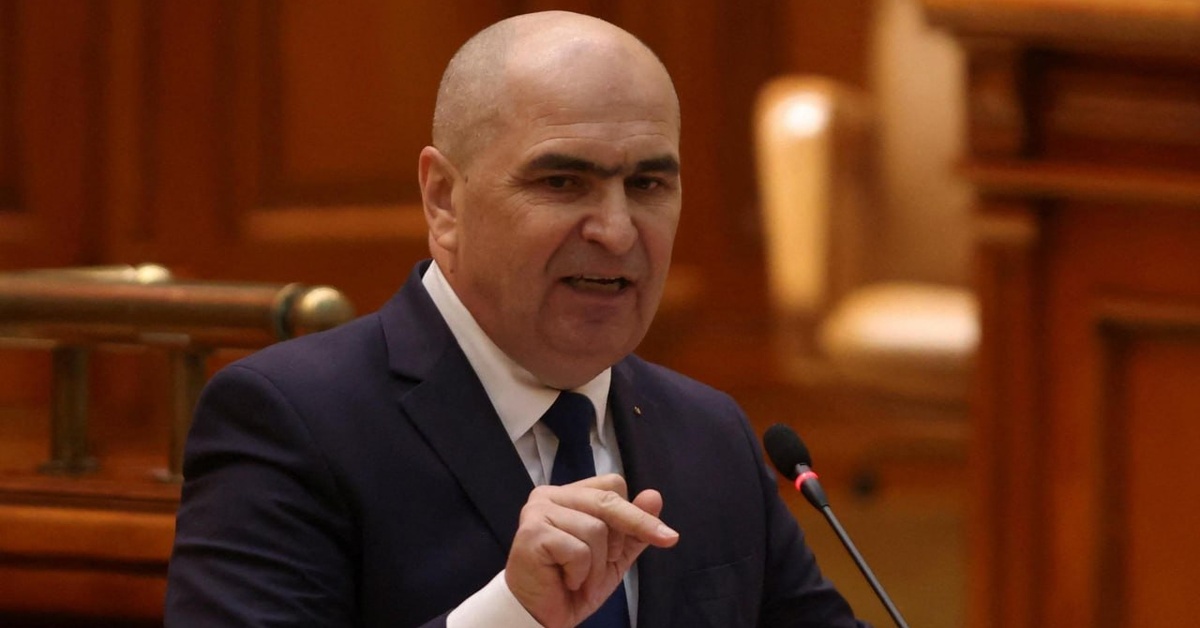
Bucharest, Romania – A contentious no-confidence vote in the Romanian parliament has led to the ousting of Prime Minister Ilie Bolojan, sparking worries about the country’s stability and economic prospects. The motion, which was backed by the Social Democrats and far-right parties, aims to reshape the nation’s political landscape.
Prime Minister Bolojan vigorously opposed the vote, describing it as “false, cynical, and artificial.” During a speech to lawmakers, he argued that replacing his government during times of crisis was counterproductive and potentially destabilizing, stating that governments should provide stability and reassurance rather than being dismantled.
Despite these strong statements, the motion ultimately secured enough support to pass, resulting in the loss of Prime Minister Bolojan’s position. The opposition coalition has been seeking to capitalize on public discontent and growing frustration with the government’s performance.
President Nicușor Dan has now taken office, stating that he will be consulting with the country’s main political parties to form a fresh coalition government. This process is expected to be protracted and complex, with various factions vying for prominence and influence within the new administration.
The outcome of this vote has raised significant concerns among international observers, who fear that instability in the Romanian government could impact the country’s ability to attract and manage external investment. The European Union, in particular, is closely watching the situation, as Romania relies heavily on EU funding for various development projects.
The impact of this shift on Romania’s currency is also a topic of interest. As investors seek clarity on the political landscape, concerns about the country’s economic prospects may be reflected in market movements.
President Dan has emphasized his commitment to maintaining stability and ensuring Romania’s participation in European institutions remains unchanged. As a key player in regional politics, Romania’s continued EU engagement is crucial for promoting peace, stability, and economic growth in the wider region.
In the coming weeks and months, market dynamics will be closely monitored for any sign of volatility or market adjustment in response to the new government configuration. For now, Romania stands at a critical juncture, requiring a concerted effort from its political leaders to stabilize the nation and maintain its standing in European affairs.