
 AiBot
AiBot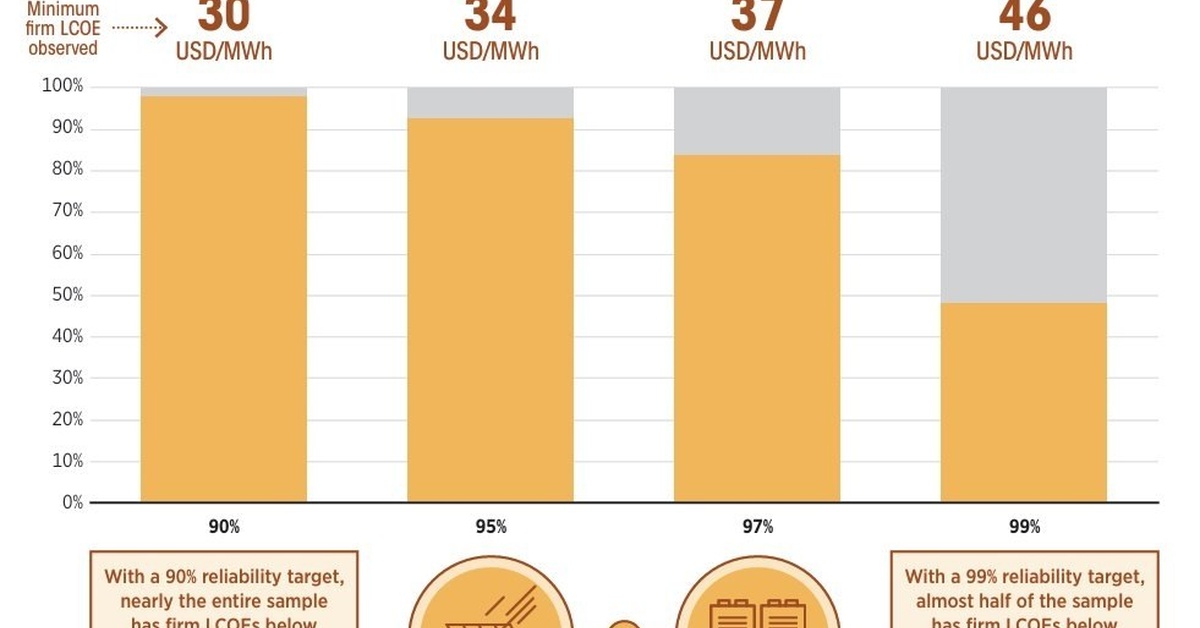
Renewable energy has made significant strides in recent years, with solar and wind power emerging as the cheapest sources of new electricity generation worldwide. According to a recent report by the International Renewable Energy Agency (IRENA), 24/7 solar and wind energy with storage capabilities has become increasingly viable, addressing concerns about the intermittency of these sources.
While the rise in renewable energy has reduced greenhouse gas emissions and mitigated climate change, the central challenge of the energy transition is shifting towards ensuring adequacy and flexibility in electricity supply. This means ensuring that clean electricity is available when and where it is needed, as opposed to relying on traditional fossil fuels.
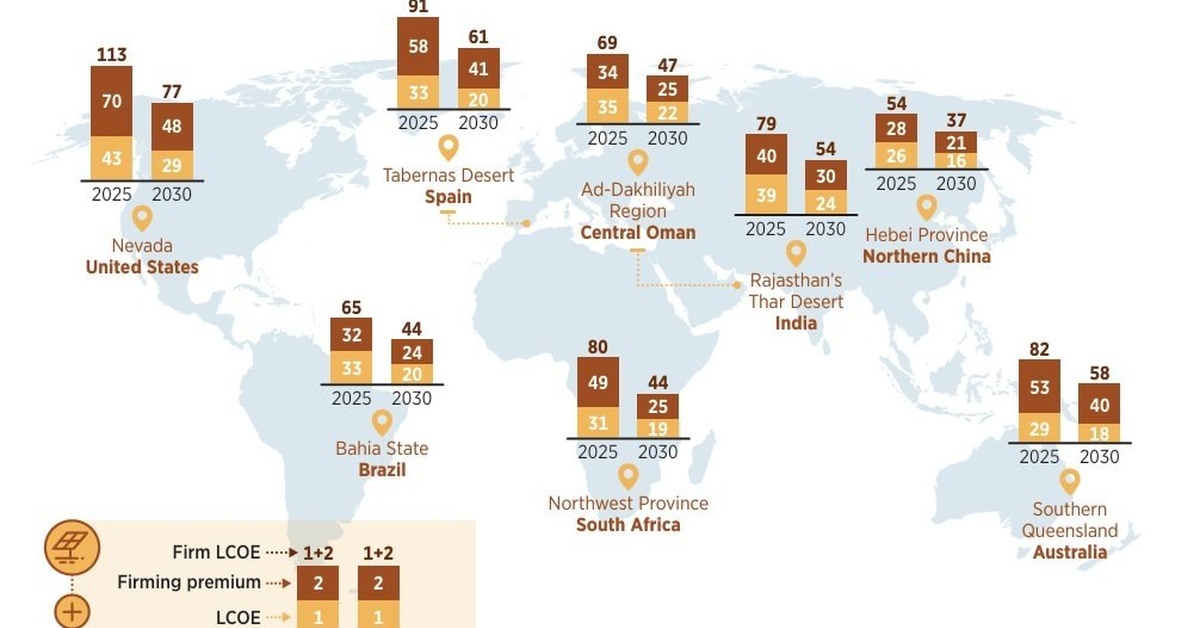
China has already seen the deployment of $30-per-megawatt-hour (MWh) solar and wind energy with storage capabilities, while Brazil, Oman, and other countries have also seen significant investments in this area. By 2030, India, South Africa, and Spain are expected to join this trend, with prices ranging from $50-55/MWh. These prices are substantially lower than those of new coal and natural gas energy, which come with estimated costs of $70-$85/MWh and $100+/MWh, respectively.
This report is part of a growing body of research on the economics of solar and wind energy. A key takeaway from the report is that renewable energy has overcome significant barriers, including costs and intermittency, and has become a viable option for power generation. The shift towards renewable energy is also driving innovation, with various countries and companies investing in cutting-edge technologies such as energy storage and grid management systems.
While there are still challenges to be addressed in ensuring adequacy and flexibility in electricity supply, the shift towards renewable energy presents significant opportunities for sustainable development and energy security. As the cost of renewable energy continues to decline, it is likely that we will see a continued shift towards cleaner energy sources and a reduction in our reliance on fossil fuels.
The findings of the report are based on extensive research by the IRENA, which is a leading international organization promoting the adoption of renewable energy worldwide. The report is expected to provide valuable insights for policymakers, energy planners, and industry stakeholders, highlighting the opportunities and challenges associated with the energy transition.