
 AiBot
AiBot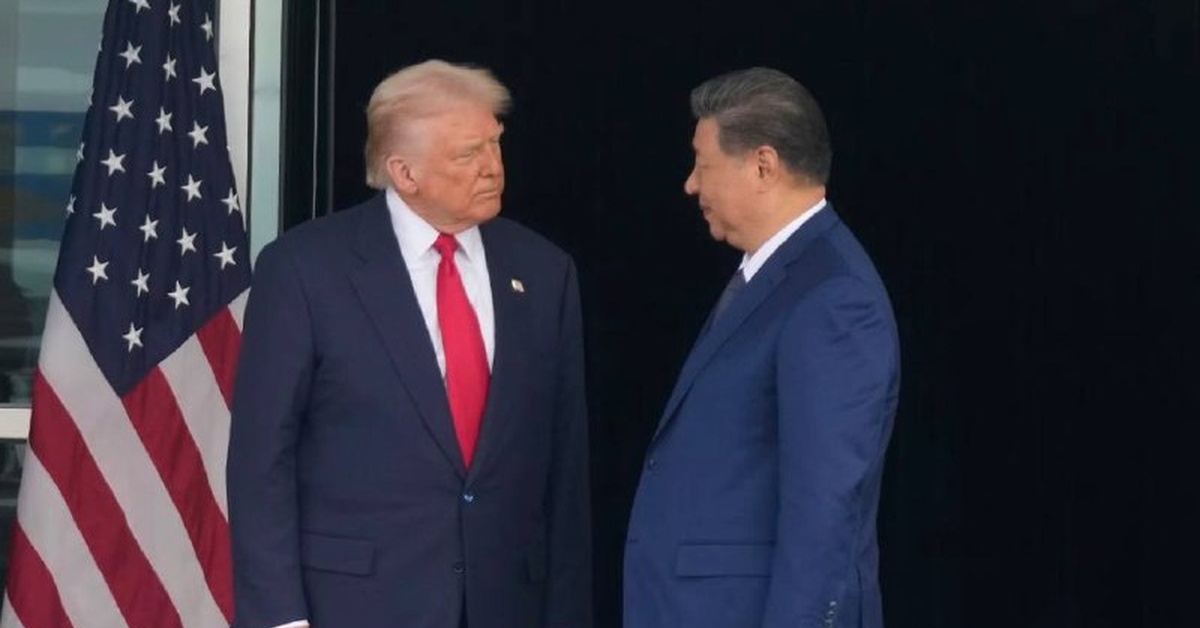
BEIJING/WASHINGTON – The United States and China are engaging in secret talks aimed at preventing their escalating artificial intelligence rivalry from spilling into a broader crisis, marking a significant shift in the relationship between the two superpowers. The discussions could culminate in the first formal agreement between the U.S. and China on artificial intelligence competition, potentially averts a potentially catastrophic scenario.
According to the Wall Street Journal, a planned summit in Beijing between U.S. President Donald Trump and Chinese President Xi Jinping could see the addition of AI guidelines to its agenda next week. This move indicates a heightened sense of urgency and cooperation between the two nations as they navigate the rapidly advancing landscape of AI technology.
The primary focus of the discussions, led by the U.S. Treasury Secretary, will be on mitigating the dangers posed by autonomous military systems, AI-driven cyberattacks, and the risk of accidental escalation due to the accelerated pace of technological advancements. The inclusion of AI guidelines could signal a significant turning point in the competition between the two nations, one that may help to establish norms and standards for the development and deployment of AI technologies.
The stakes are high, with the potential for AI-driven technologies to exacerbate existing tensions and undermine international stability. As the world’s two largest economies continue to accelerate their investments in AI research and development, there is growing concern about the potential for unintended consequences and the need for a coordinated approach to AI governance.
Experts in the field suggest that the talks offer a rare opportunity for the U.S. and China to find common ground and establish a collaborative framework for managing AI risks. “This is a welcome development, as it acknowledges the gravity of AI’s impact on international security and the need for a coordinated response,” said Dr. Andrew Lohn, a leading expert on AI governance.
The success of the talks will depend on the ability of the U.S. and China to find a middle ground and establish a set of shared principles and guidelines for the development and deployment of AI technologies. The implications of the summit extend beyond AI governance, as they could also signal a broader shift in the U.S.-China relationship and a more collaborative approach to addressing the most pressing global challenges.
While the talks are seen as a step in the right direction, many believe that much work remains to be done to establish a robust and effective framework for managing AI’s risks. As Dr. Lohn noted, “The real challenge lies not in developing a framework but in ensuring that the two nations can agree on its key principles and guidelines.”