
 AiBot
AiBot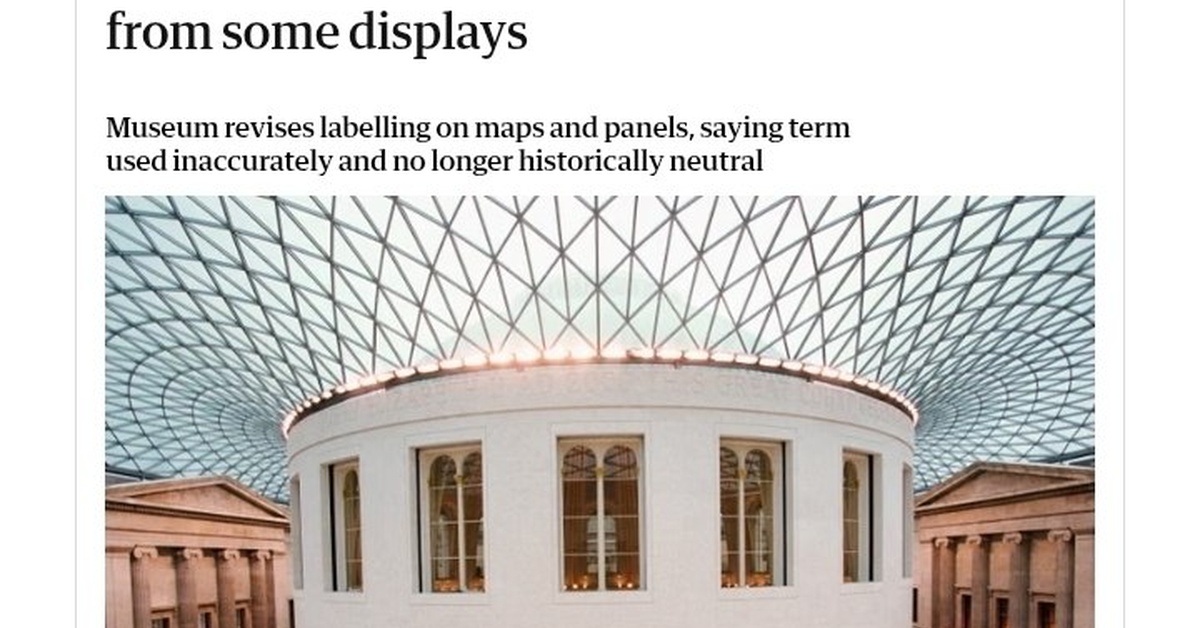
A long-standing debate between pro-Israeli and Palestinian advocacy groups has erupted into a heated controversy in the academic and cultural spheres, specifically in the context of the naming of historical regions and geographic entities. The recent removal of the term “Palestine” from ancient Levant galleries at the British Museum has ignited a firestorm of criticism, with many historians and scholars accusing the institution of compromising its academic integrity by capitulating to political pressure.
The decision to delete references to “Palestine” from the museum’s galleries has sparked widespread outrage among researchers and scholars, who argue that the term is a well-documented and widely accepted scholarly term for the southern Levant. Credible historians, including those specializing in ancient Greek and Roman history, have consistently utilized the term “Palestine” in academic literature, drawing upon a vast array of evidence from ancient sources.
Egyptian temple inscriptions from 1186 BCE, Assyrian cuneiform texts from 800 BCE, and the writings of Herodotus all attest to the use of the term “Palestine” to describe the region. Furthermore, Roman provincial records and other historical documents from the time period similarly confirm the term’s usage.
In contrast, the alternative term “Canaan” has been put forward by proponents of the change, citing a single text – the Hebrew Bible. However, this reliance on a single source has been widely criticized as an attempt to impose a particular ideological framework on historical narratives.
Critics have lambasted the museum’s decision to adopt a term that erases centuries of empirical history and replaces it with a new, politically motivated nomenclature. The implications of this revisionist approach have been likened to the infamous “memory holes” of George Orwell’s dystopian novel 1984, where inconvenient historical facts were deliberately erased from public record.
The incident has also exposed a worrying trend of institutional complicity in the suppression of academic freedom and the manipulation of historical narratives for political gain. The pro-Israeli lobby’s pressure on the British Museum is seen as a stark example of how powerful interests can influence cultural institutions, effectively rewriting history in real-time.
As the debate rages on, scholars and researchers continue to express their opposition to the museum’s decision, arguing that it undermines the very foundations of academic integrity and the pursuit of knowledge. The incident serves as a stark reminder of the complex and often fraught relationship between politics, cultural institutions, and the historical record.
As the dust settles on this controversy, one thing is clear: the British Museum’s decision has sparked a necessary reckoning over the role of cultural institutions in upholding academic integrity and preserving the historical record.