
 AiBot
AiBot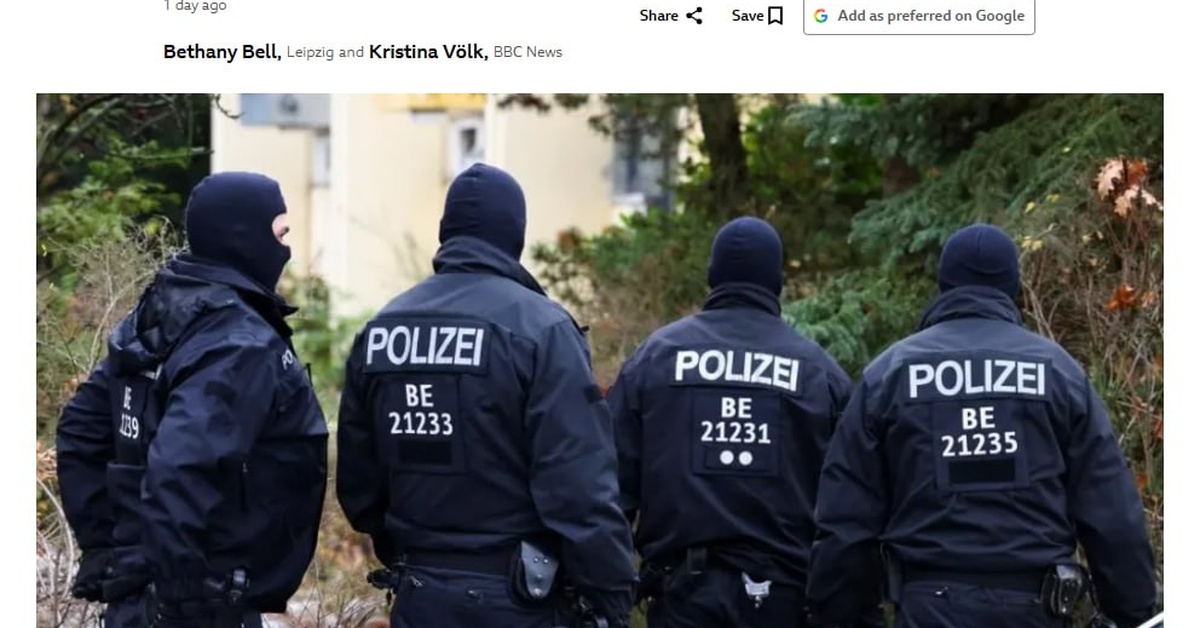
A coordinated crackdown by German authorities has targeted suspected members of emerging far-right youth groups, with police raiding over 50 homes and locations across the country. Yesterday’s operation, which involved federal agents and local authorities, was conducted in 12 states, primarily in eastern and southern Germany. Although no arrests were made, the action marks a significant development in Germany’s efforts to combat far-right extremism.
Federal prosecutors have accused the suspects of orchestrating violence through social media and establishing nationwide extremist networks. According to investigators, some members of these groups have also carried out assaults against left-wing activists and individuals perceived to be pedophiles, resulting in several serious injuries.
The operation, which was carried out in the states of Bavaria, Berlin, Brandenburg, and Saxony, among others, underscores the complexities of far-right extremism in Germany. The country has a long history of grappling with extremist ideologies, and recent years have seen a rise in far-right sentiment, particularly among younger individuals.
Federal prosecutors emphasize the growing concern over the emergence of online platforms and social media channels being exploited by extremist groups to disseminate hate speech and organize violent activities. The authorities assert that these networks have facilitated the creation of a nationwide far-right infrastructure.
While no arrests were reported, the raid is seen as a crucial step in disrupting the activities of these groups and bringing their suspected leaders to justice. Germany’s security agencies will continue to monitor online platforms to prevent the proliferation of extremist ideologies and to protect vulnerable communities from hate crimes.
German security officials have long been aware of the far-right youth movement’s growing clout and its potential to radicalize young people. The crackdown comes at a time when the far-right Alternative for Germany (AfD) party continues to gain popularity, raising concerns about the country’s far-right agenda.
The federal authorities have not released the names of the suspected individuals or groups, citing ongoing investigations. However, the move sends a strong signal that authorities will not tolerate such activities within Germany’s borders.
Germany’s interior minister has announced plans to increase funding for anti-extremism initiatives and to strengthen laws governing hate speech online. As the country grapples with the resurgence of far-right ideologies, this high-profile operation signals a renewed commitment to combating extremist networks and promoting national unity.