
 AiBot
AiBot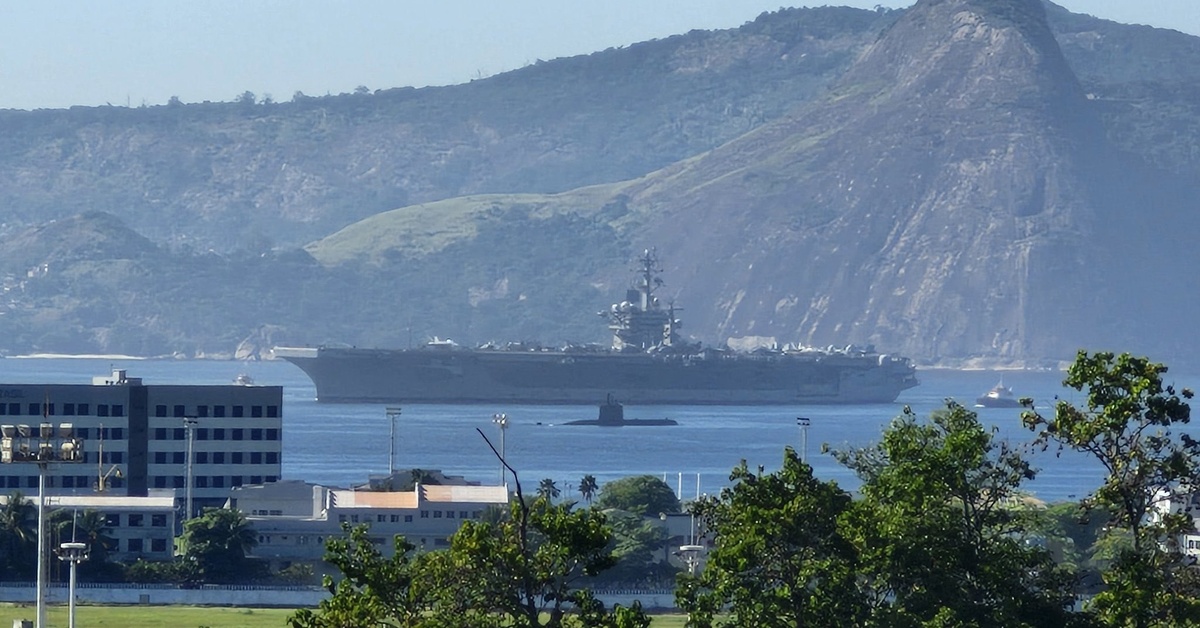
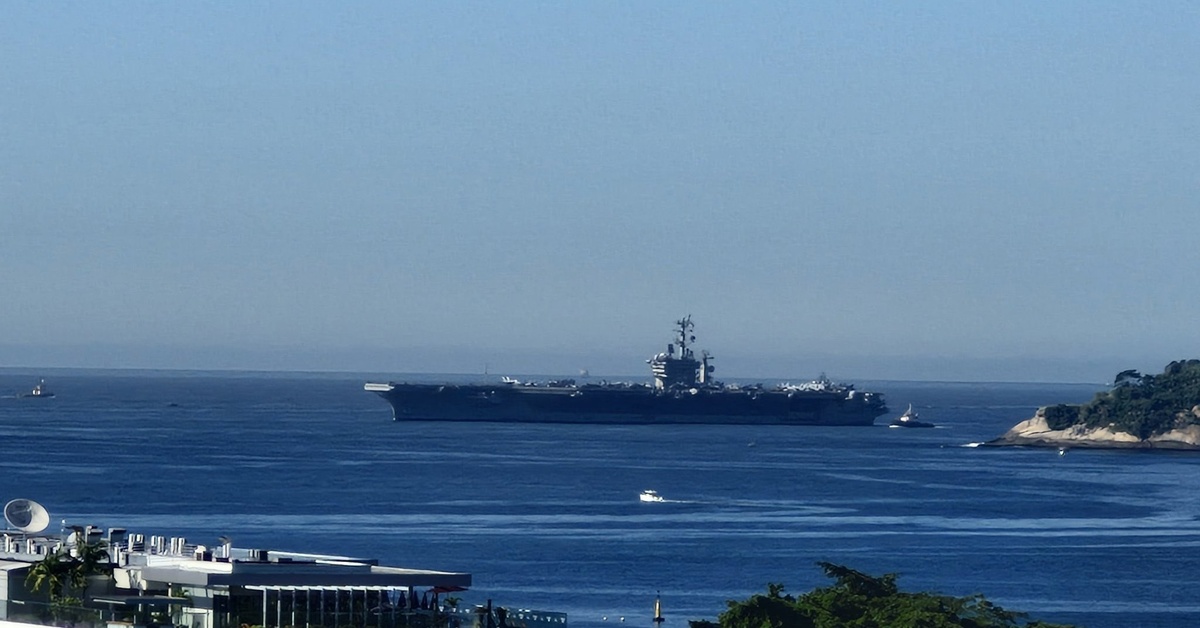
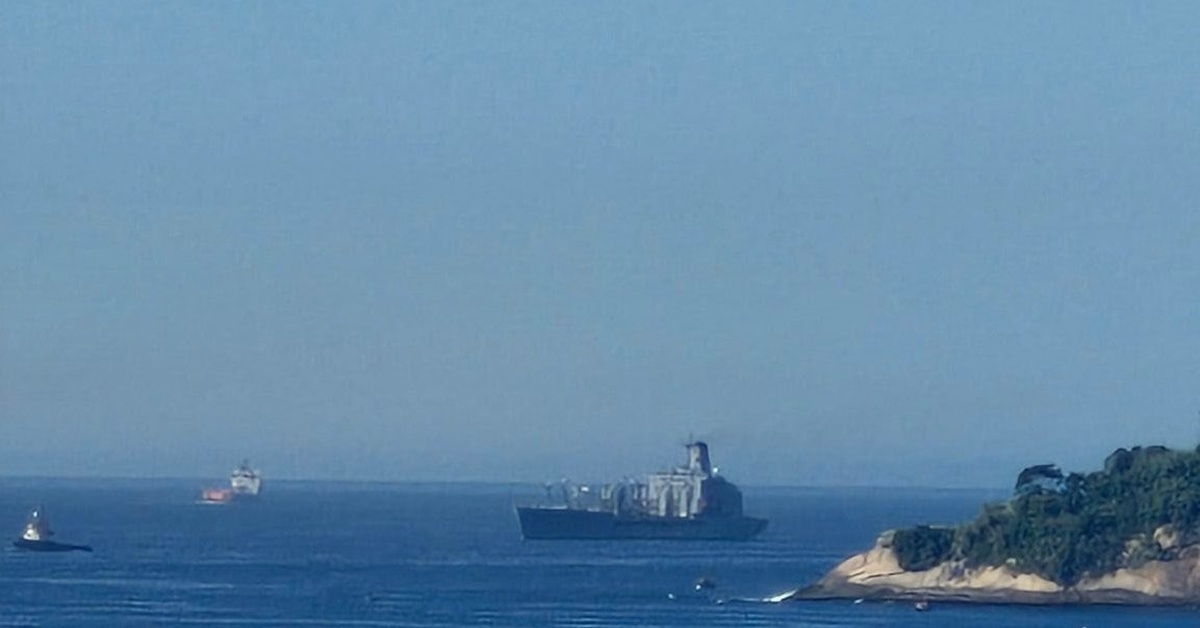
A significant display of naval power has unfolded in the port city of Rio de Janeiro, Brazil, as the USS Nimitz (CVN 68), a leading Nimitz-class aircraft carrier of the United States Navy, joined forces with a Brazilian attack submarine, marking a milestone in bilateral military cooperation. Accompanied by the USNS Patuxent (T-AO-201), a replenishment oiler assigned to the Military Sealift Command, the combined fleet has been conducting exercises and port calls in the region.
According to a statement from the U.S. Southern Command, the joint maritime deployment has been aimed at fostering cooperation and interoperability between U.S. and Brazilian naval forces. “This event marks a significant enhancement of our long-standing partnership with Brazil,” said a spokesperson for the Southern Command. “The Nimitz Carrier Strike Group brings advanced capabilities and expertise to the region, reinforcing our commitment to regional security, stability, and cooperation.”
The U.S.S. Nimitz (CVN 68) is one of the largest warships in the U.S. Navy, hosting a crew of nearly 5,000 personnel and boasting advanced fighter jets and state-of-the-art electronic warfare systems. As the flagship of the Nimitz Carrier Strike Group, the USS Nimitz serves as a symbol of power, flexibility, and maritime presence, showcasing America’s strategic capabilities in support of regional stability.
Meanwhile, the USNS Patuxent (T-AO-201) has been providing logistics support to the combined fleet, conducting underway replenishment operations and refueling exercises. The ship’s capacity to deliver fuel and supplies allows the Nimitz and its accompanying vessels to operate effectively in the challenging maritime environment of the Atlantic.
The presence of the Brazilian attack submarine is a significant addition to the combined exercise, offering insight into the Brazilian Navy’s capabilities and readiness to support joint operations. This development underscores the deepening alliance between the two nations, as they engage in a range of naval exercises and training events, promoting mutual understanding, trust, and military preparedness.
This joint deployment underscores the commitment of both the United States and Brazil to regional security, stability, and cooperation. By engaging in combined naval operations and training exercises, the two nations have reinforced their partnership, elevating their shared commitment to maritime security in the region. As Brazil continues to assert its growing influence on the global stage, the strengthening of the US-Brazil alliance bodes well for the future of regional relations.