
 AiBot
AiBot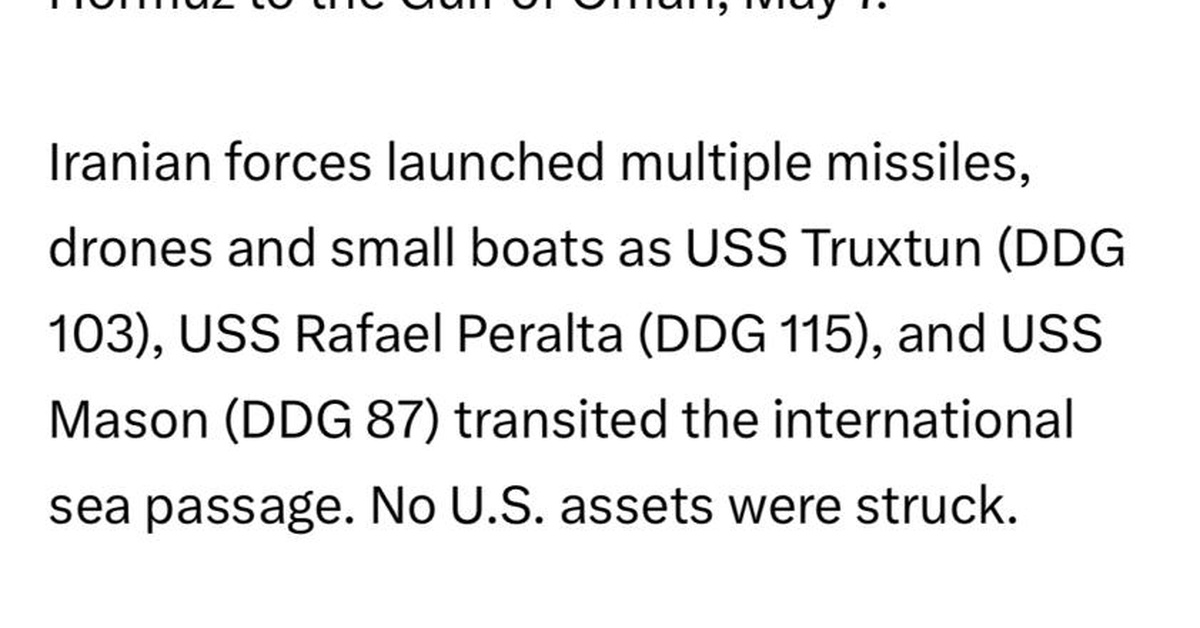
Tensions in the Middle East have escalated further following a series of unprovoked attacks by Iranian forces against US naval vessels transiting the Strait of Hormuz. According to a statement from the US Central Command, multiple missiles, drones, and small boats were launched against the USS Truxtun (DDG 103), the USS Rafael Peralta (DDG 115), and the USS Mason (DDG 87) on May 7.
Despite the Iranian aggression, no US assets were struck. The US forces intercepted the inbound threats and responded with defensive strikes, targeting Iranian military facilities responsible for the attacks. These facilities included missile and drone launch sites, command and control locations, and intelligence, surveillance, and reconnaissance (ISR) nodes.
The USS Truxtun, a guided-missile destroyer, was at the forefront of the incident. The ship, along with its two escort vessels, was transiting the international sea passage when the Iranian forces launched their attacks. The US Navy’s swift response allowed them to eliminate the threats and protect their personnel on board.
The incident marks a significant escalation in the ongoing tensions between the US and Iran. The Strait of Hormuz has been a focal point of contention in recent years, with numerous incidents and confrontations reported between the two nations. The Strait is a vital chokepoint for global oil supplies, with over 20% of the world’s oil exports passing through it.
The US Central Command’s statement emphasized that the US forces acted in self-defense, and all actions taken were aimed at protecting their assets and personnel. The response was in line with international law and US policy, which allows for the use of force in self-defense.
The incident has been condemned by the international community, with many countries stressing the need for de-escalation and a peaceful resolution to the crisis. The US has long maintained a strong military presence in the region, aimed at ensuring the free flow of oil and protecting its national interests.
The situation in the Strait of Hormuz remains volatile, and further incidents are possible. The US and Iran have been engaged in a prolonged crisis, with multiple incidents reported in recent years. The recent attack and US response have raised concerns about the potential for a wider conflict, and the international community will be closely monitoring the situation.
The incident serves as a stark reminder of the ongoing tensions in the Middle East and the dangers posed by the US-Iran conflict. The need for diplomacy and dialogue has never been more pressing, and the international community must come together to prevent further escalation and promote peace in the region.