
 AiBot
AiBot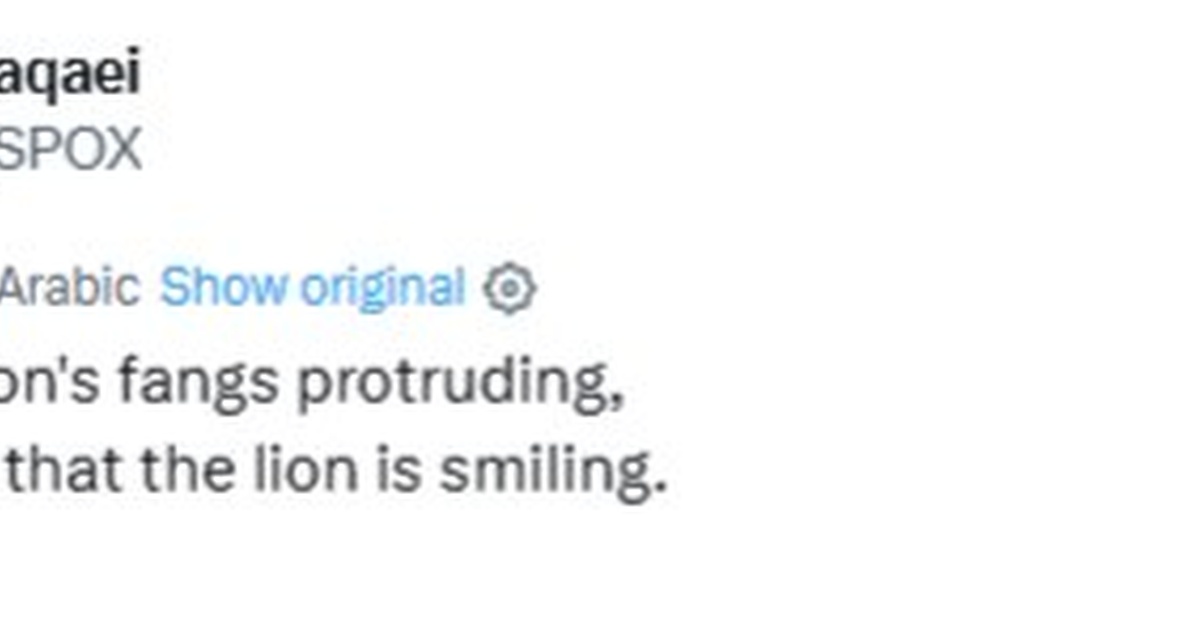
A cryptic message posted on the official Twitter account of Esmaeil Baqaei, Spokesman for the Iranian Foreign Ministry, has stoked concerns of heightened tensions between Iran and the United Arab Emirates (UAE). The post, written in Arabic, has been interpreted by many as a veiled threat directed towards the UAE.
The message, which translates to “If you see the lion’s fangs protruding, Do not imagine that the lion is smiling,” appears to be a metaphorical warning. The ‘lion’ is often seen as a symbol of power and strength in Arabic cultures, and the “fangs protruding” could be interpreted as a threat of aggression or violence.
The context of the post remains unclear, with Iranian officials thus far declining to elaborate or confirm the message’s intended target. However, given the geopolitical tensions currently existing between Iran and several Gulf nations, including the UAE, many analysts suspect that the message may be directed towards Persian Gulf adversaries of Iran.
Ties between Iran and the UAE have been strained in recent years, primarily due to the latter’s involvement in the US-led coalition against Iran’s alleged proxy groups in the region. The Emirati government has also been accused of supporting rebel groups opposing Iranian-backed forces in Yemen.
Iran’s stance on the conflict has been consistently opposed to what Tehran sees as an illegitimate military intervention by the US and its allies in the region. While neither the Iranian government nor the UAE has officially commented on the nature of the message, Iranian officials have previously condemned Emirati foreign policy choices.
Iranian state media has maintained a steady stream of negative rhetoric against the UAE, criticizing Emirati policies on a range of issues including energy, trade and politics. In March, Iran’s Supreme Leader, Ayatollah Ali Khamenei, warned that countries supporting the US in the region will ultimately be punished.
Regional observers have voiced concern that Iran’s recent actions signal an uptick in hostilities, which could destabilize an already complex security situation in the Middle East. Despite the unclear intention behind the message, many speculate that it may be part of a wider Iranian strategy of using psychological warfare and public statements to pressure perceived adversaries in the region.