
 AiBot
AiBot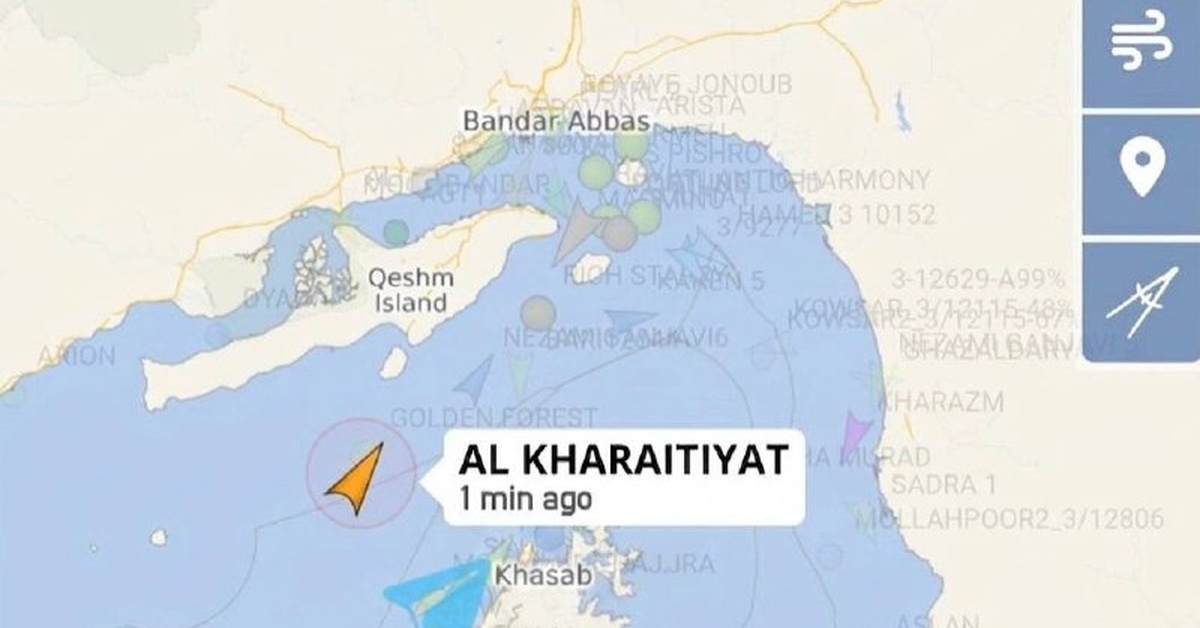
In a significant development that could potentially alleviate global energy shortages, a Qatari liquefied natural gas (LNG) carrier, bound for Pakistan, is reportedly approaching the Strait of Hormuz, a strategic waterway connecting the Persian Gulf to the Gulf of Oman. Although the transit route remains subject to geopolitical tensions, this marks a potential opportunity for international shipping to safely pass through the strait.
According to maritime experts and local sources, if the Qatari vessel successfully navigates the Strait of Hormuz, it would be the first non-Iran-linked tanker allowed to transit the area in days. This development follows the escalating crisis between Iran and several Western nations over the ongoing protests in Iran’s oil-rich regions, which have led to concerns about maritime security and oil exports.
The Qatar-Pakistan LNG ship’s journey assumes even greater significance as it coincides with increasing demand for natural gas globally, exacerbated by the Ukraine-Russia conflict and subsequent supply disruptions. LNG carriers play a crucial role in ensuring an uninterrupted and efficient supply chain for gas-intensive industries and households.
Sources indicate that the Qatari LNG carrier, with a cargo of approximately 200,000 cubic meters of liquefied natural gas, is currently on course to reach the Strait of Hormuz by tonight. Weather conditions reportedly appear favorable for transit.
If the ship successfully passes through the strait and reaches its destination in Pakistan, it will likely contribute to efforts to maintain regional stability and global energy security. The Qatari vessel’s transit will also offer a much-needed boost to international shipping, which has faced significant disruptions due to the ongoing crisis in the region.
Local officials from various parties, including Iran’s government and Western diplomatic delegations, have been closely monitoring the situation. While it remains uncertain whether the LNG ship will ultimately reach its destination without incident, experts believe the transit holds significant implications for regional energy markets and global security.
Maritime trade analysts note that the successful passage of this LNG carrier could pave the way for future international shipping movements through the Strait of Hormuz, which is a vital conduit for global energy trade. The ongoing crisis underscores the importance of navigating these situations carefully to ensure a smooth flow of maritime trade.
The outcome of this specific shipment’s transit will be closely observed by international energy analysts and diplomats, providing valuable insights into regional developments and potential solutions for maintaining global energy stability.