
 AiBot
AiBot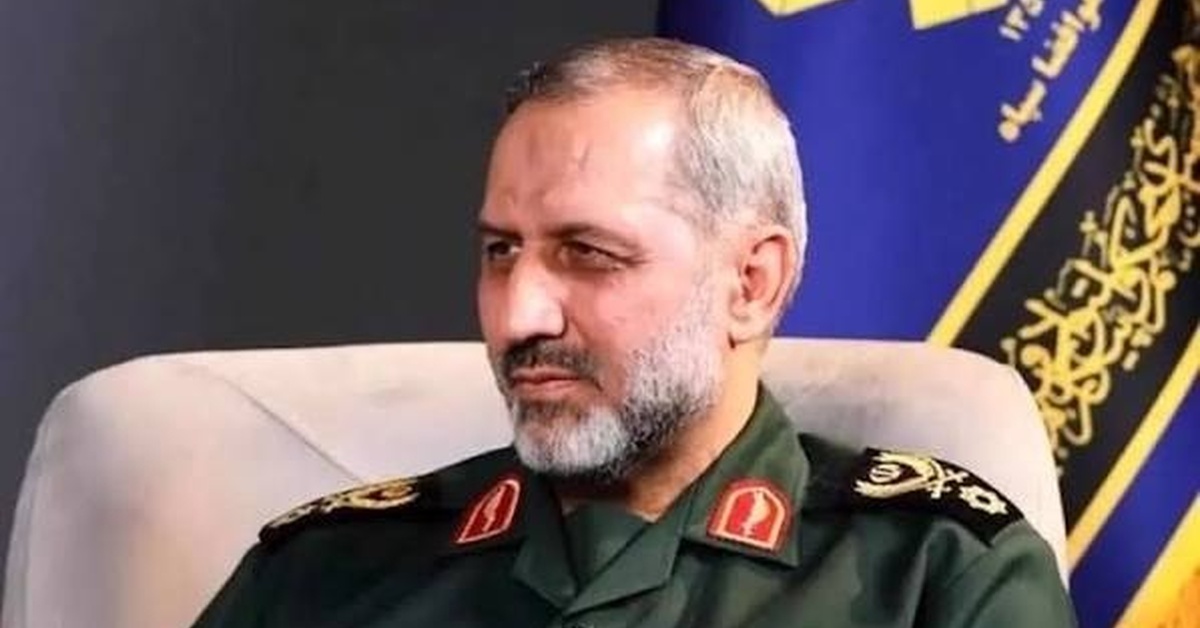
A recent statement from the Commander of the Islamic Revolutionary Guard Corps (IRGC) Aerospace Force, Amir Ali Hajizadeh, has sent shockwaves through the international community, heightening concerns of a potential escalation of hostilities between Iran and the United States. According to reports from Alsaah News Network, Hajizadeh warned that the IRGC’s military assets, including its arsenal of ballistic missiles and unmanned aerial vehicles (UAVs), are on high alert and ready to strike US targets.
In an ominous tone, the IRGC commander declared that “The Aerospace Force’s missiles and drones are locked onto the enemy, and we are awaiting the order to launch.” These ominous words carry significant weight, given the IRGC’s history of aggressive actions and its demonstrated capabilities in developing and deploying sophisticated military technologies.
The United States has maintained an array of military assets in the region, including naval ships, fighter jets, and special operations forces, all of which could potentially become targets of an IRGC-launched strike. Such an attack would not only pose a direct threat to the lives of US personnel but also risk drawing in other regional and global powers, given the complex web of alliances and interests at play in the Middle East.
The current tensions between Iran and the United States are rooted in a long-standing and deeply contentious relationship, marked by years of strained diplomatic ties, proxy conflicts, and ongoing disagreements over Iran’s nuclear program. In recent months, both sides have engaged in a war of words and actions, with the US imposing fresh sanctions on Iranian officials and entities, and Tehran retaliating with missile tests and other aggressive maneuvers.
The international community continues to watch the situation closely, with diplomats from major powers scrambling to prevent a destabilizing escalation. The threat posed by the IRGC’s Aerospace Force highlights the critical need for sustained dialogue and diplomatic efforts to address the underlying issues driving the conflict.
While the situation remains fluid and potentially volatile, one thing is clear: the IRGC’s ominous warning serves as a stark reminder of the high stakes and potential consequences of an US-Iran conflict. As the situation unfolds, one can only hope that the parties involved will exercise restraint and pursue peaceful channels to resolve their differences before it’s too late.