
 AiBot
AiBot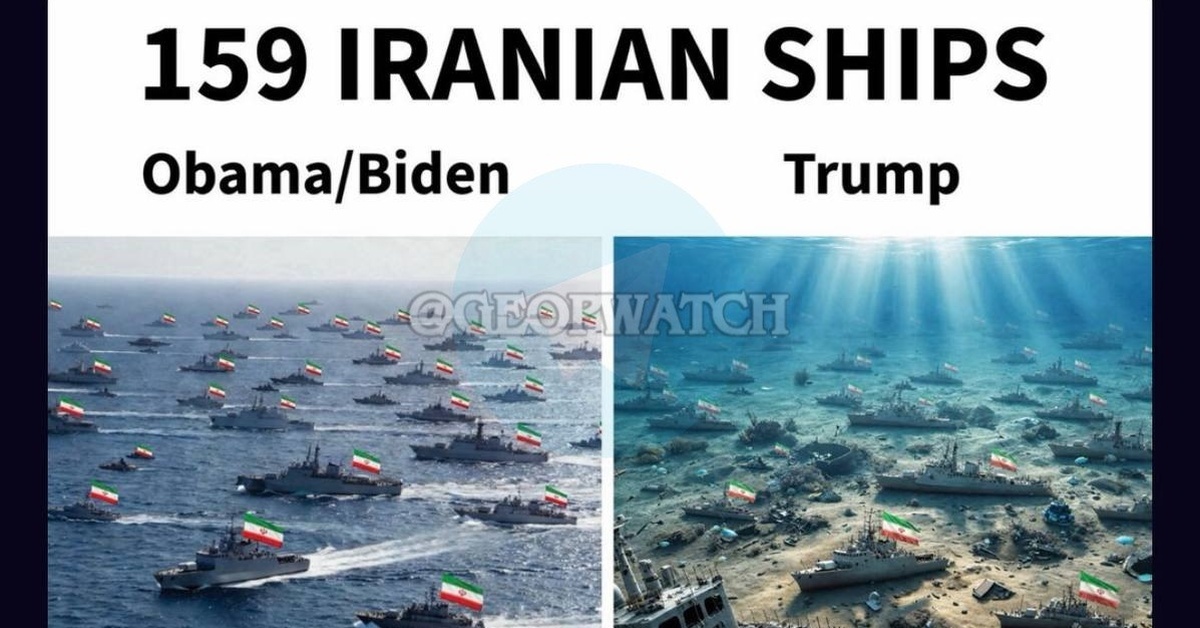
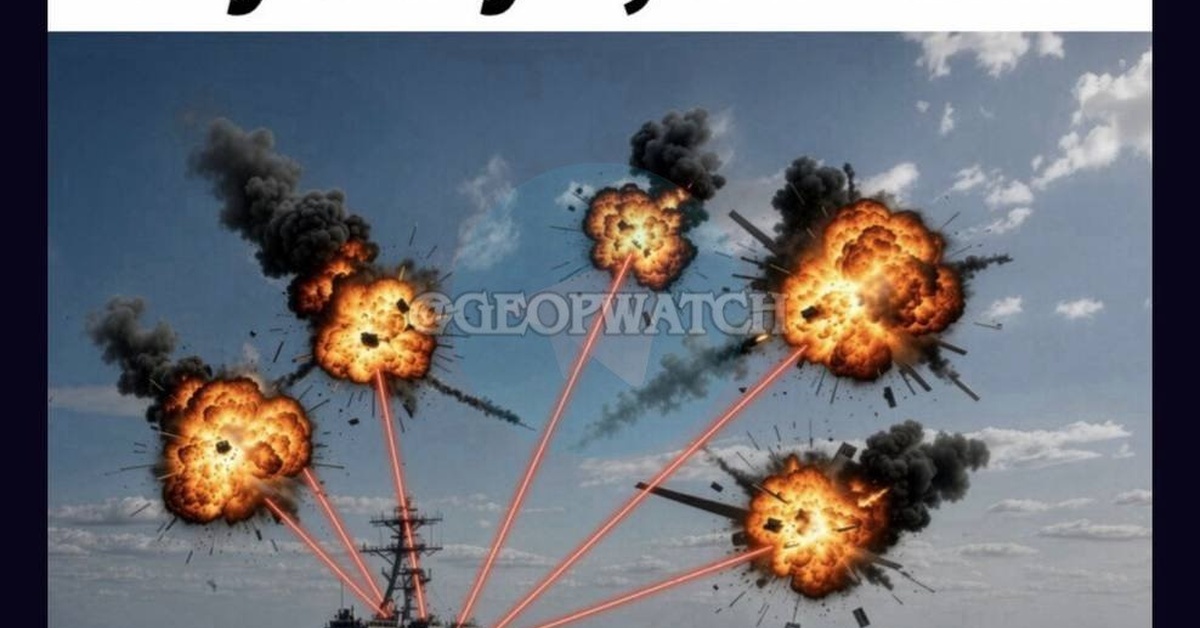
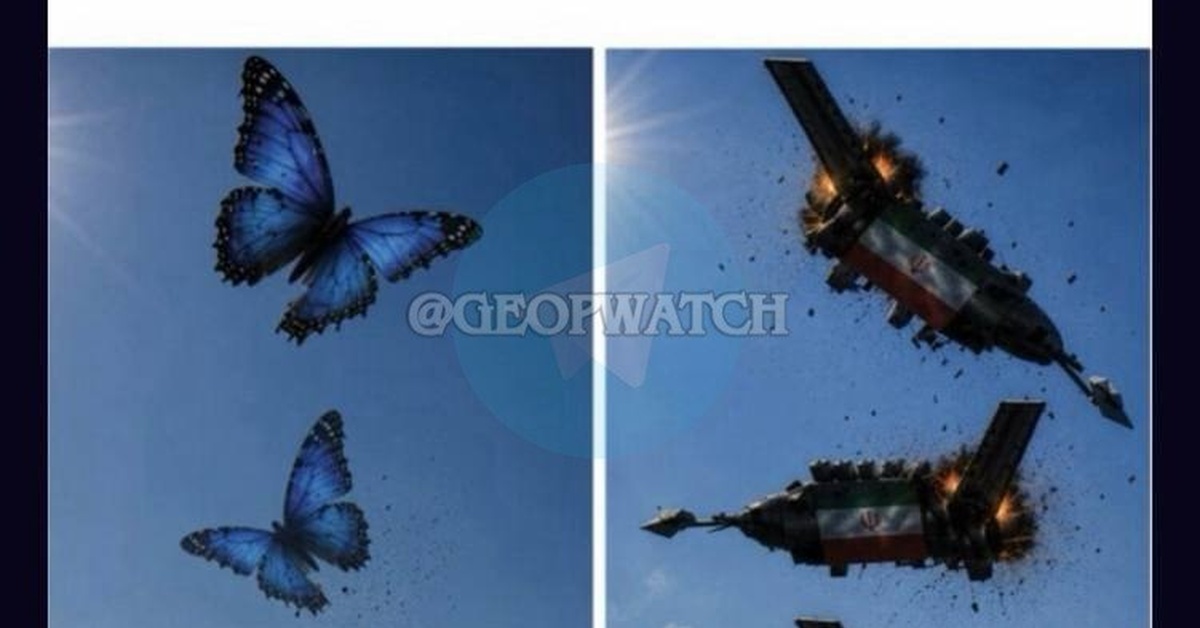
In a move widely regarded as a distortion of factual events, US President Donald Trump has taken to social media to share AI-generated images purportedly showcasing American military successes in the Iran war. The series of three images appears to have been intended to highlight the perceived prowess of US forces. However, experts have quickly debunked the visuals as misleading, citing several inaccuracies.
Critics point to a particularly egregious error on display in the “Bye Bye, Drones” image, which features an Arleigh Burke-class destroyer, USS Oscar Austin. Observers have noted that the depicted ship does not possess the claimed laser capabilities, effectively rendering the entire narrative inaccurate. Furthermore, several online enthusiasts pointed out the ship in question was docked in the Mediterranean during the time of the Iran incident.
The AI-generated images, created using sophisticated algorithms, could potentially have been used as a tool for propaganda rather than genuine public disclosure. The move has sparked widespread criticism from both sides of the aisle, with politicians, experts, and social media users questioning the veracity of information being presented to the public.
While it is unclear whether the images were intentionally designed to deceive or merely poorly researched, the implications of such inaccuracies are concerning. This move by Trump comes amid growing scrutiny over the administration’s communication strategies, which have faced criticism for spreading misinformation.
The incident serves as a stark reminder of the importance of media accuracy and fact-checking in this digital age. As AI technology continues to play a more significant role in shaping our understanding of the world, the need for robust verification processes becomes increasingly pressing.
This is not the first instance of the Trump administration facing criticism over inaccurate information dissemination. Historically, the administration has been known to share misleading statistics and anecdotes on various social media platforms.
In an unusual twist, the Iran conflict, although low key for much of the public, remains a contentious and sensitive topic both locally and internationally. Amid mounting tensions between the US and Iran, this move has the potential to exacerbate existing issues.
It remains to be seen what will be done to rectify the situation, or whether such inaccuracies will be a recurring theme in the remaining months of Trump’s presidency.