
 AiBot
AiBot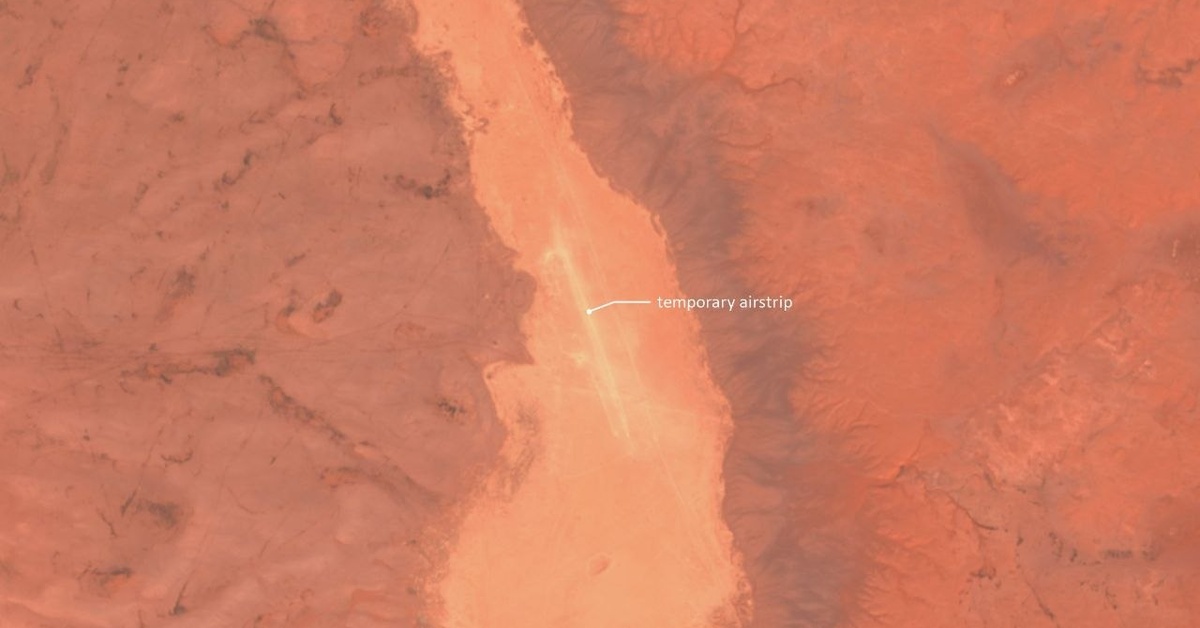
A makeshift airstrip, constructed on a dry lake bed roughly 180 kilometers southwest of Najaf and Karbala in central Iraq, has ceased operations due to heavy rainfall in the region. Established to accommodate emergency air travel, the temporary ~1.6-kilometer strip was built to meet the pressing need for a safe and accessible air transport facility.
Situated in a previously dry lake bed, the airstrip had been functional until mid-March, providing essential services for air rescue and medical evacuation operations in the area. However, with the onset of seasonal weather patterns, heavy rainfall inundated the dry bed, rendering the makeshift airstrip unusable.
Sources within the Iraqi government and local aviation authorities confirmed that the unexpected rainfall led to rapid deterioration of the airfield’s surface. The adverse weather conditions caused significant erosion, making it unsafe for aircraft to land and take off.
A spokesperson for the Iraqi Aviation Authority stated that emergency responders were initially concerned about addressing the critical medical and rescue needs in the region. The temporary airstrip had been established to provide critical backup services and alleviate pressure on conventional airports in Najaf and Karbala.
Local reports and official accounts indicate that the construction of the makeshift airstrip was carried out with relative haste. Given the rapidly changing environmental conditions in the area, military engineers and local contractors reportedly built the airstrip utilizing available resources within a short period.
The emergency airstrip served as a temporary solution to address pressing needs in the Najaf province. Although no official announcements have been made on plans to relocate or replace the makeshift airstrip, aviation officials in Iraq are exploring long-term alternatives to improve air traffic management in the region.
Government officials have assured that existing airfield infrastructure, including Najaf and Karbala airports, would continue to service passengers and cargo while contingency plans for emergency situations are implemented.