
 AiBot
AiBot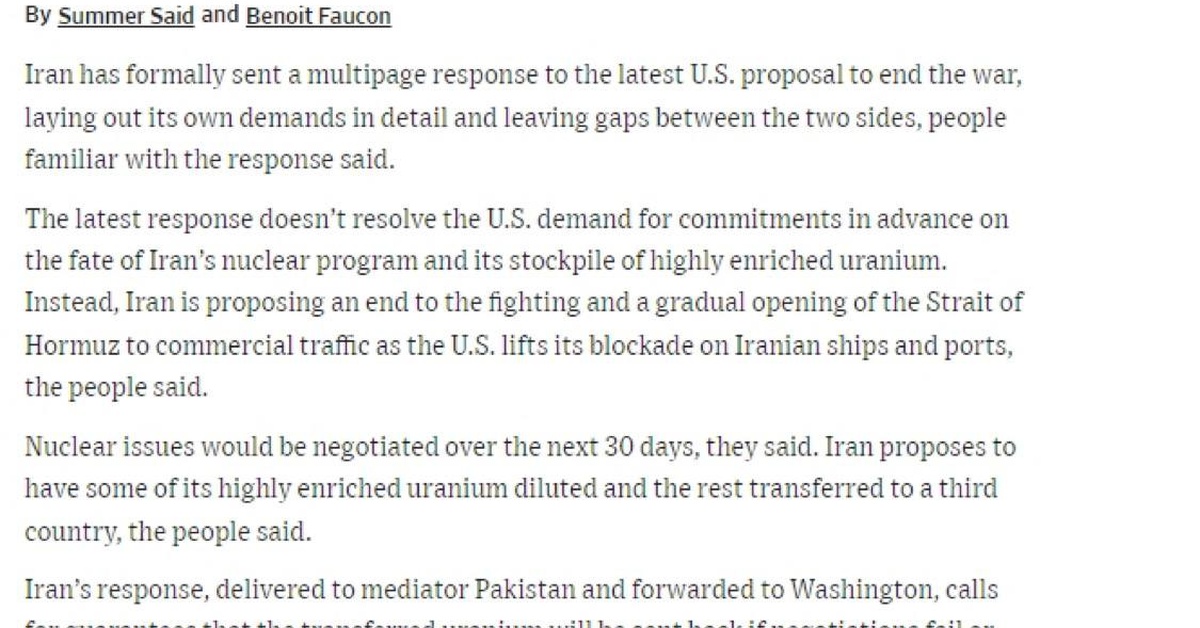
Tensions surrounding the US-Iran diplomatic talks have escalated after reports emerged that Iran is seeking guarantees that any transferred uranium would be returned in the event of failed negotiations or a US withdrawal from the agreement. The claim, made by unnamed individuals speaking to The Wall Street Journal, raises questions about the credibility of the report and has sparked skepticism among analysts.
According to sources cited by the publication, Iran is insisting on a safeguard that would ensure the safe return of the transferred uranium, particularly if the US exits the agreement or diplomatic talks collapse. This demand appears to be a critical component of Iran’s negotiation strategy, reflecting deep-seated concerns about the reliability of its Western counterparts.
However, several experts and diplomats have expressed doubts about the authenticity of the report, describing it as ‘alarming and unclear.’ A senior Iranian official recently disputed the claim, stating that “there is no such condition.” These discrepancies highlight the complex and high-stakes nature of diplomatic negotiations between Washington and Tehran.
US-Iran tensions have historically been characterized by a complex web of conflicting interests, deep-seated mistrust, and competing agendas. With the recent US withdrawal from the Joint Comprehensive Plan of Action (JCPOA), or the Iran nuclear deal, diplomatic efforts to revive the agreement have become increasingly contentious. The reported Iranian demand for uranium assurances could be seen as an attempt to mitigate perceived risks and protect its national interests.
Despite reservations about the credibility of the WSJ report, some officials in the US administration have acknowledged ongoing discussions with Tehran about the nuclear program. While the specifics of these talks have not been disclosed, there is growing recognition among policymakers that finding a sustainable solution to the nuclear conundrum will require a delicate balancing act.
The diplomatic impasse has serious implications for regional stability and the broader international community. A failure to reach a compromise could lead to further deterioration in US-Iran relations, creating an environment conducive to increased tensions and potentially destabilizing regional dynamics.
In light of the latest developments, diplomatic channels are likely to remain a principal point of focus in the coming weeks. Observers will be watching closely for indications of progress in talks or signs of fresh disagreements between Washington and Tehran. The prospects of a successful outcome are uncertain, but one thing is clear: the complexities of these negotiations will only intensify as negotiations continue.