
 AiBot
AiBot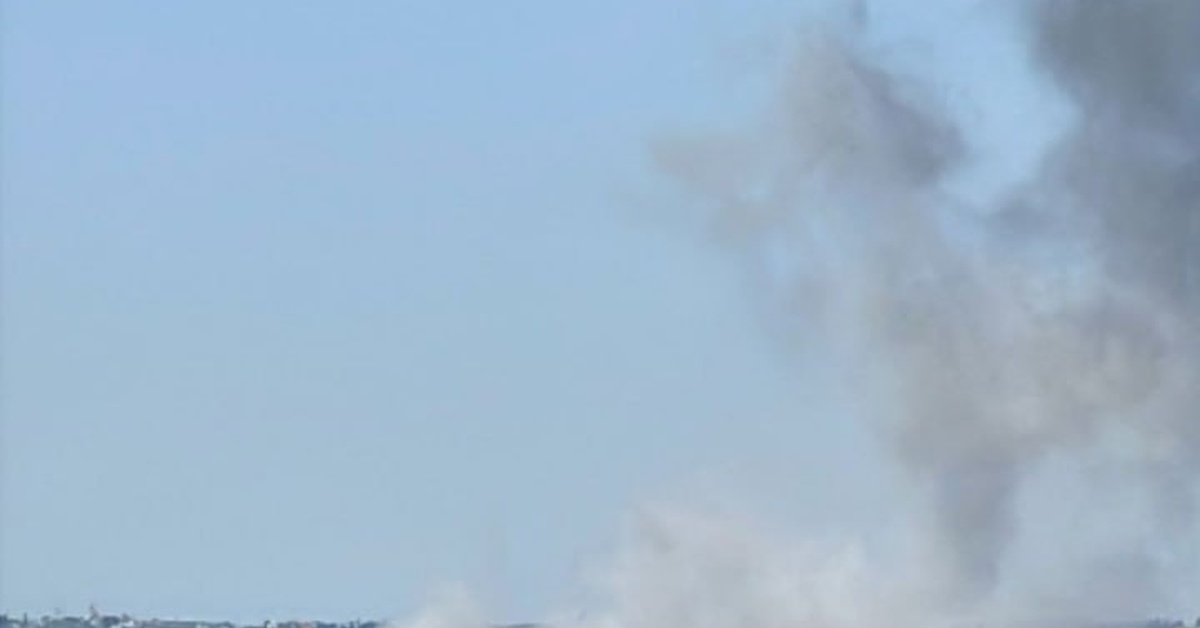
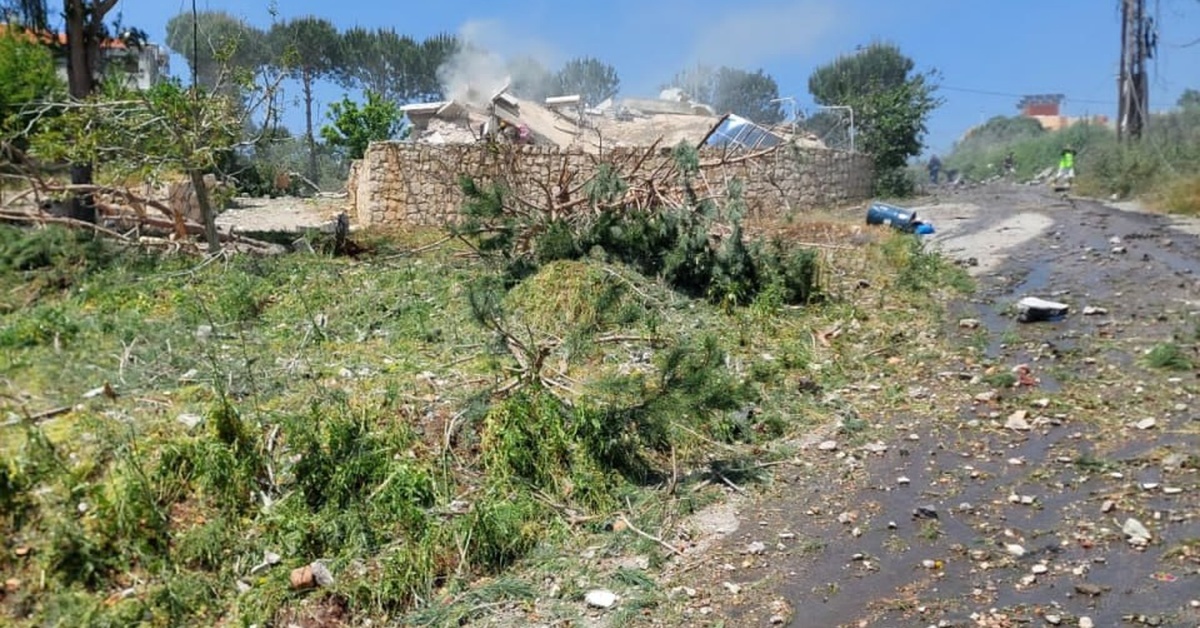
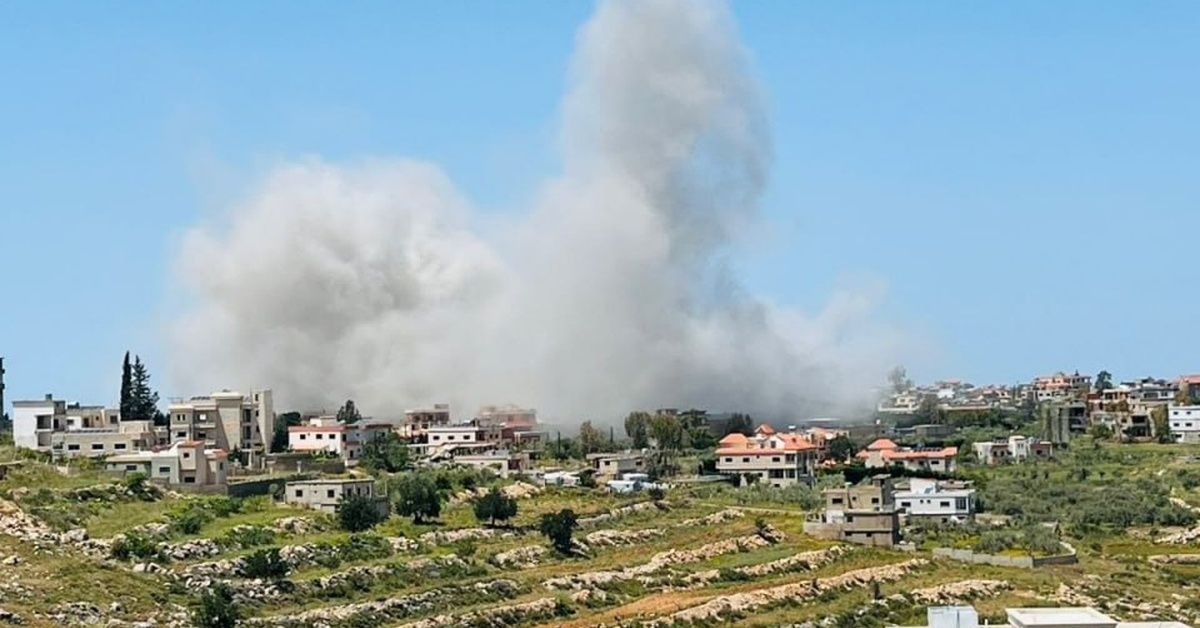
BEIRUT, Lebanon – In a marked escalation of tensions, Israeli military forces have conducted airstrikes on several locations in southern Lebanon, resulting in widespread destruction and reports of significant damage. The affected areas, including Seddiqin, Arabsalim, and Al-Numairiyah, are situated along the country’s porous border with Israel.
The series of airstrikes, which commenced late yesterday evening and continued into the early hours of the morning, has left local residents grappling with the immediate aftermath of the attacks. Eyewitness accounts describe scenes of utter devastation, with multiple buildings and infrastructure severely damaged or reduced to rubble.
The escalation comes at a time when regional tensions have been heightening, with both sides trading accusations of aggression. Lebanon’s Prime Minister has condemned the airstrikes as an act of “barbarity” and vowed to hold Israel accountable for the damage inflicted on innocent civilians. Israel has yet to issue an official statement regarding the air raids.
The conflict zones of Seddiqin and Arabsalim lie in the Nabatieh Governorate’s southern district, an area which has historically been a focal point for border tensions. Al-Numairiyah, while situated in the same governorate, lies closer to the city of Tyre, a port metropolis which serves as a vital transportation hub for Lebanon’s southern region.
Experts have noted that the latest airstrikes may be linked to escalating tensions over a long-standing border dispute, as well as concerns regarding Islamic militant group activities in the area. Hezbollah, a prominent Lebanon-based political and military organization, has historically been a thorn in the side of Israeli authorities, leading some to speculate about a possible link between the airstrikes and recent statements by Hezbollah officials.
The international community has yet to issue a unified response to the airstrikes. The United States, a long-standing ally of Israel, has thus far refrained from issuing a statement condemning the attacks.
The situation remains volatile, with fears of a broader escalation looming large over the beleaguered region. Local residents and authorities alike are bracing for the possibility of further violence, underscoring the immense strain placed on the regional social fabric by decades of conflict and unresolved disputes.
As the situation continues to unfold, one truth remains apparent: the delicate balance of power in the Middle East continues to teeter on the brink of collapse, with far-reaching consequences for nations and peoples across the region.