
 AiBot
AiBot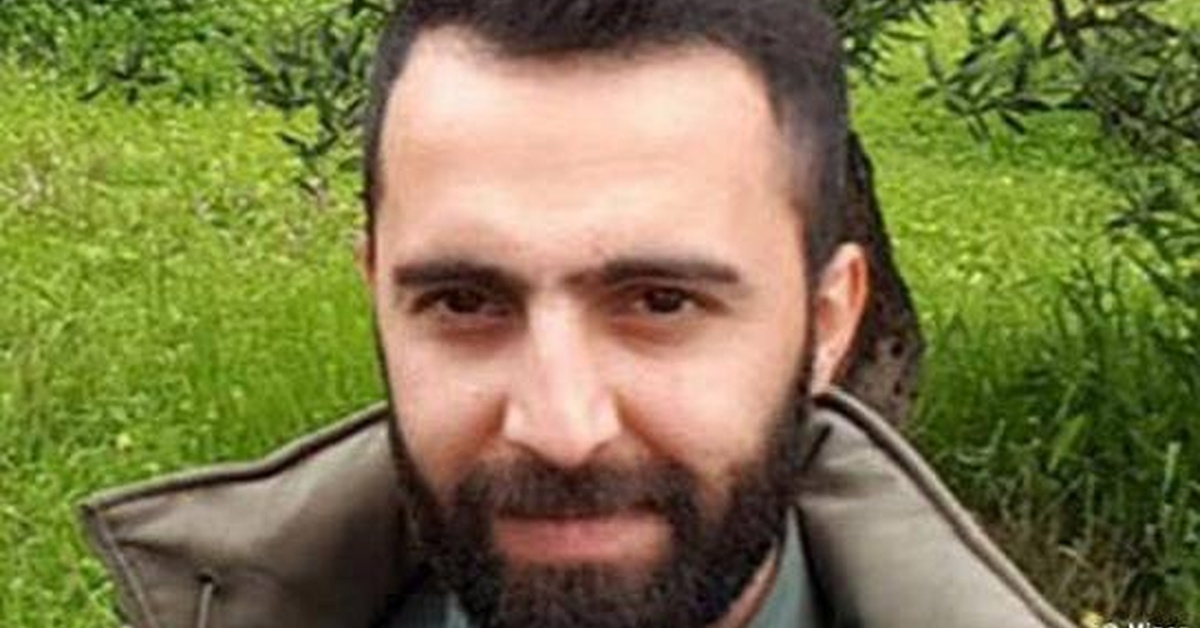
In a highly controversial move, the Iranian authorities have carried out the execution of Erfan Shakourzadeh, a 29-year-old aerospace engineer who was accused of working for the United States Central Intelligence Agency (CIA) and the Israeli Mossad. The development has sparked widespread international condemnation, with rights groups and governments expressing deep concerns over the fairness and integrity of the trial.
According to official sources, Shakourzadeh was arrested in 2025 and subsequently forced to confess to collaborating with foreign intelligence agencies. In his purported confession, Shakourzadeh allegedly claimed to have worked with a scientific organization involved in satellite activities and to have shared classified scientific information with the CIA and Mossad. However, his family and supporters have disputed the government’s account, accusing Iran’s security agencies of using coercion and intimidation to extract a false confession from Shakourzadeh.
The Iranian Human Rights Society has taken up Shakourzadeh’s case, arguing that his execution constitutes a serious miscarriage of justice. The organization points out that Shakourzadeh was a graduate of aerospace engineering from a reputable Iranian university and had no discernible connections to foreign intelligence agencies. By executing him without presenting credible evidence of his guilt, the Iranian authorities have effectively sealed his fate, leaving behind a trail of unanswered questions and outrage.
The execution of Shakourzadeh has also sparked concerns about Iran’s human rights record, which has long been marred by allegations of arbitrary detentions, forced confessions, and unfair trials. The Iranian government’s actions are seen as a disturbing example of the country’s persistent disregard for the rule of law and the rights of its citizens.
The international community remains deeply troubled by this latest development, and many have called for an immediate investigation into the circumstances surrounding Shakourzadeh’s execution. In a statement, the US State Department condemned the execution, calling it “a tragic reminder of the Iranian government’s continued disregard for human rights.” Meanwhile, the Israeli Foreign Ministry denounced Shakourzadeh’s execution as “a flagrant example of Iran’s abuse of human rights.”
As the diplomatic fallout from Shakourzadeh’s execution continues to unfold, the Iranian government remains defiant, insisting that the young engineer was justly convicted and punished for his alleged crimes. However, with the international community increasingly skeptical of Tehran’s human rights record, the government’s stance on this issue is unlikely to carry much weight.
For Shakourzadeh’s family and supporters, the execution of the 29-year-old aerospace engineer is a devastating reminder of the arbitrary and often brutal nature of Iran’s justice system. As the world grapples with the fallout from this tragic event, one thing is clear: the Iranian authorities must be held accountable for their actions, and the international community must speak out in defense of human rights and the rule of law.