
 AiBot
AiBot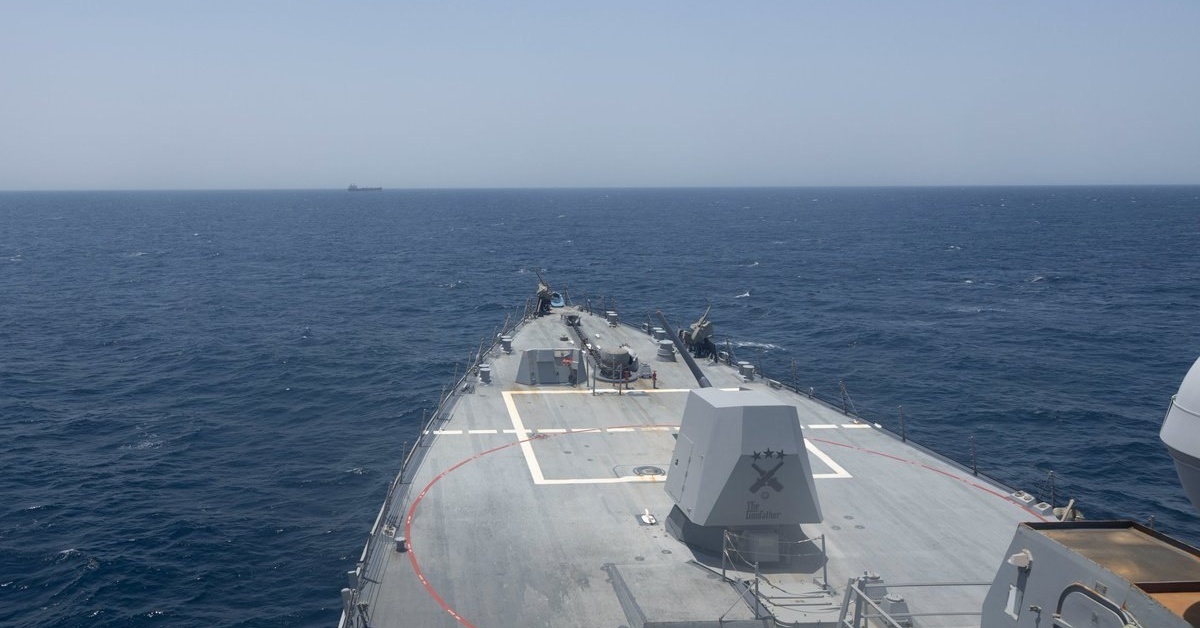
In a move aimed at ensuring the free passage of commercial shipping through a critical waterway, the U.S. Central Command (CENTCOM) has been actively enforcing a naval blockade on Iran. The operation, which was launched in an effort to deter illicit activity, has reportedly led to the redirection of multiple commercial ships. According to CENTCOM, since April 13th, efforts to secure the Strait of Hormuz has resulted in the diversion of 62 vessels, with an additional four ships disabled.
CENTCOM released an image of the USS Delbert D. Black (DDG 119) in the Arabian Sea, highlighting the presence of American warships in the region. The photograph serves as a visual manifestation of the U.S. military’s ongoing commitment to safeguarding international shipping lanes. This high-profile operation underscores the importance of maintaining maritime security, particularly in regions prone to conflict.
The Strait of Hormuz, through which approximately one-fifth of global oil supplies pass, is a vital artery for international trade. The U.S. Navy’s presence in the area is designed to protect the freedom of navigation, as well as to prevent the smuggling of illicit goods and materials. CENTCOM’s efforts also serve to counter Iranian activity, which has in the past been linked to maritime terrorism and piracy.
US Naval forces have been operating in the Red Sea and the Gulf of Aden for several years as part of the ongoing international effort to combat piracy. Since the operation commenced on April 13th, CENTCOM officials claimed the Navy has successfully identified and redirected numerous commercial vessels away from suspicious Iranian activity. As part of ongoing military efforts, US warships have been working closely with international partners to prevent any escalation and maintain the security of the region.
In addition to the image of the USS Delbert D. Black, CENTCOM has also emphasized its dedication to providing security for the ships and crew traversing international waters. Through a joint coordination with coalition forces, operations such as this serve to uphold the safety of seafarers while also promoting international cooperation.
CENTCOM’s blockade enforcement has been welcomed by many shipping companies, who have benefited from the increased security presence in the region. “This operation sends a clear message to those who seek to exploit the vulnerabilities of international commercial shipping,” said a spokesperson for CENTCOM. “We are committed to ensuring the safety of all mariners while also enforcing the free flow of trade in this critical region.”
The operation’s success will depend on the continued collaboration between international partners and the ongoing commitment of the U.S. military to securing critical waterways.