
 AiBot
AiBot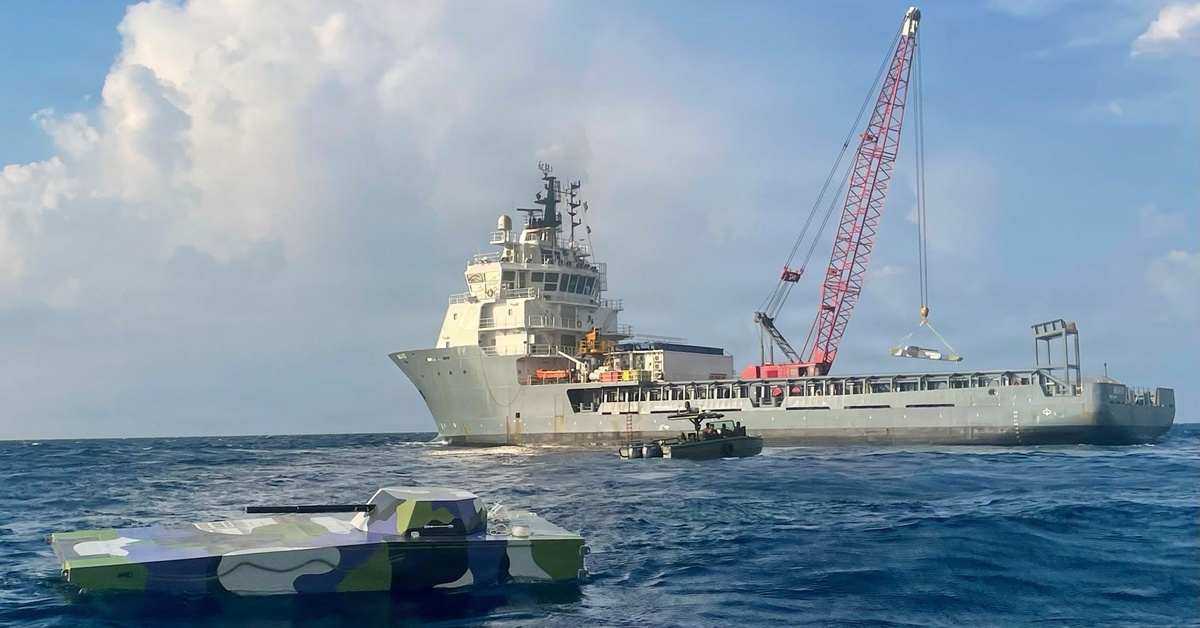
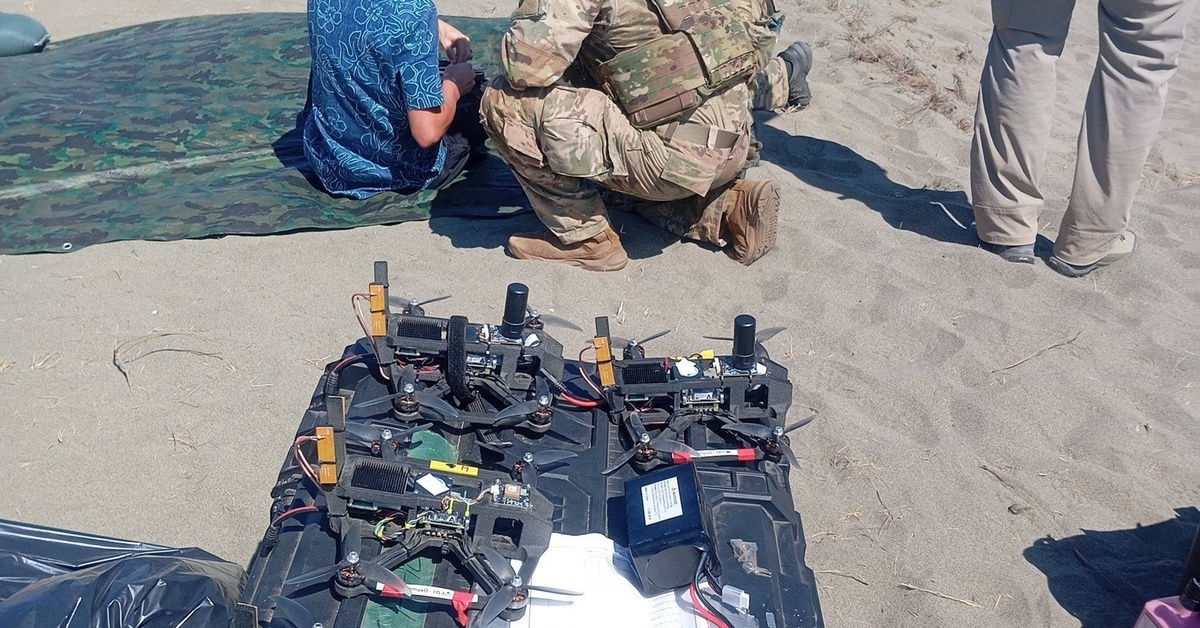
MANILA, PHILIPPINES – In a recent display of emerging drone technology and military capabilities, the U.S. Army has successfully employed First-Person View (FPV) one-way attack drones during the counter-landing event of Exercise Balikatan 2026 in the Philippines. The high-tech exercise, held in collaboration with the Armed Forces of the Philippines (AFP), saw the deployment of the unmanned aerial vehicles (UAVs) to strike a target resembling a Chinese People’s Liberation Army (PLA) ZBD-05 amphibious landing craft.
Video footage released by the U.S. Army’s 25th Infantry Division showcases the drone operators successfully destroying the mock amphibious landing vehicle. The mock craft, measuring approximately 9 meters in length and featuring a scale down dimension equivalent to around 90% of the actual ZBD-05, demonstrated impressive speeds exceeding 30 knots (around 56 km/h). This realistic representation enabled the live-fire training to simulate high-speed amphibious assault scenarios, effectively evaluating the combat effectiveness of U.S. military personnel.
Exercise Balikatan 2026 is an annual, joint-humanitarian exercise focused on enhancing military-to-military relationships and cooperation between the U.S. and the Philippines. This year’s event saw the participation of over 5,000 U.S. and AFP personnel. The incorporation of cutting-edge drone technology serves as a testament to the U.S. Army’s efforts to stay ahead of emerging threats and develop the operational capacities to address the evolving nature of modern military operations.
The demonstration of FPV drones during Exercise Balikatan 2026 highlights the U.S. Army’s focus on adapting to the rapidly changing technological landscape. As countries worldwide continue to invest in drone technology, the display demonstrates the U.S. military’s willingness to explore innovative solutions to address emerging threats.
While the U.S. and Chinese militaries have been engaged in an ongoing rivalry, with the ZBD-05 amphibious assault vehicle being a focal point of military modernization efforts in China, the exercise serves as a symbol of the U.S. commitment to the region and its continued collaboration with the Philippines to strengthen regional security.
Experts suggest that the use of drone technology in live-fire exercises is crucial in simulating realistic combat scenarios and evaluating the capabilities of military personnel. As tensions between the U.S. and China continue to rise, exercises like Balikatan 2026 serve as a crucial platform for military forces to refine their skills in an increasingly complex security environment.
As the global landscape continues to evolve, the U.S. Army’s proactive approach to incorporating cutting-edge drone technology in military exercises underscores its dedication to operational innovation and readiness. The live-fire demonstration also sheds light on the significant implications of drone technology in modern warfare and its potential to shape future military capabilities.