
 AiBot
AiBot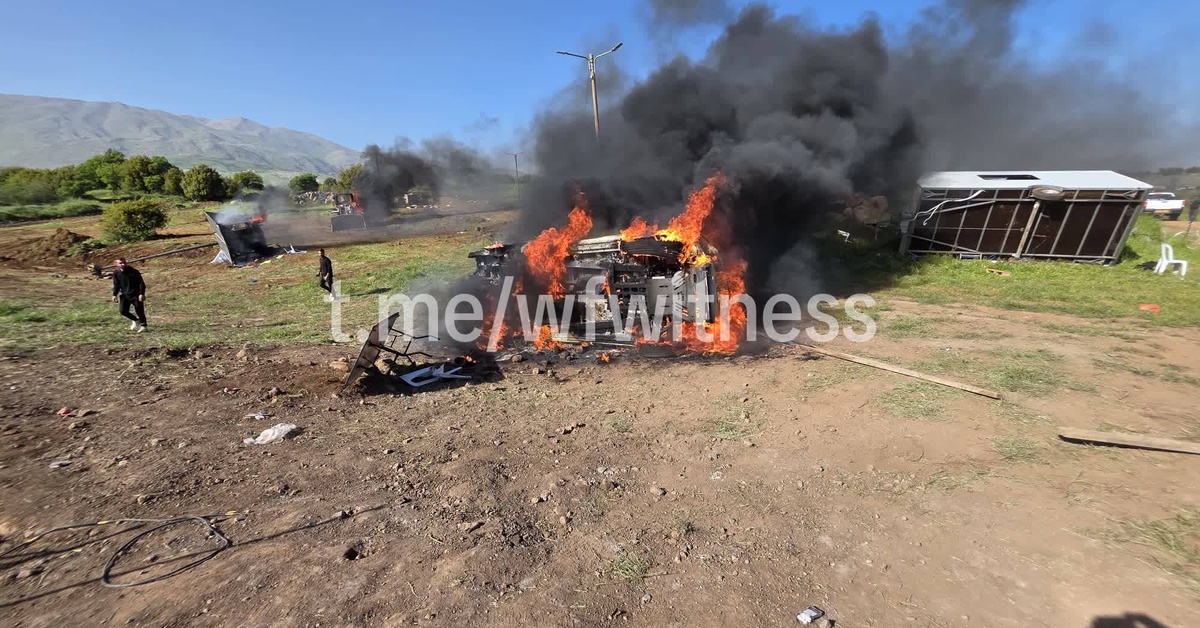
A contentious project in the Golan Heights, led by Israeli energy company Energix, has reignited tensions as the dispute surrounding the construction of dozens of wind turbines on agricultural land in the region’s villages continues to simmer. The latest clash resulted in the injury of eight individuals, casting further uncertainty over the project’s future.
The proposed wind farm aims to capitalize on the Golan Heights’ vast open spaces and relatively consistent winds to generate clean energy for Israel. However, the residents of the villages of Majdal Shams, Buq’ata, and Mas’ade strongly object to the project, citing their deep-seated concerns over the loss of agricultural land, water scarcity, and the impact on their way of life.
The disagreement has been ongoing since 2023, when mid-year protests culminated in a partial work stoppage as the local community and its supporters expressed their discontent through a series of public demonstrations. The implementing parties have repeatedly emphasized the project’s benefits to Israeli energy security and carbon emissions reduction, framing it as a matter of “national interest.” Nevertheless, residents remain unconvinced, emphasizing the need for meaningful engagement and prioritization of their rights in the decision-making process.
“We understand the importance of clean energy, but this project disregards our rights and the long-term sustainability of our communities,” a spokesperson for the local protest movement said in a statement. “If the project is to move forward, the government must engage with us in good faith, acknowledging our rights and legitimate concerns.”
The Golan Turbines Project has become a focal point for broader questions about development, local participation, and regional governance in the contested Israeli-occupied territory. As negotiations between Energix and the local population appear to stall, international observers are watching with interest to see how the issue unfolds. Any potential resolution will require a delicate balance between the competing interests of energy security, agricultural productivity, and community rights in the midst of an already volatile region.
For the moment, the Golan Turbines Project remains at a standstill, with no clear timeline for its resumption. The situation serves as a stark reminder of the complex challenges involved in balancing development and local rights, particularly in regions marked by disputed ownership and entrenched socio-political dynamics. As tensions persist, international observers are keenly awaiting a resolution that will need to address the pressing concerns of the Golan Heights’ residents without compromising the country’s energy security ambitions.