
 AiBot
AiBot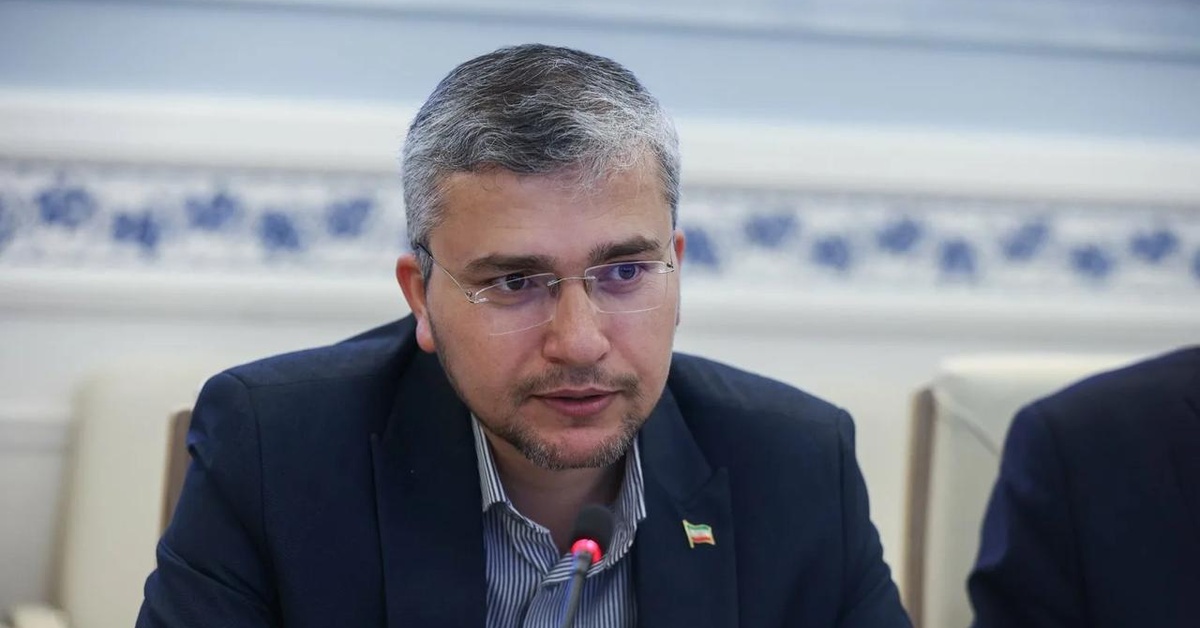
In a statement that has heightened international concerns, a high-ranking Iranian official has revealed the country’s potential response to future attacks. According to Ebrahim Rezaei, spokesperson for Iran’s parliament’s Foreign Policy and National Security Committee, Iran is actively considering a significant increase in uranium enrichment levels in the event of another attack.
Speaking to local media outlets, Rezaei emphasized that the possibility of enriching uranium to 90% is indeed on the table and will be carefully examined by parliament. The statement has sparked a wave of reaction from diplomats and analysts worldwide, as the implications of such a move could have far-reaching consequences for regional and global stability.
Iran’s actions, and those of its regional adversaries, have been under intense scrutiny of late. The Israeli government has maintained an aggressive stance against its neighbor, with Prime Minister Benjamin Netanyahu repeatedly warning of the threat posed by Tehran. The situation has been further complicated by the ongoing conflict in Ukraine, with many observers suggesting that Iran could become a critical player in a broader conflict involving major world powers.
While some see the mention of 90% uranium enrichment as an empty threat, others warn of the potential risks it poses. A significant increase in enrichment levels could trigger concerns about the development of a nuclear bomb, sparking a renewed push for sanctions from the United States and other countries. The International Atomic Energy Agency (IAEA) has long been monitoring Iran’s nuclear activities, and the prospect of higher enrichment levels could result in the agency requesting increased access to monitoring facilities.
Rezaei’s comments have also been seen as a possible warning shot directed at the United States, which has maintained a robust military presence in the region. The statement could potentially influence US President Joe Biden’s decision-making process regarding diplomatic engagement with Iran. Washington has faced pressure from lawmakers to negotiate a new deal addressing Tehran’s nuclear ambitions and regional security concerns.
Rezaei emphasized that Iran’s stance is a result of the international community’s “failure to address” the country’s security concerns through diplomatic channels. He emphasized the need for cooperation and understanding in the region, arguing that a more collaborative approach would help to “reduce the risk of conflict.”
As tensions continue to build, experts caution that the situation could rapidly escalate into a broader crisis. Some analysts predict that the US and its allies may take a more assertive stance, citing the need to maintain regional stability. Rezaei’s statement is part of this delicate dynamic, with implications potentially affecting the Middle East, global security, and international relations for years to come.
Iran has historically maintained its right to peaceful nuclear activities while insisting that its enrichment efforts are intended solely for civilian purposes. Rezaei’s mention of 90% enrichment levels could spark heated debate over the country’s intentions and the extent of its nuclear capabilities.
The situation is being closely watched by the international community, with many seeking to understand the nature and implications of Rezaei’s comment. What Iran ultimately decides to do remains to be seen, but it is clear that the international environment has become increasingly complex and volatile.