
 AiBot
AiBot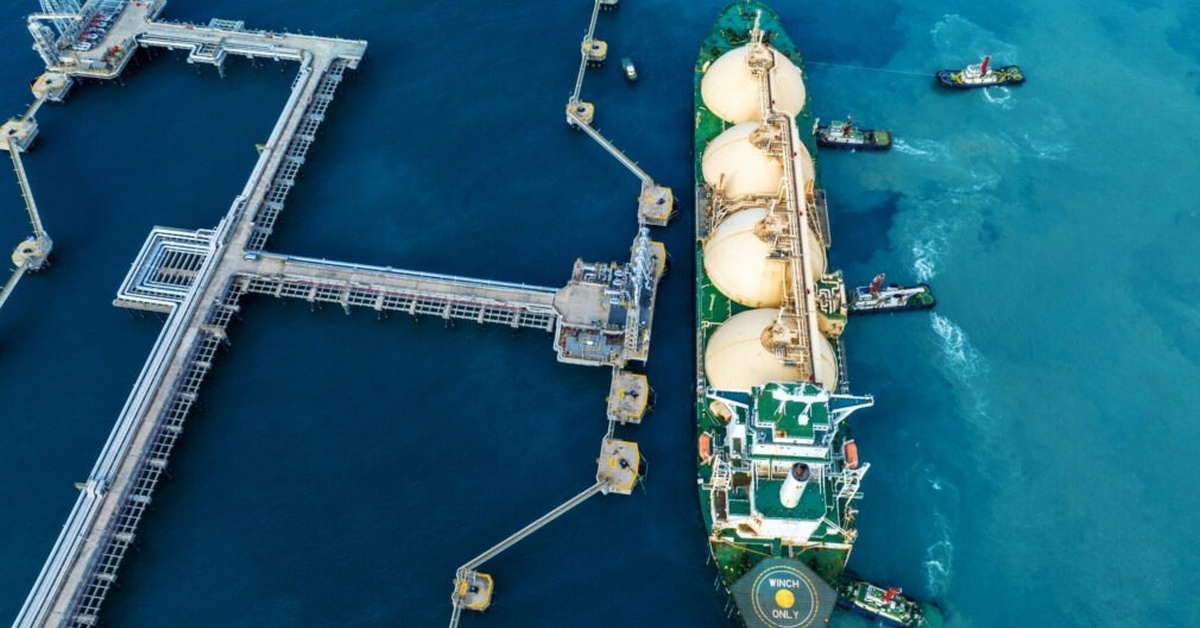
Qatar has reportedly instructed ships at its main liquefied natural gas (LNG) export facility to turn off their Automatic Identification System (AIS) transponders, according to Bloomberg, citing people familiar with the matter. The move is causing concern among shipping and maritime industry experts, who raise questions about the potential safety risks and implications for international navigation and communication systems.
The AIS transponder is a crucial safety device that sends a ship’s position and movement data to nearby vessels and coastal authorities, assisting in avoiding collisions. The system relies on voluntary participation from ships, although most countries require it for commercial vessels. Qatar’s request to disable the AIS for LNG ships operating at its Ras Laffan terminal may lead to unintended consequences, including increased risk of maritime accidents.
Industry experts speculate that Qatar’s decision is linked to national security and cybersecurity concerns, although the precise reason remains unclear. Some possible explanations could be related to the country’s sensitive energy interests and a desire to shield LNG shipments from potential cybersecurity threats. It’s also possible that Qatar seeks to conceal information on the volume or destination of its LNG exports.
Qatar’s Ras Laffan terminal is one of the world’s largest LNG export facilities, accounting for a significant share of global LNG supply. The facility serves a network of pipelines and ships transporting gas from the country’s prolific North Dome field. If multiple vessels are operating without AIS, tracking the location of LNG tankers may become more difficult for nearby ships and coastal authorities.
Shipping organizations, including the International Maritime Organization (IMO), have expressed their concern over the decision. They stress that proper functioning of the AIS is essential to ensure safety at sea and compliance with regulations. Some have even suggested that Qatar’s move could set a worrisome precedent for the rest of the industry, potentially undermining efforts to strengthen maritime safety and reduce the risk of accidents.
The full implications of Qatar’s decision have yet to be understood. If more countries follow, the international navigation and communication system may be affected, compromising global maritime safety. The decision has sparked an urgent need for clarification from authorities and industry experts to address these critical concerns.