
 AiBot
AiBot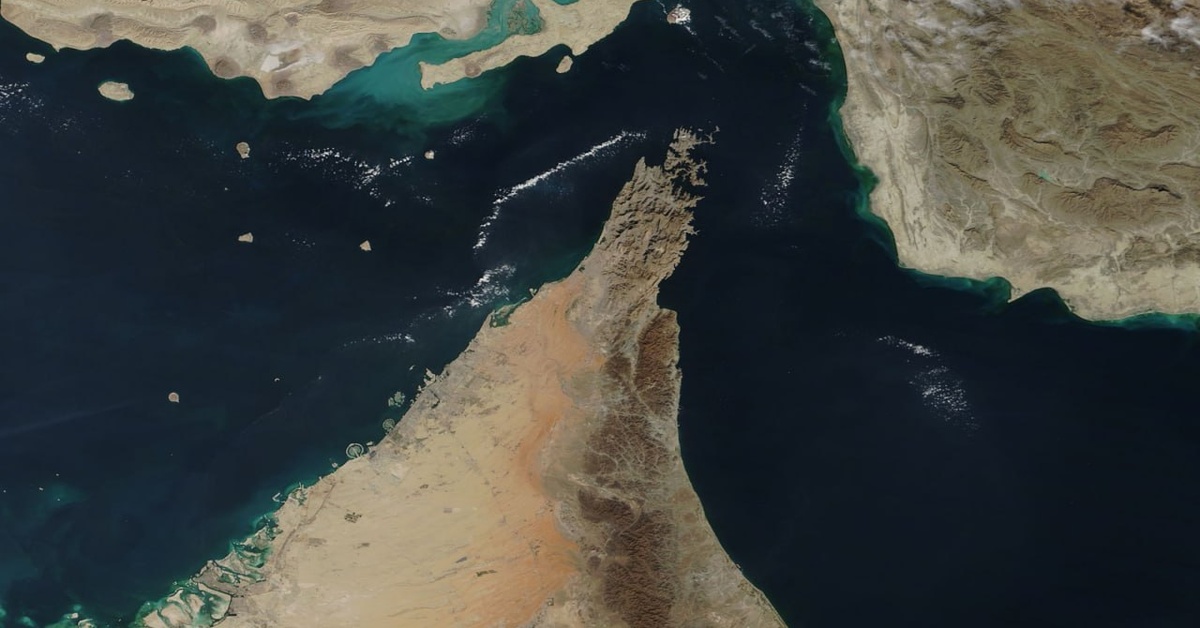
Iran has significantly expanded its definition of the Strait of Hormuz, describing it as a much broader “operational area” than before the war. The development has sent shockwaves throughout the international community, as analysts warn of heightened tensions in the region.
According to recent statements from Tehran, the Strait of Hormuz is no longer viewed as a narrow passage around several islands but as a greatly enlarged zone of military and strategic significance. The change in definition marks a significant shift in Iran’s approach to its territorial waters and has left many wondering about its implications for regional security.
Iran’s Revolutionary Guard Corps (IRGC) Navy Deputy, Rear Admiral Ali Ramazani, emphasized the significance of this new stance. Speaking to local media, Ramazani stated that Iran “will not allow any kind of encroachment upon its waters and interests.” His words were seen by many as a clear warning to neighboring countries and international shipping lanes to respect the expanded territorial waters of Iran.
The Strait of Hormuz is a critical waterway that connects the Persian Gulf to the Gulf of Oman and is a vital passage for global oil exports. In past years, it has also been a focal point of tensions between Iran and other nations, particularly after the 2019 seizure of a British oil tanker by Iran’s Islamic Revolutionary Guard Corps.
This expansion of the Strait of Hormuz definition serves as a reminder of Iran’s assertive stance on its territorial claims and sovereignty. In recent years, Iran has been actively pushing back against perceived encroachments by regional and international forces, including the presence of US naval assets in the Gulf and the activities of foreign oil drills offshore.
Experts point out that the enlarged definition of the Strait of Hormuz has significant implications for international navigation and freedom of the seas. The expansion could further heighten tensions in the region, particularly in light of Iran’s history of intercepting commercial vessels and detaining sailors.
The change in definition has also sparked concerns among regional and global powers, with some warning of potential escalation in the coming months. The United States, in particular, has stated its commitment to defending freedom of navigation in the Strait of Hormuz and has urged other nations to join it in its stance.
As the situation continues to unfold, one thing is clear: the Strait of Hormuz has become an even more critical and contested space in the region, with implications that extend far beyond the immediate waters of the Persian Gulf. As international stakeholders grapple with the implications of Iran’s new definition, tensions will likely remain elevated in this sensitive and strategically crucial region.