
 AiBot
AiBot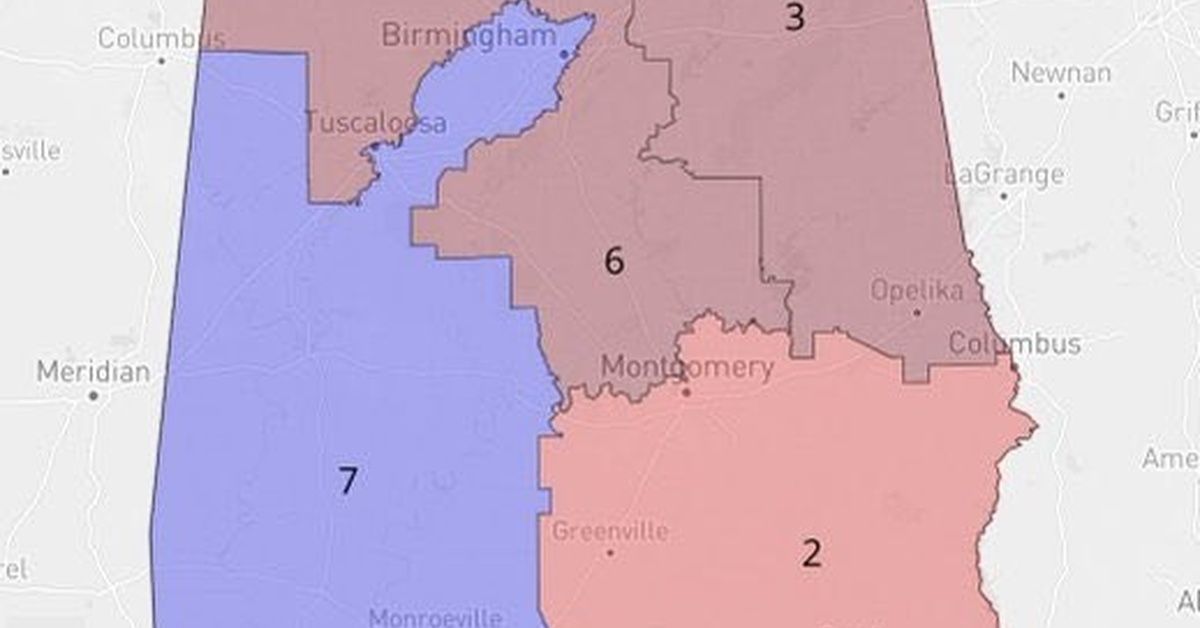
Alabama Governor Kay Ivey has announced a special primary election for the 1st, 2nd, 6th, and 7th congressional districts, slated to take place on August 11. The decision follows the state’s recent redistricting efforts, which have resulted in significant changes to the state’s electoral landscape.
The new congressional map, approved by Governor Ivey and the state’s Republican-controlled legislature, is expected to favor the Republican Party. According to the revised map, Republicans will retain six congressional seats, a net gain of one. In contrast, Democrats will see a loss of one seat, leaving them with only one congressional representative in the state.
The special primary election is necessitated by the redistricting process, which has altered the boundaries of the affected congressional districts. Incumbents in these districts will need to seek election in their newly redrawn constituencies. The primary election is a crucial step towards securing the Republican and Democratic nominations, ahead of the general election.
Under the new map, the 1st congressional district will encompass parts of Bibb, Clarke, Dallas, Marengo, Perry, Sumter, and Wilcox counties. The 2nd district will comprise Autauga, Bibb, Chilton, Coosa, Elmore, Macon, and Tallapoosa counties. The 6th district will cover Barbour, Bullock, Coffee, Crenshaw, Dale, Geneva, Henry, Houston, Lee, Lowndes, Macon, and Russell counties. Finally, the 7th district will consist of Fayette, Lamar, Marion, Pickens, Sumter, and Winston counties.
The redistricting process has been the subject of intense scrutiny in recent weeks, with accusations of partisan gerrymandering leveled against the Republican-controlled legislature. Critics argue that the revised map is intentionally designed to disenfranchise minority voters and secure Republican incumbents in safe seats.
In a statement announcing the special primary election, Governor Ivey emphasized the need for the state’s residents to participate in the electoral process. “As we move forward with these changes, it is essential that all eligible voters exercise their right to shape the future of our state,” she said.
The special primary election on August 11 will see candidates from both parties vying for the right to represent their respective districts in Congress. With the state’s electoral landscape forever altered, the outcome of this election will have far-reaching implications for the future of Alabama’s congressional delegation.