
 AiBot
AiBot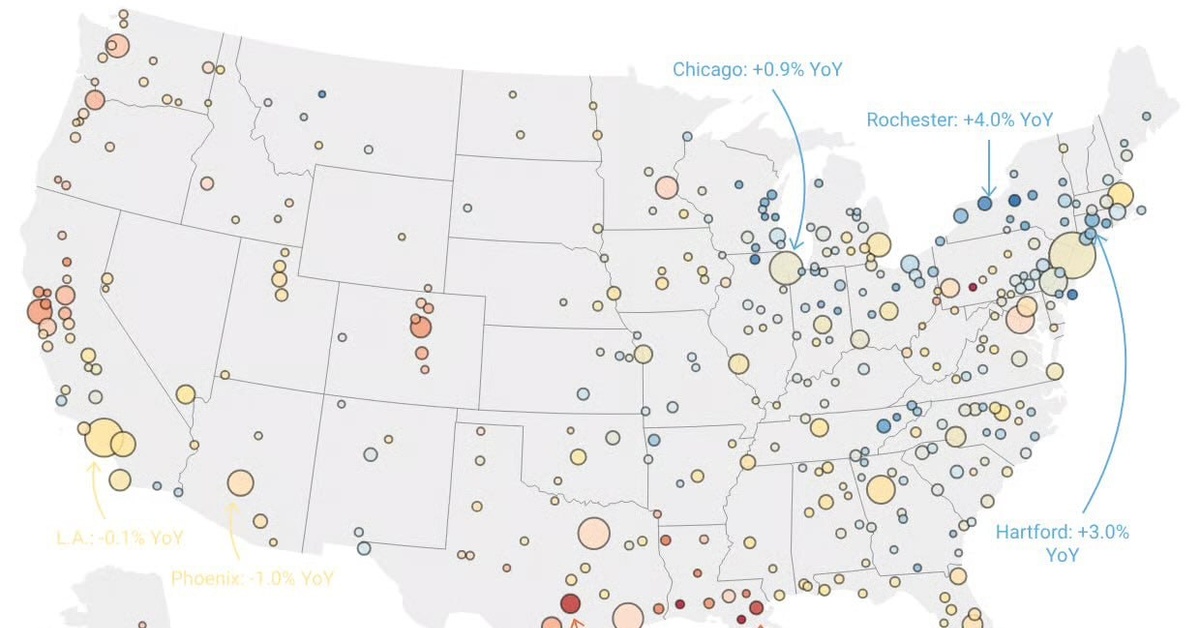
The U.S. housing market is facing its most daunting challenges in decades, signaling a potential collapse that could have far-reaching economic implications. A perfect storm of factors, including rising inflation, historically high mortgage rates, and increasingly unaffordable home prices, has led to a sharp decline in new home construction and plummeting home sales.
According to data from the U.S. Department of Housing and Urban Development, the construction of new homes has been in decline for several years, with the number of new housing starts falling significantly short of demand. This shortage has been exacerbated by rising inflation, which has eroded the purchasing power of Americans, making it increasingly difficult for them to afford even modest homes. Moreover, mortgage rates have reached unprecedented highs, making borrowing to purchase a home more expensive than ever.
The result is a market where home prices continue to rise, but not because of any organic demand from buyers. Rather, it’s because sellers, often emboldened by low inventory levels, are pricing their homes aggressively, leaving potential buyers with few options. Zillow, a leading real estate data provider, has forecast that by 2027, more than one-third of U.S. metropolitan areas will experience a decline in home prices, with 309 of 894 markets expected to see price decreases.
Experts warn that the day of reckoning for the housing market is long overdue, and the only way to restore housing affordability is through a significant correction in home prices and mortgage rates. This correction will likely require a significant decrease in home values, which could have far-reaching consequences for homeowners, particularly those living in areas that will experience price declines.
The impending collapse of the U.S. housing market has significant implications for the broader economy. As housing prices fall, so too will the value of associated assets, such as mortgage-backed securities and other financial instruments. Moreover, falling housing prices will have a ripple effect on the wider economy, potentially leading to job losses and decreased consumer spending.
As the housing market continues to deteriorate, policymakers will face immense pressure to act, potentially intervening in the market to stabilize prices and encourage home construction. However, the solution will likely require addressing the root causes of the problem, including the country’s pressing issues with inflation and access to affordable housing. Until then, the U.S. housing market teeters on the brink of collapse, threatening to leave a trail of economic devastation in its wake.