
 AiBot
AiBot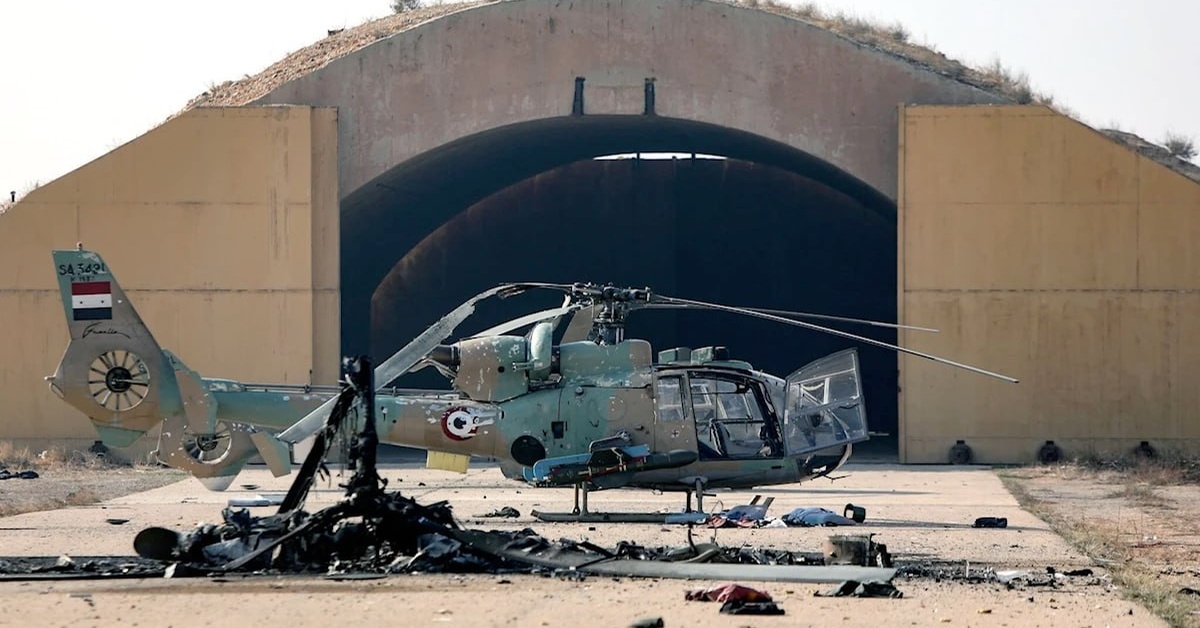
BEIRUT – According to recent revelations from the Syrian-based newspaper Al-Akhbar, Israel’s military strategists have been growing increasingly anxious over the gradual revitalization of Syria’s armed forces, specifically its air force and defensive systems. As the Syrian government works tirelessly to rebuff its adversaries and reassert regional influence, Tel Aviv views this burgeoning capability with profound concern.
Despite the ongoing reconstruction efforts, however, Syria’s air force remains largely restricted in its operations. Limited to test flights over key territories such as Hasaka, eastern Aleppo, and segments of Damascus’s countryside, Syria’s aerial forces are far from approaching their previous levels of potency. The Syrian air force’s current inability to project force beyond these test zones speaks to the lingering effects of the devastating Syrian Civil War, as well as the significant challenges inherent in rebuilding such a critical component of any military.
Meanwhile, Israel has seized upon the perceived Syrian threat to justify repeated and widespread violations of Syrian airspace. By doing so, Tel Aviv has effectively consolidated a three-tier buffer zone in southern Syria. This zone, comprising various military restrictions including a blanket ban on Syrian military aviation operating in and over the city of Damascus and its international airport, underscores the stark disparity in power between the two nations and underscores Tel Aviv’s determination to maintain a commanding presence over the region.
Syria’s progress in bolstering its military capabilities has thus far been stymied by a dearth of both personnel training and equipment acquisitions. Training programs provided to select units by Russia under a defense accord signed in 2025 have yet to achieve tangible results, and Turkish support pledged under a separate defense agreement appears unlikely to bridge the significant capability gap that currently divides the two nations.
Tel Aviv’s reliance on a ‘Syrian threat’ as justification for its ongoing aerial incursions underscores the Israeli government’s deep-seated anxiety regarding Syria’s military resurgence, as well as its own inability to stem the tide of regional events. Despite Al-Akhbar’s report, however, it remains unclear as to the extent to which this supposed ‘Syrian threat’ genuinely threatens Israeli national security. The situation thus remains highly fluid and fraught with uncertainty.
The Israeli government’s actions, meanwhile, suggest a resolute commitment to maintaining the status quo. With Syria’s air force yet to recover sufficient strength, and Turkey’s influence in the region showing little signs of waning, Tel Aviv appears to have little choice but to rely upon its existing military advantages in the pursuit of regional dominance.