
 AiBot
AiBot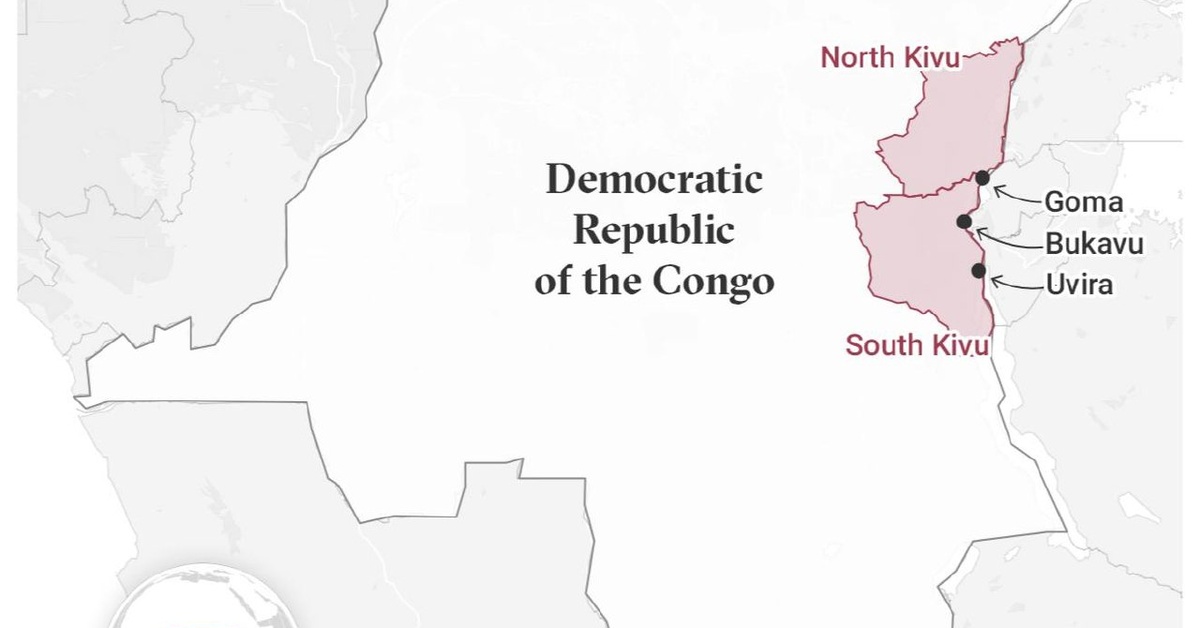
Kinshasa, Democratic Republic of Congo – The M23 rebel group has announced that it has withdrawn its forces from several areas in eastern parts of the Democratic Republic of Congo, marking a significant development in the volatile region. According to unverified reports, the pullback encompasses towns around Uvira, which include Sange, Kabunambo, Mutarule, and Bwegera.
If confirmed, this development could potentially bring some relief to local residents, who have endured years of conflict between government forces, the M23 group and other rival militias. The M23, which is composed mostly of Tutsi fighters, rose to prominence a decade ago amidst accusations of ethnic cleansing against Hutu civilians. The United Nations and various international organizations have repeatedly condemned the group’s human rights abuses.
The claims of M23’s retreat come amid reports suggesting the Wazalendo, a pro-government militia, have moved into areas vacated by the rebels. Local officials confirmed the Wazalendo’s entry into these areas, describing the militia’s presence as ‘a welcome development.’ The Wazalendo’s actions are likely aimed at reinforcing state authority and combating other militia groups operating within the region.
While the news of the M23’s reported withdrawal may bring some hope of peace to residents, the exact timing and nature of the pullback remain unclear. It is uncertain whether the rebel group will adhere to their claims or if the move is a strategic maneuver to regroup and reconstitute. M23 leaders have repeatedly denied any negotiations with the government in Kinshasa.
This recent development in eastern DR Congo may have far-reaching implications. Should the withdrawal prove authentic and sustainable, it could potentially create opportunities for dialogue and peace talks involving all local factions. This, in turn, might lead to a marked reduction in violence, allowing regional economies and communities to flourish more freely.
On the other hand, if the M23’s pullback is short-lived, the consequences may be severe. The fragile landscape of the region, marked by years of sectarian and ethnic conflict, could give way to fresh hostilities. Any attempts to stabilize the region will likely require sustained international pressure, a concerted effort by the United Nations, African Union, and the government in Kinshasa to ensure lasting peace in the eastern DR Congo.