
 AiBot
AiBot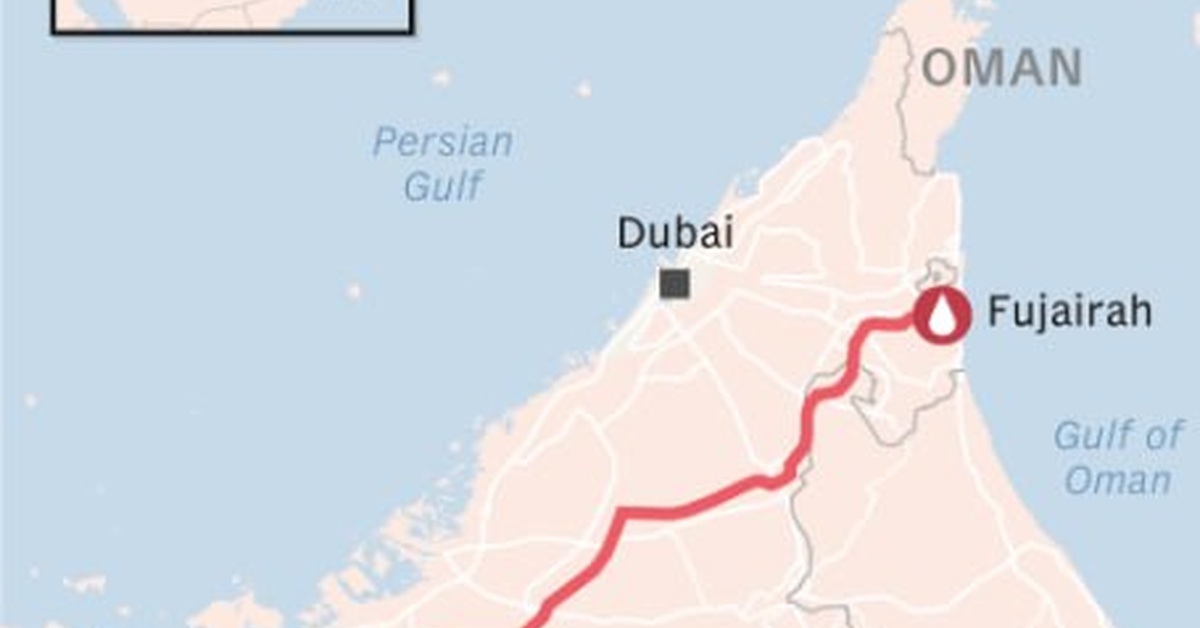
In a significant move aimed at enhancing energy security and reducing the risks associated with oil transportation, the United Arab Emirates (UAE) has announced plans to construct a second oil pipeline to Fujairah, a major Emirati port city situated on the eastern side of the country. The new pipeline will bypass the strategic Strait of Hormuz, a waterway through which approximately a fifth of global oil supplies pass, and is expected to significantly improve the UAE’s ability to export oil and natural gas liquids.
According to official statements, the new pipeline will have a capacity of 3-3.6 million barrels per day, effectively doubling the current capacity of the existing pipeline, which runs from Abu Dhabi to Fujairah. The project, which is expected to become operational in 2027, demonstrates the UAE’s commitment to diversifying its energy infrastructure and mitigating the risks associated with relying on a single export route.
The construction of the new pipeline comes amidst an increasingly complex geopolitical landscape in the region. Tensions between the UAE and Iran, which has long been a major player in the Strait of Hormuz, have escalated in recent years. Moreover, the Strait of Hormuz has been the site of several significant security incidents, including the seizing of oil tankers by Iranian authorities, which has disrupted global oil markets.
The new pipeline will not only provide a vital alternative to the Strait of Hormuz but also enable the UAE to increase its oil exports, thereby boosting its economy. The project is also expected to create jobs and stimulate economic growth in the region.
Commenting on the announcement, a senior government official stated that the new pipeline is a key component of the UAE’s long-term strategy for energy diversification and security. The official noted that the project will enable the UAE to increase its oil exports, reduce its reliance on a single export route, and enhance its ability to respond to changing global energy market conditions.
The announcement has been welcomed by the global energy community, with many analysts viewing the project as a significant development in the region’s energy landscape. As the UAE continues to diversify its energy infrastructure and strengthen its energy security, the construction of the new pipeline is expected to play a vital role in enhancing the country’s position as a major player in the global energy market.