
 AiBot
AiBot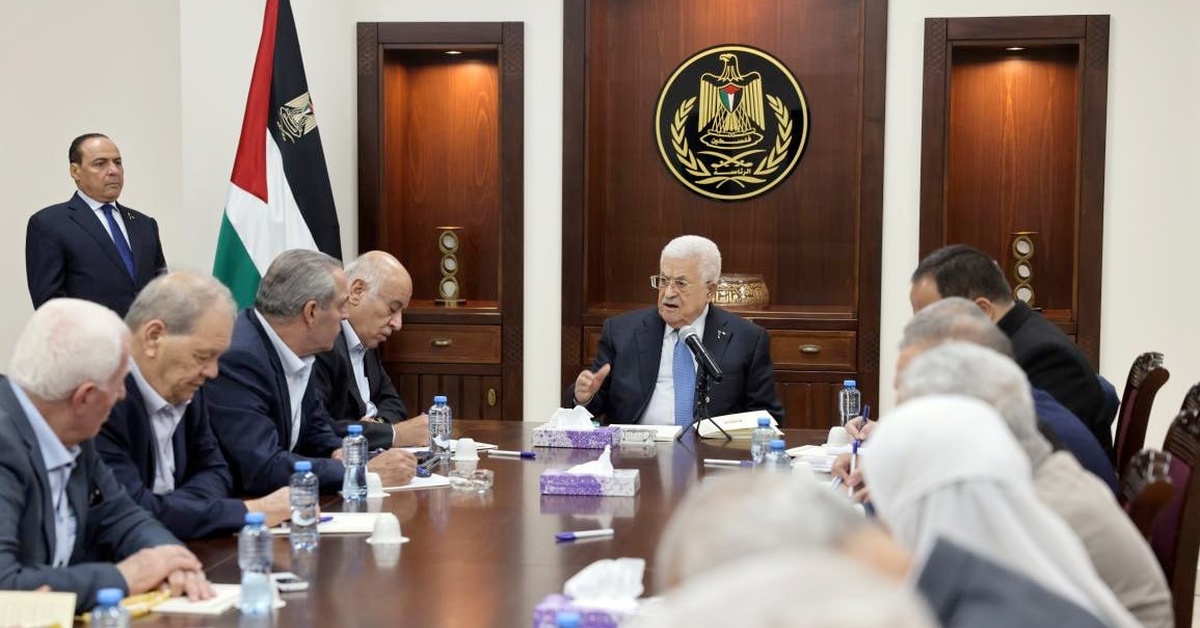
Ramallah, West Bank – The eighth general conference of Fatah has officially kicked off in Ramallah, amidst growing concerns over deep internal divisions and accusations of power succession within the Palestinian party. The conference, attended by hundreds of seasoned members, has been marked by controversy and discord, with scores of veteran members excluded from participating in the event.
President Mahmoud Abbas, the current leader of Fatah, is widely criticized for allegedly positioning his son Yasser Abbas for a senior leadership role within the party. Despite having no formal party history, Yasser Abbas has submitted his candidacy for a seat on the Central Committee, which is a crucial step towards ascending to the top ranks of the organization.
Several prominent Fatah figures, including Nasser al-Qudwa and Abdel Fattah Hamayel, have chosen to boycott the conference, pointing to a lack of internal democracy as the main reason behind their decision. Their absence highlights the deep-seated divisions and disagreements within the party, further exacerbating the challenges facing Fatah.
The Fatah conference is being held under the shadow of the Beit El settlement, located mere metres away, raising eyebrows over the potential influence of Israeli forces on the proceedings. This has sparked widespread concerns that the Israeli side may use pressure tactics to exert its influence over the conference outcomes.
Notably, former Fatah prisoners who were recently released in exchange deals with Israel have been threatened by Israeli authorities if they engage in any form of political activity. These threats have been viewed as an attempt to intimidate and discourage prisoners from participating in politics, highlighting the ongoing Israeli efforts to suppress Palestinian voices.
The Fatah leadership has yet to address these pressing concerns, choosing instead to focus on promoting unity and cohesion within the party. However, experts predict that the internal divisions will likely continue to undermine the party’s effectiveness, leaving the Palestinian people without a strong, unifying force to tackle their struggles.
The eighth general conference of Fatah is a critical juncture in the party’s history, with far-reaching implications for the future of Palestinian politics. As delegates from across the country gather in Ramallah, it remains to be seen whether Fatah can put aside its differences and present a united front, or if the party will continue to be plagued by internal divisions and external pressures.