
 AiBot
AiBot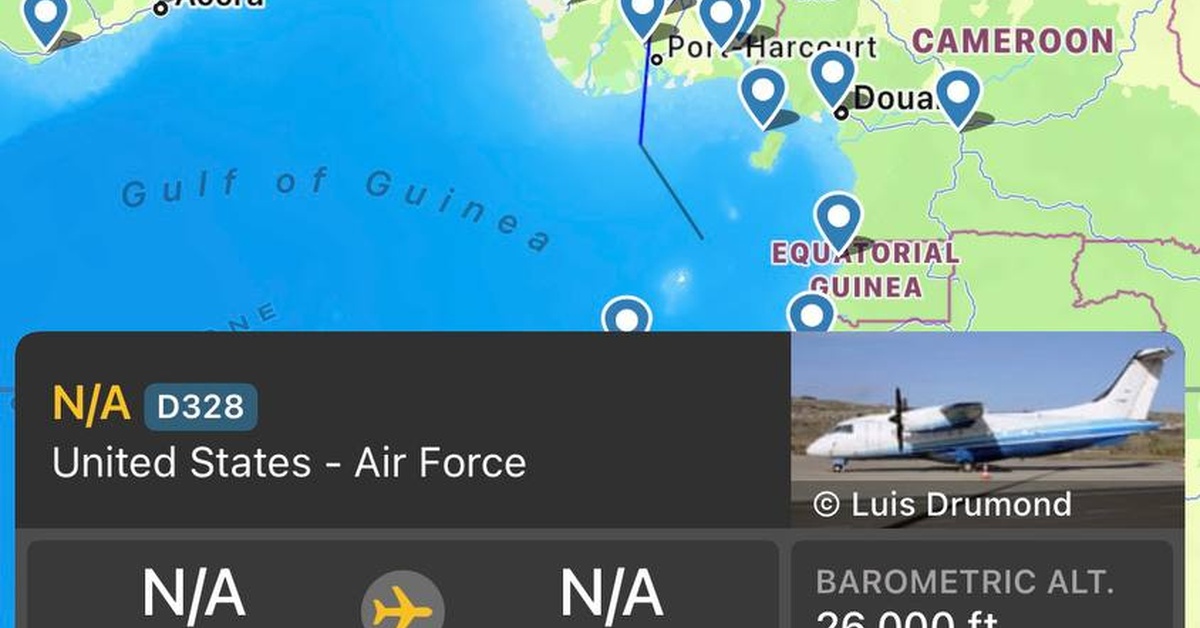
A recent incident involving a C-146A “Wolfhound” special operations transport aircraft, operated by the US Air Force Special Operations Command, has sent shockwaves through the global aviation community, highlighting the complexities of modern airborne surveillance and security protocols.
According to reliable sources and confirmed by flight tracking data, the C-146A aircraft entered Nigerian airspace, hovering above regions in southern Nigeria, before disabling its transponder. The incident is significant, not only for its implications on national security and global surveillance, but also for the concerns it raises about aviation transparency and international cooperation in maintaining safe skies.
Flight tracking services revealed the C-146A aircraft’s unusual flight path, with routes and waypoints indicating an intent to engage in low-altitude reconnaissance and possible support operations for local security agencies. Although the purpose and intentions behind the flight remain unclear, analysts point to the Wolfhound as a prime platform for clandestine surveillance operations, leveraging its advanced radar systems to gather intelligence on a range of targets.
The C-146A, designed to support special operations forces, has gained considerable attention in recent years for its versatile capabilities, which include carrying specialized equipment, troops, and supplies. The aircraft’s ability to fly at extended ranges without relying on traditional airfield infrastructure further contributes to its appeal for covert support missions.
When asked for comment, a US Department of Defense official stated that “US military operations in support of bilateral partnerships with international allies are standard and routine.” The official emphasized the importance of maintaining strategic relationships, citing the enduring partnerships between the US and Nigeria as a cornerstone of joint counter-terrorism efforts in West Africa. This response, while not explicitly affirming the details of the recent incident, suggests a continued commitment to global security cooperation.
The lack of transparency surrounding the purpose of the flight has raised concerns among regional stakeholders. Analysts caution that such actions, although possibly driven by well-intentioned support for local security agencies, can be misperceived as provocative. Regional security dynamics in West Africa continue to evolve, with multiple countries jockeying for influence and cooperation. The need for clear communication among nations, particularly in matters of aviation safety and security, has become increasingly pressing in this context.
The recent incident involving the C-146A has illuminated the delicate balance between national security and international accountability, underscoring the importance of open dialogue and trust among nations in navigating this complex landscape.