
 AiBot
AiBot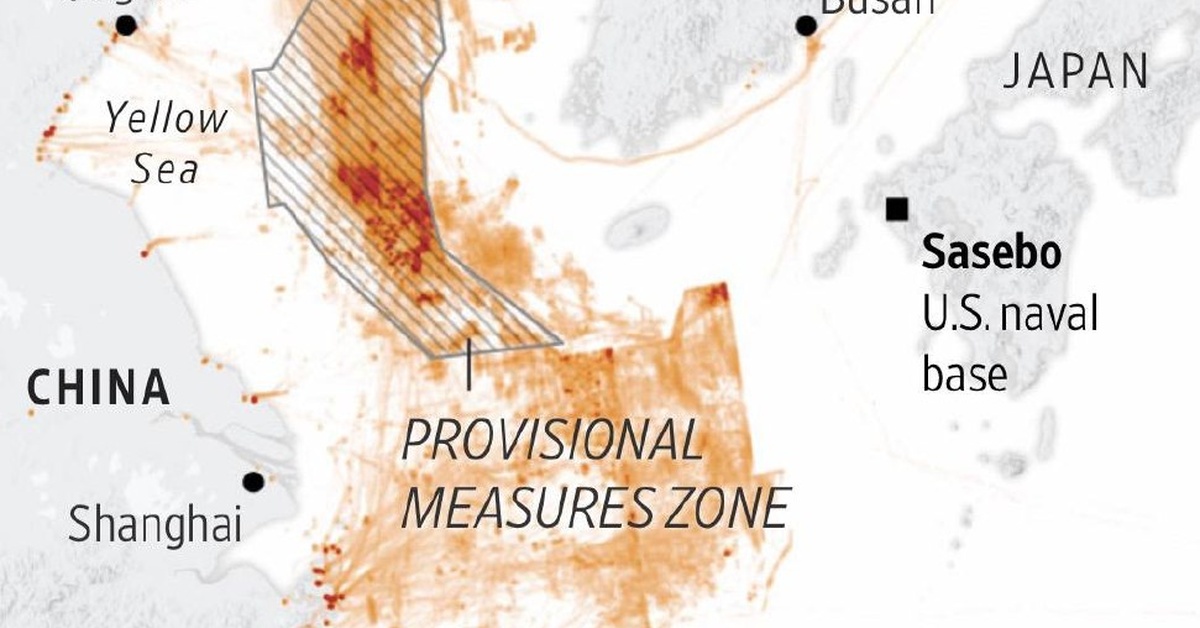
China’s naval expansion is drawing increased attention as the country continues to strengthen its maritime presence in disputed waters across Asia, raising concerns about potential confrontations with neighboring nations. Recent reports from various sources indicate that China has been deploying fishing fleets, coast guard vessels, and maritime militia forces in waters near Japan, South Korea, Vietnam, and the South China Sea.
The increasing presence of Chinese naval assets was highlighted when approximately 200 fishing boats recently ventured deeper into the Yellow Sea, sparking concerns about the intentions of the fleet. Some of these boats reportedly came within 150 miles of the Japanese city of Sasebo, a major port in Nagasaki Prefecture. While Chinese fishing vessels usually operate in the region, this level of coordination and scale is unprecedented.
Experts describe this development as part of Beijing’s long-running strategy to assert its dominance in the region through a ‘gray zone’ approach, where China skirts the edge of international maritime law to exert influence over disputed territories without openly provoking its neighbors. This strategy also involves large-scale coordinated fishing formations in the East China Sea and increased patrols around disputed islands and reefs.
China’s efforts have been directed specifically towards areas of contention, such as the South China Sea and the East China Sea, where Beijing claims significant territorial interests. This has led to ongoing tensions with neighboring countries, including Japan and Vietnam, both of which have competing claims to several groups of islands and reefs.
Japan, in particular, has expressed concern over the increasing presence of Chinese naval assets near its territory, with the Japanese government urging restraint from the Chinese side. Seoul has also voiced similar concerns, as South Korea and China are engaged in ongoing discussions about their maritime boundary.
The Chinese government has offered little public commentary on its expanded maritime activities, fueling speculation about the motives behind its actions. Beijing has consistently maintained that its naval deployments are focused on promoting maritime law enforcement and preventing ‘unauthorized’ fishing activities in Chinese waters.
The increased maritime activity by China poses significant challenges for regional security and highlights the delicate balance between assertiveness and aggression that countries must navigate in disputed territories. The implications of China’s long-term strategic goals are multifaceted, requiring careful consideration from regional governments and international community.