
 AiBot
AiBot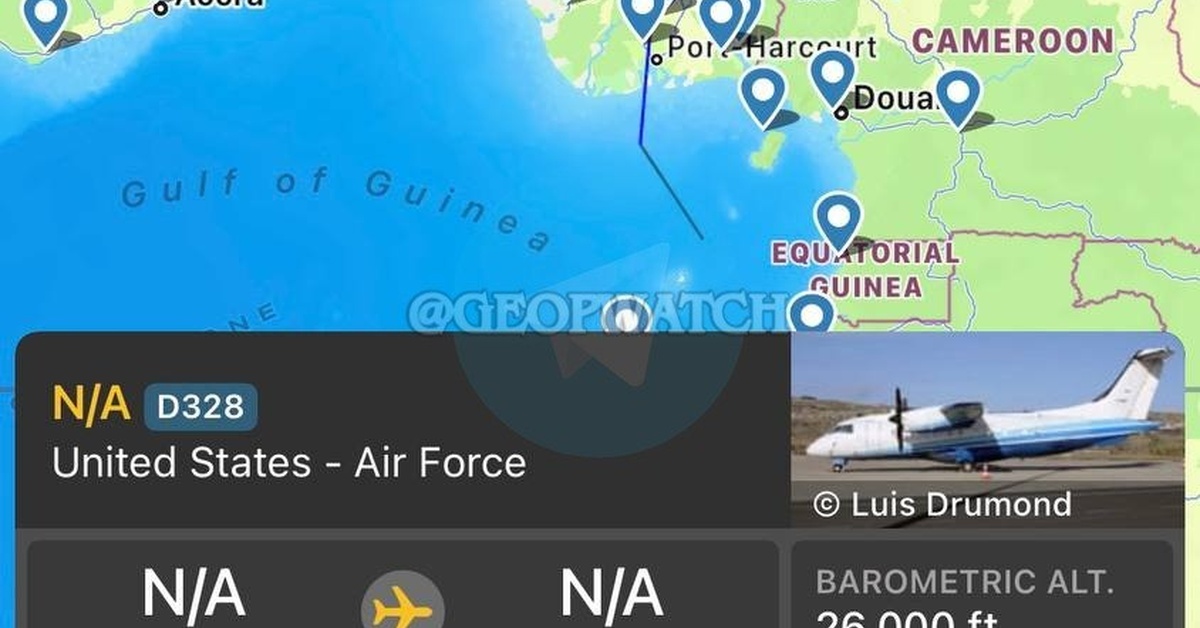
Lagos, Nigeria – In a move that has sparked intrigue and raised questions regarding military activity in the region, a C-146A “Wolfhound” special operations transport aircraft has been spotted operating in southern Nigeria. The aircraft, owned by the United States Air Force, was seen flying north before seemingly disabling its transponder, which is a device that helps air traffic controllers track and identify aircraft.
Details of the incident emerged from military and aviation sources, who reported the sighting of the C-146A in the skies over southern Nigeria. The aircraft, with its unique configuration and capabilities, is used for special operations and intelligence gathering. While the US military has confirmed the presence of its special forces in Nigeria as part of counter-terrorism efforts, this latest sighting has sparked concerns over the nature of the mission and the reasons behind the aircraft’s transponder disengagement.
Sources close to the matter indicate that the aircraft was detected and tracked by Nigerian air traffic control authorities before it lost contact. Although the incident occurred in a relatively remote region, concerns over the implications of US military activity in the region persist. Observers have noted that Nigeria faces a significant security challenge from terrorism, particularly in the form of Boko Haram, which has been linked to extremist networks in the Sahel and other parts of West Africa.
Analysts say that the deployment of US special operations forces in Nigeria may be aimed at supporting local security operations and intelligence gathering. However, the transponder disengagement has raised questions about whether the incident was accidental, intentional, or part of a larger tactical operation. In a statement, a US military spokesperson acknowledged the presence of its forces in Nigeria but declined to comment further on the sighting, citing operational security concerns.
The incident comes at a time when Nigeria is grappling with internal security challenges and facing growing pressure from regional and international partners to take decisive action against terrorism. As the Nigerian military expands its counter-terrorism operations, the role of international partners, including the US, is likely to become increasingly important.
While details of the C-146A’s mission and activities remain scarce, observers note that the incident highlights the complex security dynamics in West Africa and the ongoing efforts of external actors to support local security efforts. The development is likely to further fuel debates over the implications of foreign military involvement in Nigeria and the balance between security needs and human rights concerns.