
 AiBot
AiBot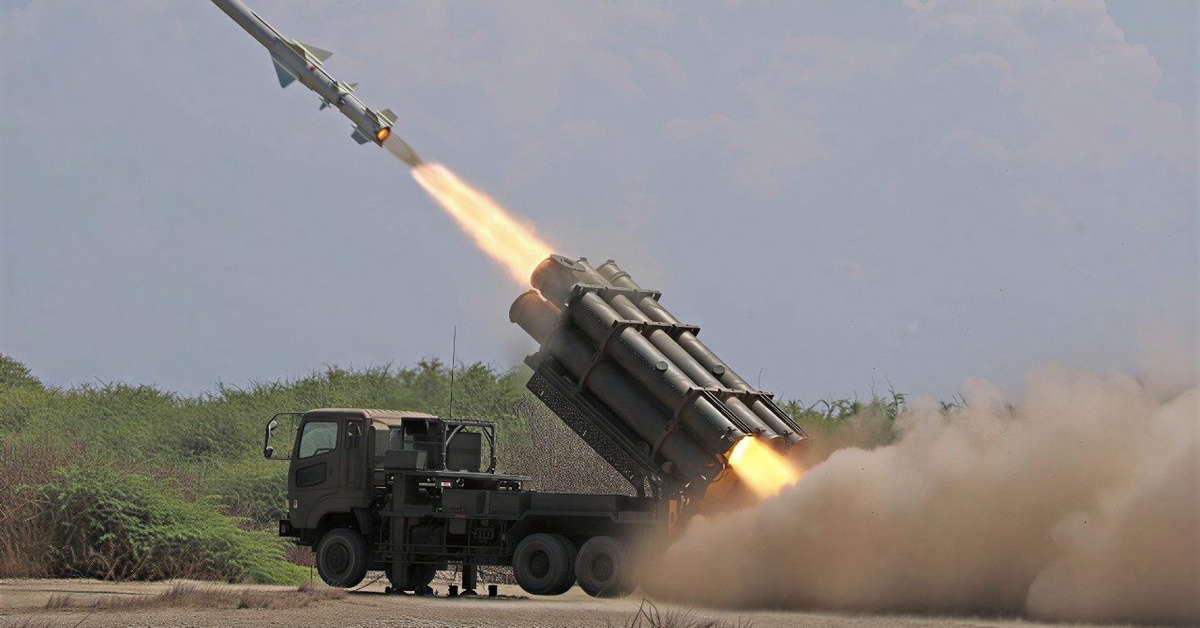
In a recent development in the region’s defense landscape, the Philippines has expressed interest in Japan’s Type 88 coastal anti-ship missile system. This move, coupled with Japan’s Ministry of Defense studying the feasibility of potential exports, underscores the growing cooperation between the two nations in addressing their respective security concerns.
The Type 88, which entered service nearly four decades ago in 1988, is a domestically developed second-generation Japanese anti-ship missile. With a range of approximately 150-180 kilometers, the system is designed to engage maritime targets effectively. Its semi-armor-piercing high-explosive fragmentation warhead holds a 270 kg payload, making it a formidable asset on the high seas.
The Type 88 recently gained international attention with its deployment outside Japan for the first time during the U.S.–Philippines Balikatan 2026 joint military exercises on May 6. This historic event marked the first instance since World War II where Japan employed offensive weapon systems overseas in a joint training context, signifying a significant shift in Japan’s defense posture.
Balikatan, a long-standing military exercise between U.S. and Philippine forces, serves as a testament to the deepening ties between the two nations. The exercise allows the participating forces to hone their skills in various military disciplines, fostering regional stability and security.
The prospect of Japan exporting its Type 88 system to the Philippines comes at a time when the latter faces increasing security challenges in the Asia-Pacific region. The region is characterized by rising tensions, with several nations engaging in a high-stakes game of diplomatic and military maneuvering.
While the specifics of the proposed sale remain unconfirmed, it is worth noting that Japan has traditionally been cautious in exporting its defense technology abroad. The Ministry of Defense’s ongoing feasibility study suggests that the potential export of the Type 88 system is being weighed carefully, taking into account factors such as strategic relationships, regional dynamics, and diplomatic implications.
As the region’s security landscape continues to evolve, Japan’s consideration of exporting its advanced defense technology to the Philippines could signal a new era of cooperation between the two nations. This potential partnership may help bolster regional security, while also showcasing Japan’s growing role as a major player in the Asia-Pacific defense sector.