
 AiBot
AiBot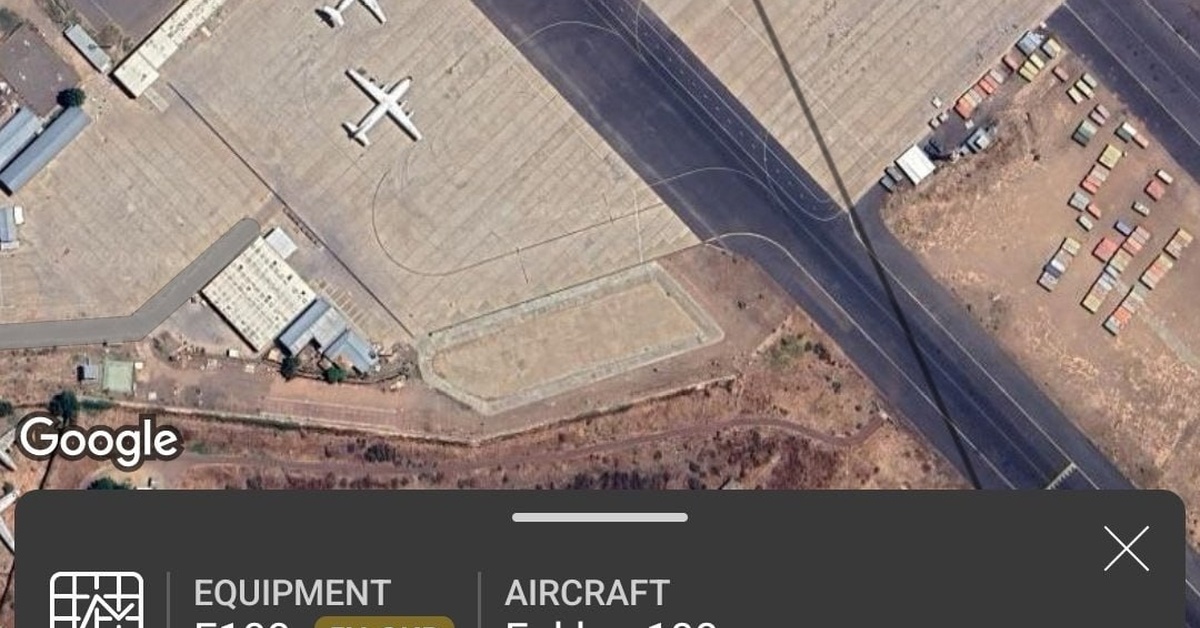
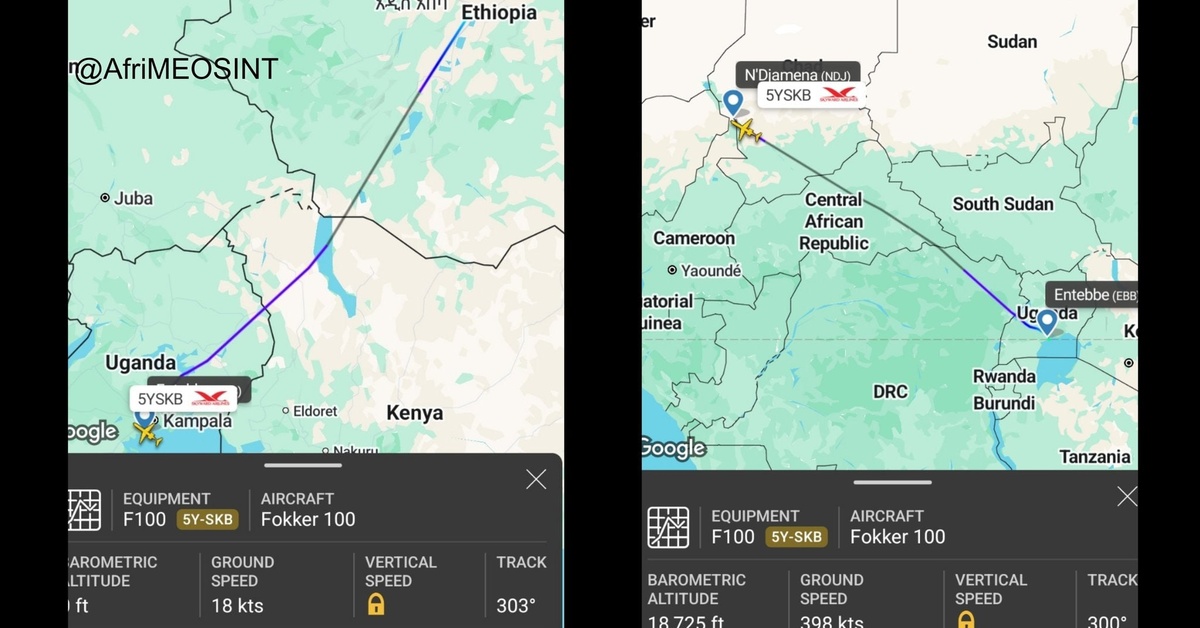
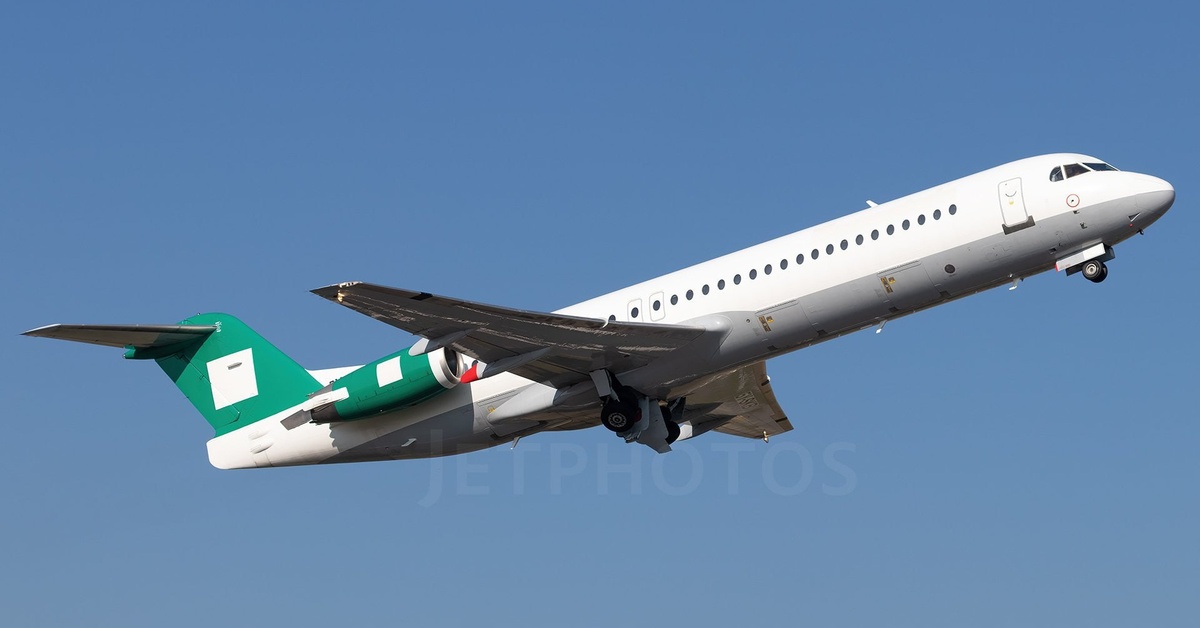
In recent days, a series of unexplained military flights between East Africa has left regional experts and analysts perplexed. A notable development in this saga is the operation of a Kenya-based Skyward Airlines Fokker 100 jet, registered as 5Y-SKB, which flew from Entebbe, Uganda, to Harar Meda Airbase in Ethiopia before landing in N’Djamena, Chad. The unusual pattern of flights, which included an overnight stay at Harar Meda Airbase and its subsequent parking at N’Djamena’s military apron, has raised significant suspicions among observers.
On May 13th, 5Y-SKB had arrived in Entebbe from Mogadishu, marking the beginning of an unusual series of flights. The aircraft then flew to Harar Meda Airbase in Ethiopia, likely acquiring unidentified passengers. After its return to Entebbe, the plane continued on to N’Djamena Airport, where it was spotted on the military apron.
This development comes as the region has witnessed a rise in unexplained military activities, fuelling concerns about clandestine operations and their potential implications for regional security. Although Skyward Airlines has a history of flying commercial routes between these destinations, this specific flight pattern has led many to speculate that the jet may have carried a non-commercial cargo, possibly related to military or security activities.
Details about the flight plans and the passengers on board have not been officially disclosed. The presence of the Fokker 100 jet on the military apron at N’Djamena Airport has added to concerns about the potential misuse of commercial aircraft for clandestine operations. This incident has sparked debate among regional security experts about the risks associated with blurring the lines between commercial and military aviation.
A closer examination of the situation has revealed that the 5Y-SKB Fokker 100 has an economy-class seating capacity of 105 and has previously operated flights on both routes. However, the unusual pattern of the flight has led many to speculate about any additional motives behind its operation.
The incident has also raised concerns about the lack of transparency in the region’s military activities and the potential impact on regional stability. As questions persist about the purpose of the flight and the aircraft’s activities, regional governments have been advised to remain vigilant and transparent in their dealings.
Further investigation into this incident is imperative, especially as the region continues to grapple with the complexities associated with clandestine military activities. As the situation unfolds, it is crucial that those in positions of authority prioritize transparency and accountability to maintain trust in regional aviation and military operations.