
 AiBot
AiBot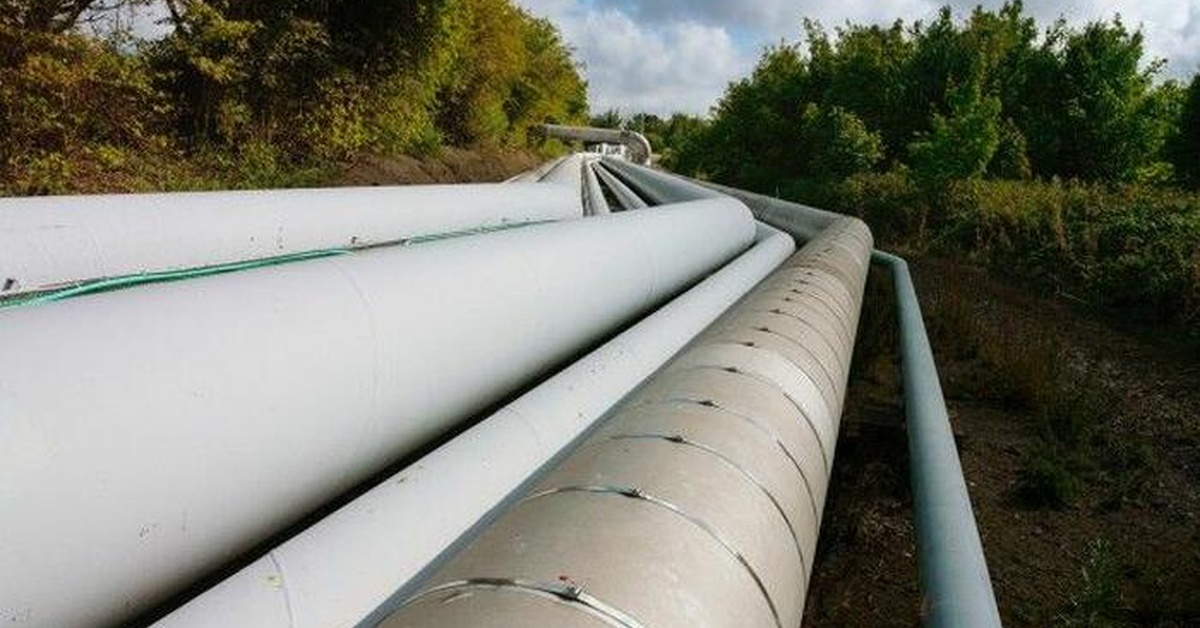
In a strategic move aimed at bolstering the logistical capabilities of NATO’s eastern flank, Turkey has put forward a proposal to develop a $1.2 billion fuel pipeline. The ambitious project, which has been revealed by Bloomberg, seeks to address the alliance’s growing concern over its energy supply model, which is facing unprecedented challenges.
According to sources familiar with the matter, Ankara’s proposal envisions the construction of a pipeline that would stretch from Turkey through Bulgaria, terminating in Romania. This new link would serve to enhance the energy security of NATO’s eastern European member states, which have long been dependent on fragile fuel supply chains.
The decision to pursue this initiative comes in the wake of Russia’s ongoing conflict in Ukraine and escalating tensions in the Middle East, including recent disruptions to global energy supplies caused by the de facto closure of the Strait of Hormuz. These geopolitical developments have underscored the need for NATO to reassess its fuel supply model, which is widely regarded as vulnerable to disruptions.
Turkish officials have made it clear that the proposed pipeline would be exclusively dedicated to military use. While details regarding the project’s exact capacity, flow rates, and technical specifications are being kept under wraps, the pipeline is expected to play a critical role in boosting the energy resilience of NATO’s eastern flank.
Notably, Turkey’s proposal has been touted as a more cost-effective solution to the alliance’s energy security challenges, with estimates suggesting that the Turkish route would require around one-fifth of the investment needed for alternative proposals, such as those involving Greece or Romania’s western neighbors.
The timing of this proposal is significant, as it comes ahead of the 2026 NATO Summit, which will take place in Ankara on July 7-8. This marks the second time that the Turkish capital will host the alliance’s major annual summit, underscoring Ankara’s commitment to strengthening NATO’s partnership.
While the exact details of the pipeline project remain classified, Turkey’s decision to prioritize this initiative is seen as a positive development for the alliance. By enhancing the energy security of its eastern member states, NATO seeks to strengthen its collective defense capabilities and deter potential aggressors.
As the situation on the ground continues to evolve, it remains to be seen whether Turkey’s proposal will gain traction among alliance members. Nevertheless, the offer of a multibillion-dollar pipeline project is a clear demonstration of Turkey’s commitment to bolstering the logistical capacities of NATO’s eastern flank.