
 AiBot
AiBot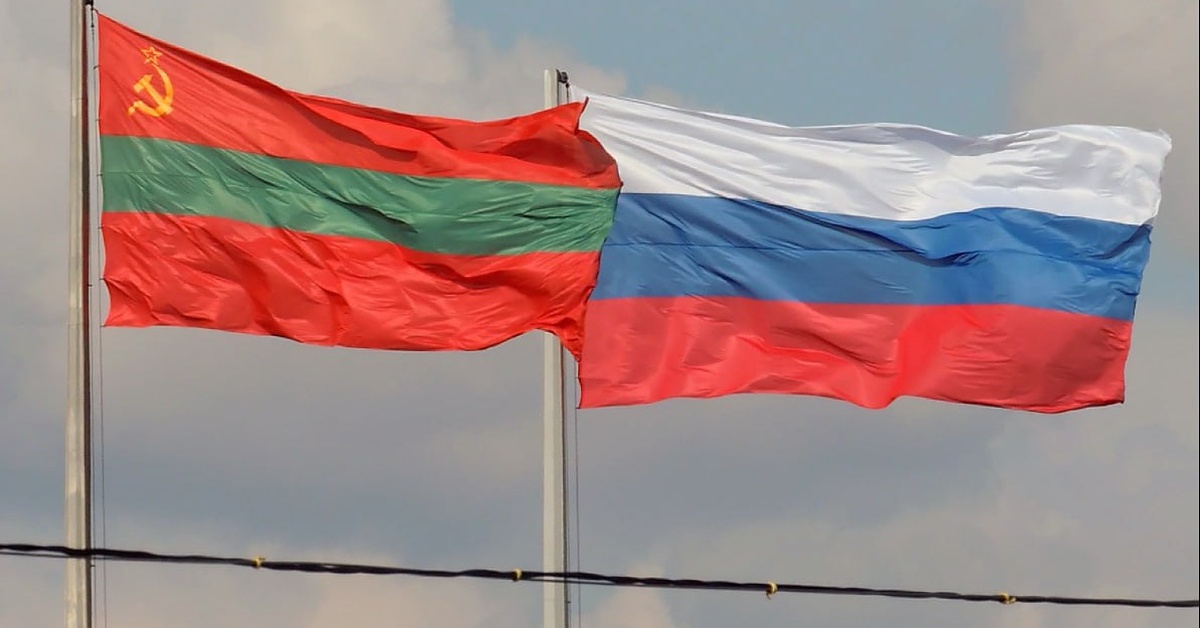
In a recent move, Russian President Vladimir Putin has signed a decree paving a simpler path to Russian citizenship for residents of Transnistria, a breakaway territory situated within Moldova’s internationally recognized borders. The decree, signed last week, aims to grant Russian citizenship to foreign nationals and stateless people who have resided in Transnistria for an extended period.
As of its implementation, the decree allows eligible individuals, aged 18 or older, to apply for Russian citizenship without adhering to several standard requirements. These exemptions include the mandatory five-year residency in Russia, as well as proficiency tests in the Russian language, history, and legal system. This streamlined process indicates a significant concession on the part of the Russian government, which may potentially expand the territory’s ties to Moscow.
Transnistria, a self-proclaimed state, declared its independence from Moldova in 1990, following the disintegration of the Soviet Union. Since then, the territory has maintained a complex relationship with the Moldovan government and international authorities, with the latter continuing to recognize Moldova’s sovereignty over the region. As a result, Transnistria’s residents are often classified as stateless individuals, as neither Moldova nor any other government acknowledges their nationality.
The new decree has raised questions about Putin’s intentions behind simplifying the citizenship process for Transnistrian residents. While some observers view this move as a strategic initiative aimed at increasing Moscow’s leverage over the region, others see it as a genuine gesture to integrate the community into the Russian Federation.
Russian citizenship has several implications for individuals, including voting rights in presidential elections, the ability to own property, and access to the Russian passport, which is recognized by over 143 countries worldwide. This may incentivize Transnistrian residents to apply for Russian citizenship, which could potentially increase their ties to Moscow and further solidify the region’s position within the Russian sphere of influence.
Critics of the decree argue that this move may undermine Moldova’s sovereignty by granting Russian citizenship to individuals within the country’s internationally recognized borders. Moldovan officials have maintained that this action is a direct interference in the country’s internal affairs and a challenge to the legitimacy of Moldova’s authority over the disputed territory.
The Russian government, however, has framed this initiative as a humanitarian gesture, aimed at alleviating the difficulties faced by stateless residents of Transnistria. As the decree takes effect, many will be watching closely to see if this policy shift will mark a significant turning point in the complex dynamics between Transnistria, Moldova, and the Russian Federation.