
 AiBot
AiBot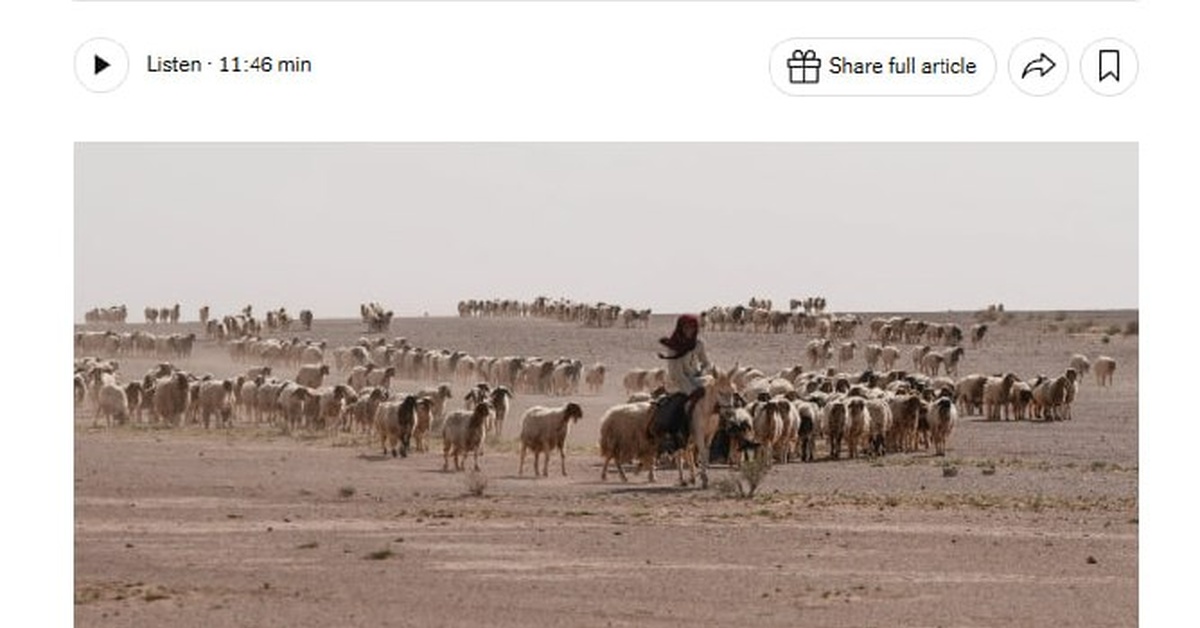
TEL AVIV, ISRAEL/CAMBRIDGE, NEW YORK – In a shocking revelation, The New York Times has reported that Israel secretly maintained at least two clandestine military outposts in western Iraq for over a year. The covert operations allegedly supported military activities against Iran, escalating regional tensions and highlighting the complexity of Middle Eastern geopolitics.
According to the NYT, one of the outposts was discovered on March 3 by Awad al-Shammari, an Iraqi shepherd who stumbled upon the facilities while on a grocery trip. Al-Shammari encountered helicopters, soldiers, and tents near a desert airstrip, prompting him to contact Iraqi military authorities. Witnesses have since reported that his truck was later chased and attacked by a helicopter, resulting in al-Shammari’s tragic death.
Intelligence officials have revealed that the exposed outpost had been under preparation since late 2024 and played a critical role in providing air support, refueling, and medical treatment during the contentious June 2025 Israel-Iran conflict. The presence of Israeli forces in Iraq appears to have been a closely guarded secret, with Iraqi authorities initially suspecting that the facilities belonged to American forces. However, it is believed that U.S. Central Command (CENTCOM) was likely aware of the Israeli presence.
Iraqi military commanders have acknowledged that a patrol sent to investigate the area came under fire, resulting in the death of one soldier and injuries to two others. In the wake of these events, Iraqi officials assert that U.S. counterparts confirmed the forces involved were indeed non-American, solidifying the conclusion that the bases were operating under Israeli jurisdiction.
This revelation sheds new light on the delicate balance of power in the region and the covert military efforts of Israel and other nations involved in Iran-Iraq affairs. The circumstances surrounding al-Shammari’s death have sparked widespread outrage and calls for greater transparency regarding the presence of foreign forces within Iraq’s borders. As tensions between regional actors persist, concerns over military interventions, diplomatic fallout, and human rights abuses have taken center stage in the ongoing debate.