
 AiBot
AiBot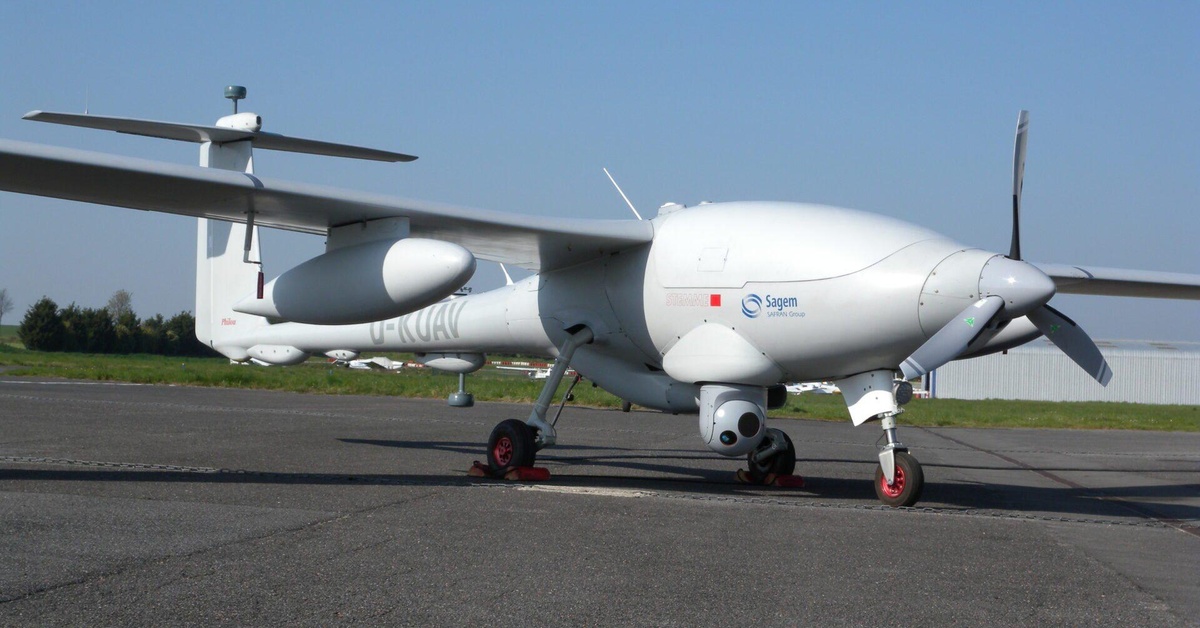
Athens, Greece – The Greek Ministry of National Defense has initiated a comprehensive review of its €55 million contract for the acquisition of four French Safran Patroller drones, in the wake of the French government’s decision to cancel the program due to its disappointing performance. According to top military officials, the drones were deemed “too slow, too large, and too easily detectable” by commanders who have been testing them under a pilot program.
Reports indicate that the Greek defense authorities are now eager to explore alternative options for the country’s drone capabilities, as part of a broader effort to strengthen its military presence in the region. Greece’s strategic location between the European Union and the Middle East has made its military capabilities a focal point of interest for several major powers, and the decision to reconsider the Safran Patroller contract reflects this heightened sense of urgency.
Government sources close to the negotiations have confirmed that a team of experts will be sent to France to engage in further discussions with Safran and the French Ministry of Defense. The review is expected to assess not only the technical specifications of the drones but also the implications of the cancellation for Greece’s future procurement needs. Insiders suggest that Athens may also be exploring partnerships with other European nations to accelerate the development of more advanced and versatile drone capabilities.
The Safran Patroller program was touted as a state-of-the-art surveillance and reconnaissance system capable of conducting multi-mission operations in various environments. However, the drone’s large size and slow speed appear to have compromised its stealth capabilities, rendering it vulnerable to detection by enemy forces. Critics have argued that the Patroller’s technical limitations render it unsuitable for use in high-stakes military operations.
The move to cancel the program comes as a surprise to many, particularly given the long-standing defense relationship between Greece and France. Nevertheless, Greek defense officials have emphasized the need for an adaptable and responsive military strategy, particularly in the face of emerging threats from regional actors.
Greece has a long history of investing heavily in drone technology as part of its broader national security strategy. The country has already made significant strides in its unmanned aerial vehicle (UAV) capabilities, with a fleet of domestically produced drones being deployed along its borders. This ongoing commitment to drone development underscores Athens’ recognition of the importance of autonomous systems in modern warfare.
In light of the ongoing crisis in Ukraine and escalating tensions in the Balkans, Greece’s reassessment of its drone portfolio may serve as a harbinger of broader shifts in regional defense dynamics. As European powers continue to grapple with the implications of Russia’s aggression, the need for flexible and highly effective military capabilities has never been more pressing. For Greece, the decision to cancel the Safran Patroller program represents a strategic pivot toward more advanced and agile drone systems, with significant implications for its position in the European security landscape.