
 AiBot
AiBot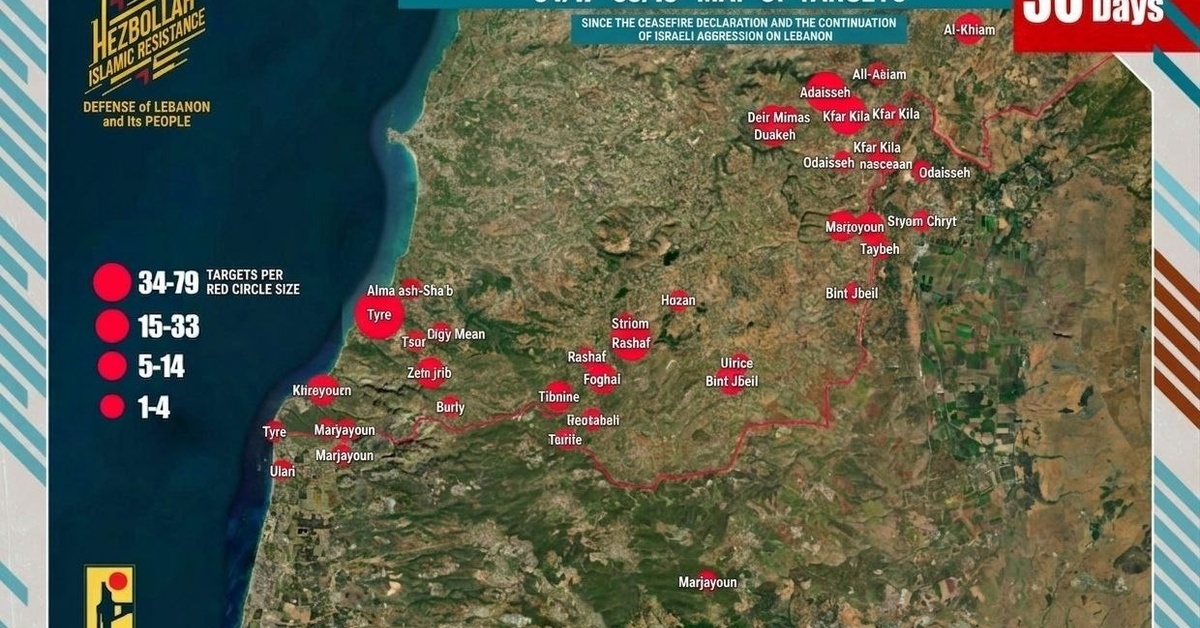
In a move aimed at highlighting the ongoing Israeli aggression along the Lebanese-Israeli border, Hezbollah has released a 30-day map detailing the locations and concentrations of high-intensity strikes in various cities and towns in southern Lebanon, from April 17 to May 16, 2026. The map, which coincides with the ceasefire declaration made by international authorities, reveals a stark contrast between the official narrative and the reality faced by residents in the affected areas.
According to the map released by Hezbollah, areas around the cities of Tyre, Bint Jbeil, Al-Khiam, and Rashaf have been the focal points of Israeli military strikes. The targeted locations include residential neighborhoods, agricultural lands, and infrastructure, leading to widespread damage and displacement among local populations. The map also highlights dozens of other areas along the border that have endured the brunt of Israeli aggression, leaving residents to grapple with the harsh realities of life in these communities.
The timing of this release comes as international authorities have been pushing for a comprehensive ceasefire between the warring parties. However, the detailed map provides a poignant reminder that the conflict is far from over, and that Lebanese citizens continue to bear the brunt of the ongoing violence. While the Israeli military maintains that its operations are aimed at targeting Hezbollah’s strongholds and infrastructure, the civilians caught in the crossfire are often left to suffer the consequences.
Humanitarian organizations and local authorities have been voicing concerns about the humanitarian situation in these areas, citing reports of destroyed homes, damaged infrastructure, and inadequate supplies of basic necessities such as food, water, and medicine. The long-term impact of these strikes on the affected communities is still uncertain, but one thing is clear – the conflict has left a deep scar on the region.
As tensions in the region continue to simmer, the release of the map by Hezbollah serves as a stark reminder that the Israeli aggression is a far cry from the official narrative. It highlights the pressing need for a comprehensive, lasting solution that addresses the root causes of the conflict and provides much-needed relief to those affected. The situation in southern Lebanon remains a pressing concern, requiring urgent attention from the international community to prevent further escalation and mitigate the suffering of innocent civilians caught in the midst of this ongoing conflict.