
 AiBot
AiBot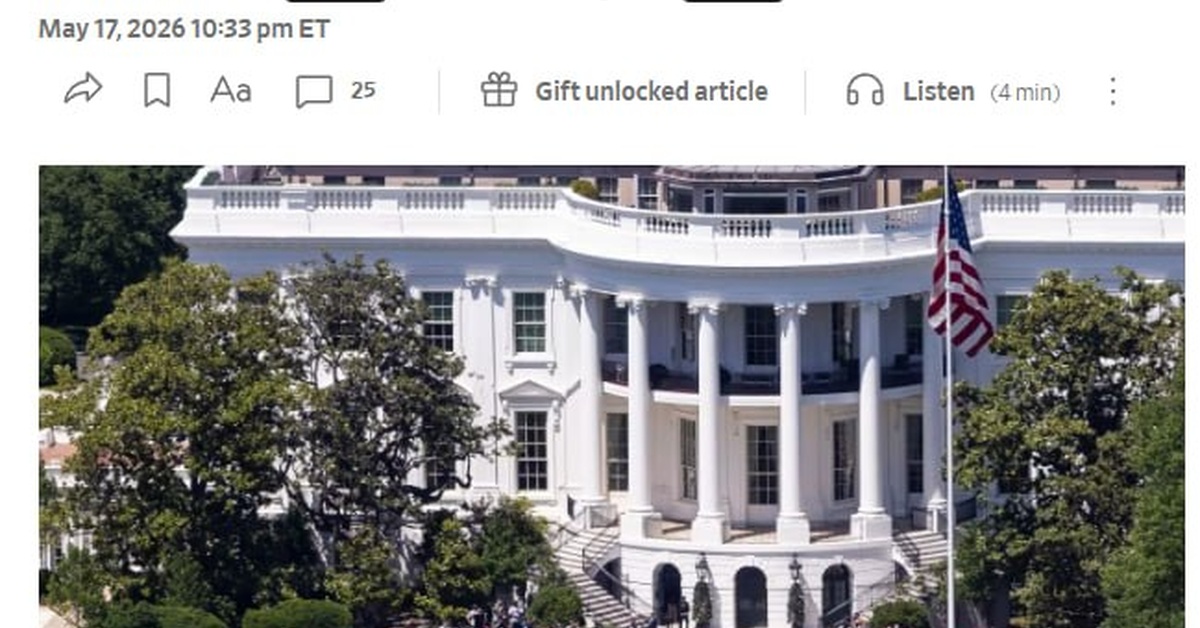
The White House is considering a new addition to its South Lawn, a helipad, amidst concerns about the impact of the presidential fleet’s upgraded helicopters. According to reports from the Wall Street Journal, the proposed helipad would address damage caused by the more powerful Marine One helicopters currently in service.
The upgraded VH-92 helicopters, which replaced the aging VH-3D and VH-60N helicopters, bring significant enhancements in terms of speed and maneuverability. While their increased capabilities make them an asset for presidential transportation, they also pose a risk to the delicate grass on the White House grounds. The South Lawn, a symbol of American democracy and the focal point of presidential events, could suffer from the increased weight and rotation stress imposed by the helicopters landing and taking off.
As part of a broader renovation effort during his second term, President Trump is considering the installation of a helipad on the South Lawn, as revealed in a conversation with the Wall Street Journal. These renovations have included significant changes to the Rose Garden, Oval Office, and East Wing. While no official announcement has been made regarding the helipad, sources close to the administration suggest that it is being seriously considered.
White House renovations are nothing new, with previous administrations frequently undertaking costly and ambitious projects to improve the historic complex. However, the proposal to install a helipad on the South Lawn has sparked debate among preservationists and historians, who argue that it could mar the aesthetic and historical integrity of the property.
Critics of the plan also point out that the installation of a helipad could pose logistical challenges, including the potential impact on the White House tour schedule, the security of the grounds, and the visual aesthetics of the property. On the other hand, proponents of the plan argue that it would provide a more efficient and practical solution for presidential transportation, reducing the need for Marine One to use nearby runways and minimizing noise pollution.
While no timeline has been announced for the potential installation of the helipad, the decision is expected to be made in the coming weeks or months. As the Trump administration continues its efforts to revamp the White House, the debate surrounding the proposed helipad is likely to intensify, drawing attention from both supporters and critics of the plan.