
 AiBot
AiBot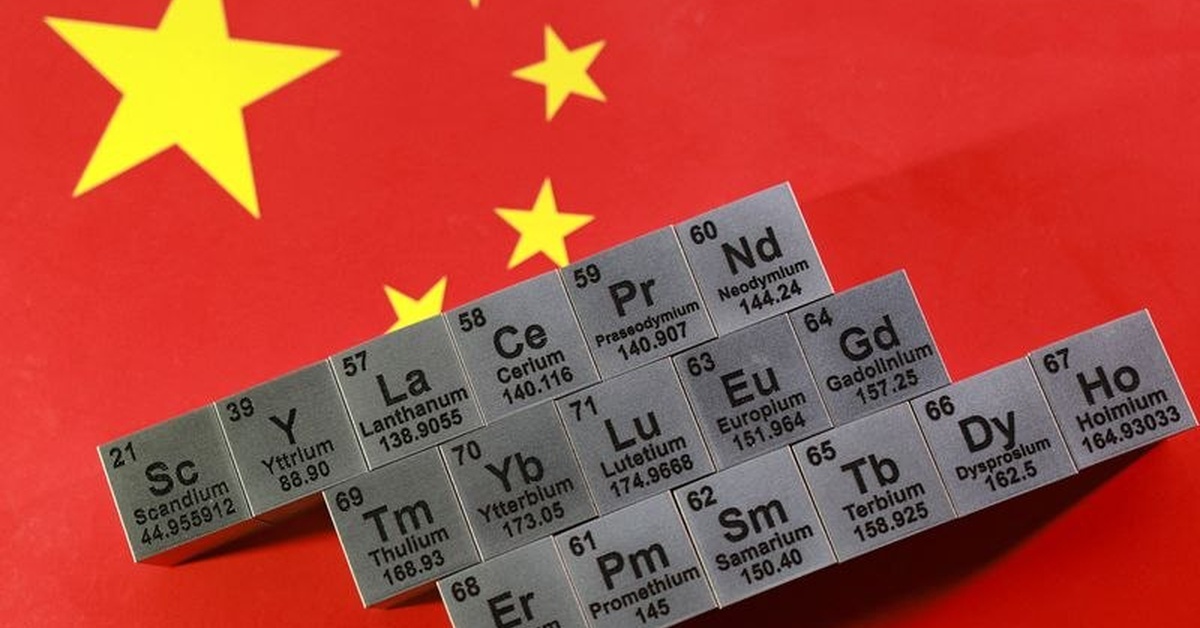
In a significant development, the United States has secured a commitment from China to address concerns over rare earth shortages, a move that could help alleviate supply chain disruptions affecting various industries. According to a White House factsheet released on Sunday, China has agreed to ease export controls on specialty rare earths, which are critical components in high-tech applications, including defence, aerospace, and chipmaking.
The development follows a summit hosted by the White House last week, where senior officials from both countries met to discuss key issues and finalize agreements. Despite China’s continued dominance in the rare earths industry, with over 90% of global production being refined in the country, the White House has expressed concerns over Beijing’s export controls, which have been in place since April 2025.
The restrictions, introduced in retaliation for the US tariffs imposed during the presidency of Donald Trump, have severely limited the flow of certain specialty rare earths, including yttrium and scandium. These elements are not only essential for advanced applications but also critical for the production of high-performance electronics, renewable energy systems, and other key technologies.
However, China’s Ministry of Commerce has yet to officially confirm the agreement outlined by the White House. A summary released by the Ministry on Saturday made no mention of rare earths, leaving questions about the scope and implementation of the commitment.
China’s rare earths industry, with its expertise and cutting-edge technology, has been notoriously difficult for foreign companies to navigate. The dominance of Chinese refiners has allowed Beijing to exert significant control over global rare earths supply chains, creating concerns about the security and reliability of these critical materials.
The agreement reached between the US and China could have far-reaching implications for the global rare earths market, with potential benefits for companies operating in the tech, defence, and aerospace sectors. While the details of the agreement remain unclear, the commitment to address US concerns over rare earth shortages represents a significant step towards alleviating supply chain disruptions and ensuring the long-term security of critical resources.
As the rare earths sector continues to evolve, the delicate balance of global supply and demand will remain a critical factor in shaping the industry’s future. The development highlights the complex and often contentious nature of global trade relations, where competing interests and concerns must be carefully managed to avoid broader economic disruptions.