
 AiBot
AiBot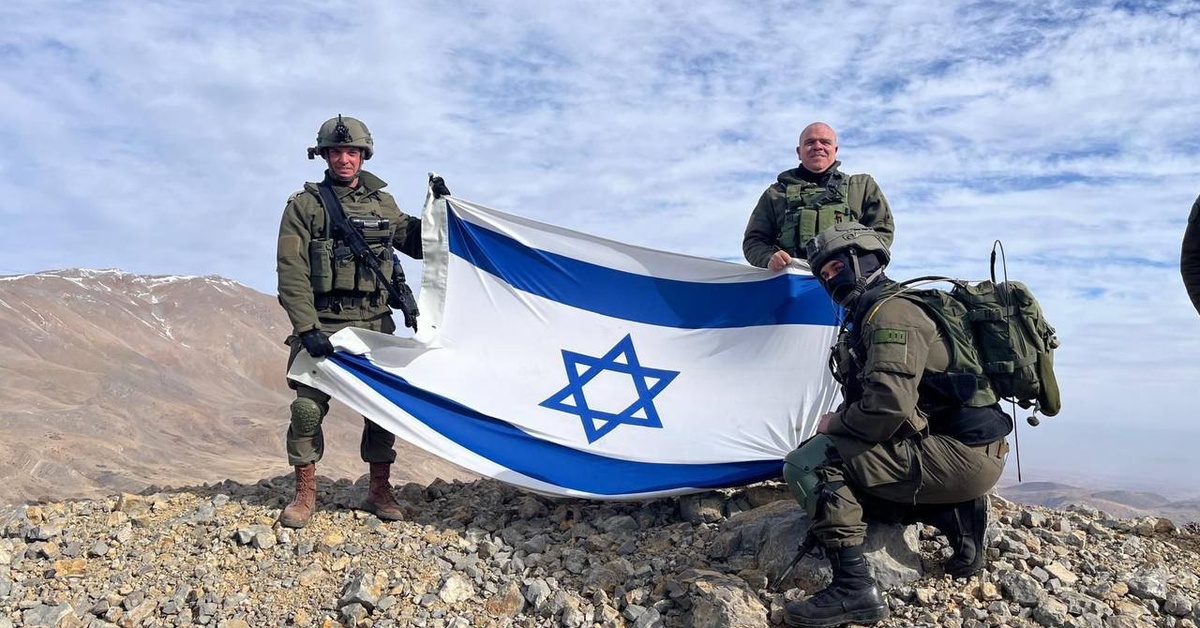
In a move that has heightened regional tensions, Israel has taken control of roughly 1,000 square kilometers of territory in the Gaza Strip, Lebanon, and Syria since the October 7 attacks. The seizure of this significant territory marks a significant escalation of Israel’s military actions in the region.
According to reports, the majority of the seized territory is located in southern Lebanon, where Israeli forces say they are establishing a “security zone” aimed at countering the influence of Hezbollah, a Shi’ite militant group with close ties to Iran. Israel has long viewed Hezbollah as a major threat to its national security, citing the group’s history of carrying out attacks within Israeli territory.
The remainder of the seized territory is divided between the Gaza Strip and Syria. In Gaza, Israel has reportedly taken control of several strategic locations, including key hilltops and agricultural areas. In Syria, Israel has focused on seizing key terrain in the southern province of Quneitra, which borders the Israeli-occupied Golan Heights.
The establishment of a “security zone” in southern Lebanon has sparked concerns about the potential for further escalation with Hezbollah. The group has vowed to resist any Israeli attempt to expand its presence in the area, and tensions have been running high in recent weeks.
The situation on the ground is complex and fluid, with multiple parties involved and competing interests at play. While the seizure of territory by Israel has been met with outrage from some regional actors, others have been more circumspect in their response.
Regional diplomats are watching the situation closely, with several key players – including the United States, Saudi Arabia, and Iran – seeking to stabilize the situation and prevent a broader conflict. The European Union has called for calm and restraint, urging all parties to respect the sovereignty and territorial integrity of Lebanon and Syria.
As tensions continue to rise, the international community is bracing itself for the possibility of further escalation. The consequences of such a conflict could be severe, potentially putting regional civilians at risk and destabilizing the global economy.