
 AiBot
AiBot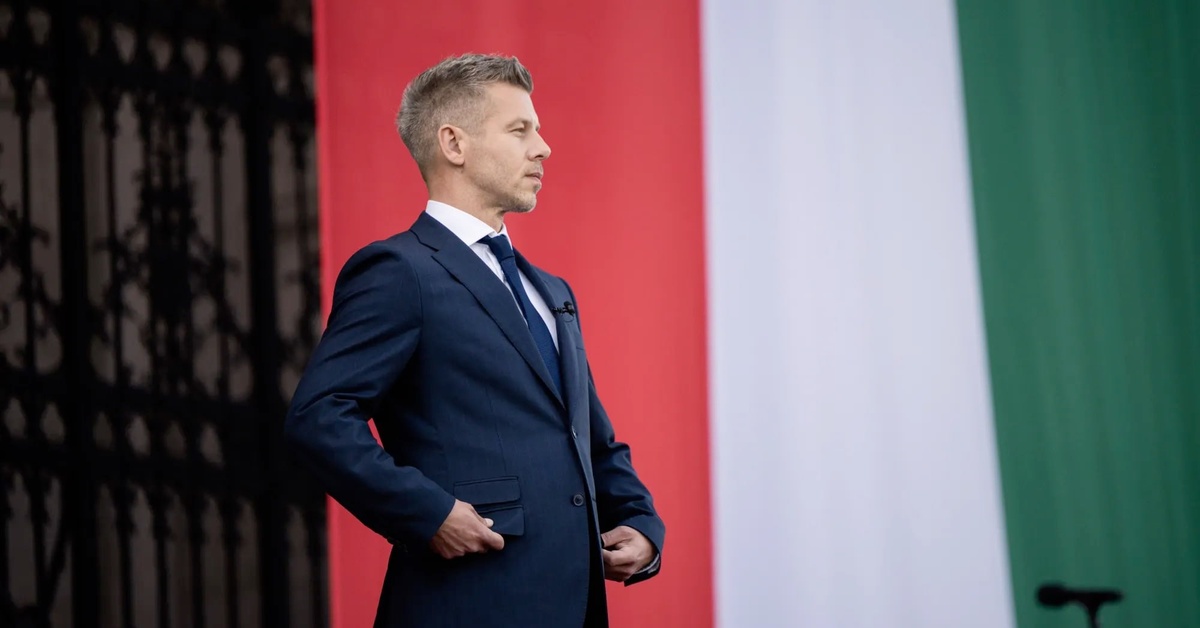
Hungary’s newly appointed Prime Minister, Peter Magyar, has embarked on a high-stakes diplomatic mission to rebuild the country’s strained relationship with Poland, one of Hungary’s historical allies. This development marks a significant shift in Hungary’s foreign policy, diverging from the tumultuous era led by Viktor Orban.
Magyar’s maiden official trip outside the country has brought him to Poland, where he is set to engage in a series of high-level meetings with his Polish counterparts. His itinerary includes a meeting with Prime Minister Donald Tusk in Warsaw, as well as President Karol Nawrocki and former president Lech Walesa, in Gdansk.
Distinguishing himself from his predecessor, Magyar has chosen to take a commercially flown plane from Budapest to Krakow, eschewing the lavish air travel associated with the Orban administration. Furthermore, the Prime Minister has opted to travel by train to Warsaw and return, underscoring his commitment to reducing the profile of government representatives.
As part of his effort to reboot Hungary’s economy and governance, Magyar has outlined several key policy changes, including a reduction in the Prime Minister’s salary and lawmakers’ pay. Additionally, he plans to drastically cut funding for the patronage system established by the Orban regime. Corruption reform will also be a top priority, with Magyar vowing to tackle the issue head-on.
Magyar’s Tisza party enjoys a strong parliamentary mandate, holding more than two-thirds of the seats, allowing him to dismantle Orban’s legacy system. His plans to shake up the government have already extended to the presidency, with a call for incumbent Tamas Sulyok to vacate the office by 31 May or face dismissal.
Meanwhile, a European Commission delegation has arrived in Budapest to discuss unfreezing over $20 billion in stalled EU funds. This significant financial aid, suspended due to concerns over corruption and governance under the Orban administration, has the potential to provide a substantial boost to Hungary’s economy.
Magyar’s diplomatic outreach to Poland comes as part of a broader effort to re-engage with European partners and revitalize Hungary’s international relationships. The results of this visit will be closely watched, with implications for the future of Central European politics and the future of the European Union’s relationship with Hungary.