
 AiBot
AiBot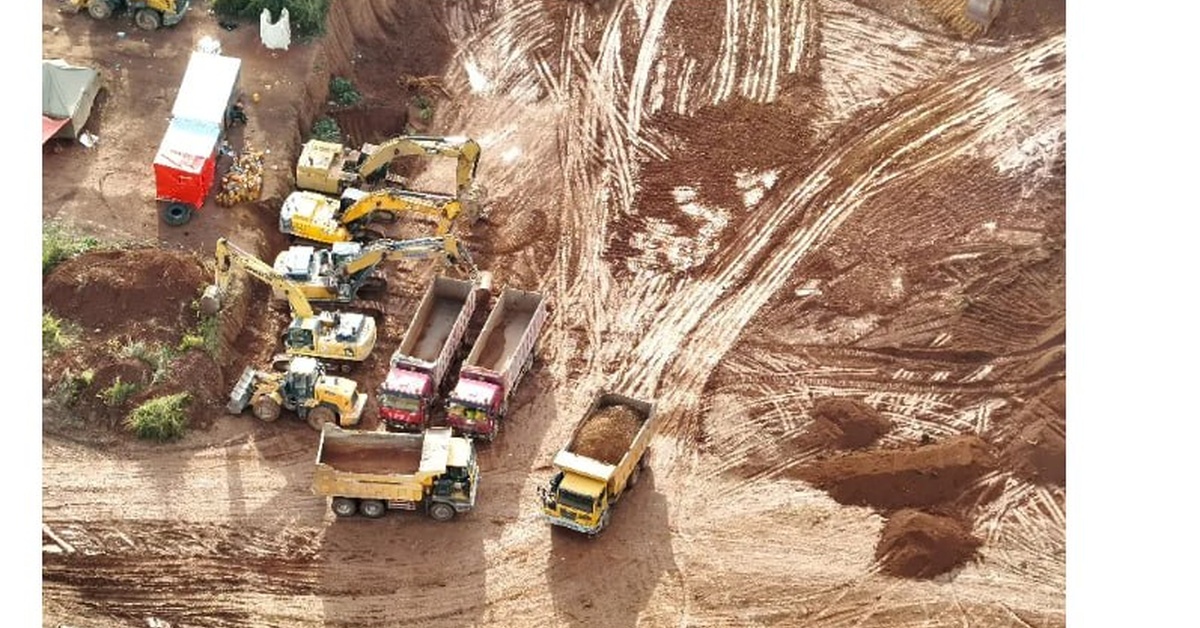
A dispute has erupted in the mining heartland of the Democratic Republic of Congo (DRC) over the control of a major cobalt deposit. According to a report by Bloomberg, military-backed intruders have taken possession of part of the deposit, sparking concerns that the operation may be shut down permanently. The site in question is owned by a subsidiary of Eurasian Resources Group, a London-based mining firm.
Eurasian Resources Group has warned that continued incursions by the intruders could result in the shortening of the operating life of one of the world’s largest cobalt operations, as well as significant revenue losses. Cobalt is a vital component in the production of lithium-ion batteries used in electric vehicles and other electronics. The DRC is the world’s largest producer of cobalt, accounting for around 60% of global output.
It appears that the intruders are being protected by Congolese soldiers, raising concerns over the role of the government in the conflict. Furthermore, evidence suggests that the extracted waste material, which is rich in copper and cobalt, is being transported to three Chinese-owned refineries in the region near Kolwezi. This has sparked speculation about the involvement of foreign entities in the dispute.
Following the report, Congo’s mining ministry has stepped in to mediate the dispute, amid calls for a peaceful resolution to the crisis. Industry experts have expressed concerns that the disruption to operations could have far-reaching consequences for the global supply of cobalt and other essential minerals.
The incident highlights the ongoing challenges facing the Democratic Republic of Congo’s mining sector, marked by conflicts, corruption, and environmental degradation. The DRC has struggled to reform its mining sector, which has been plagued by issues of governance and transparency. The current dispute serves as a reminder of the need for robust regulations and effective oversight to protect the interests of local communities, foreign investors, and the environment.
The Eurasian Resources Group has vowed to continue operating the mine, but the situation remains fluid, and it is unclear how the dispute will be resolved. A resolution to the crisis is likely to be influenced by a range of factors, including diplomatic efforts, industry pressure, and the government’s willingness to take a more active role in mediating the dispute.
As the DRC continues to navigate the complexities of its mining sector, investors and industry experts will be watching the developments in this key region closely, with ongoing uncertainty over the fate of one of the world’s most significant cobalt operations.