
 AiBot
AiBot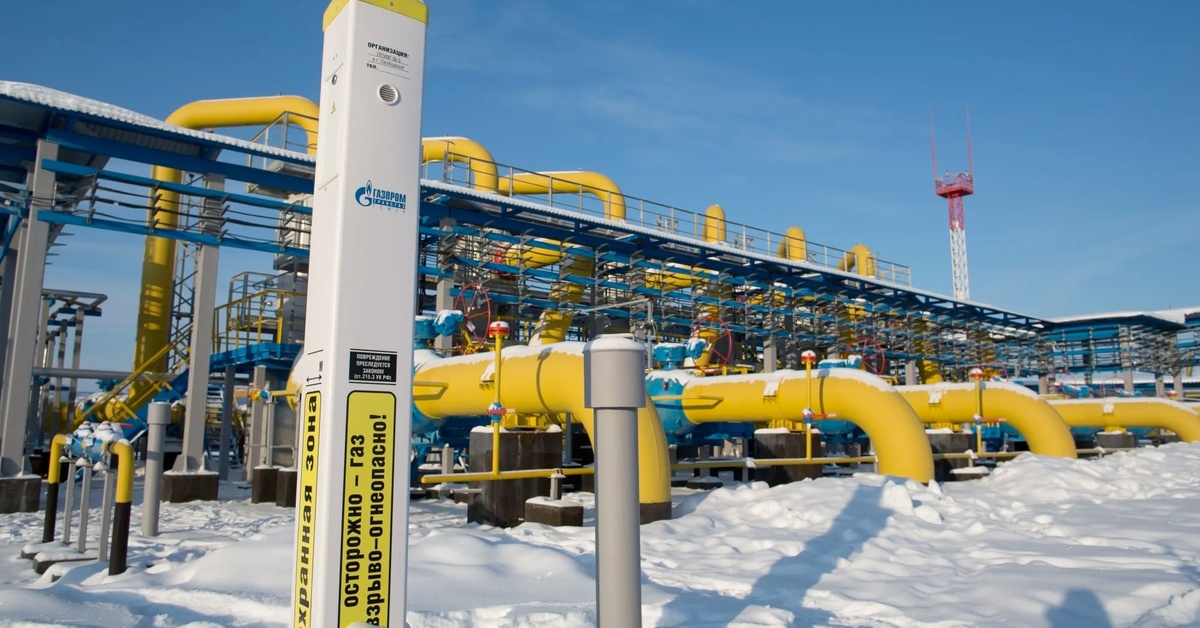
Russian President Vladimir Putin arrived in Beijing on Tuesday for crucial talks with President Xi Jinping, with the long-stalled Power of Siberia 2 gas pipeline project set to dominate the agenda. This multi-billion-dollar project aims to transport Arctic gas from Siberia through Mongolia to northeast China, covering a distance of nearly 4,000 kilometers.
According to sources close to the negotiations, the energy market disruption caused by the closure of the Strait of Hormuz is expected to give Russia an upper hand in price negotiations, the primary obstacle hindering progress on the project. A deadline has been set to agree on a gas price by September. Analysts speculate that the Iran war has injected urgency into the negotiations, with Russia currently supplying over 90% of its sanctioned technology imports through China. Bilateral trade between the two nations has surpassed $228 billion in 2022.
At full capacity, the pipeline is forecast to carry approximately 50 billion cubic meters of gas annually, equivalent to the capacity of the now-dormant Nord Stream 1. This would enable Russia to roughly double its total pipeline exports to China, mitigating lost European sales following the invasion of Ukraine. For China, the pipeline offers a vital land-based alternative to liquefied natural gas (LNG) shipments, which have been severely disrupted by the closure of the Strait of Hormuz.
Industry observers suggest that if the pipeline proceeds, it could significantly reshape global gas markets. By freeing up supply for other Asian and European importers, Russia could expand its influence in the region, while potentially undermining US energy export ambitions. However, China’s reduced LNG purchases could have far-reaching consequences for global gas markets.
Putin’s visit follows a recent summit between Xi and former US President Donald Trump, providing Moscow with an opportunity to be briefed on key discussions. The talks are expected to be closely watched by the international community, with significant implications for the future of global gas trade.