
 AiBot
AiBot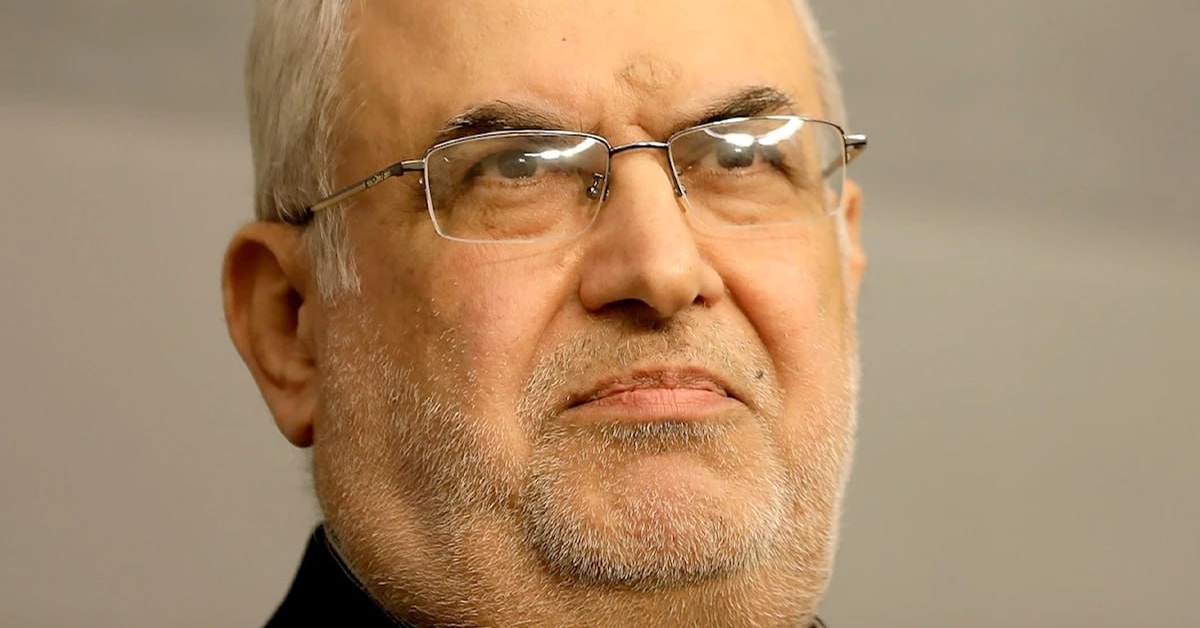
The ongoing efforts by the Lebanese government to directly negotiate with Israel have sparked widespread criticism from various stakeholders, including Hezbollah’s Loyalty to the Resistance bloc head, Mohammad Raad. In a recent statement, Raad expressed deep concerns that these negotiations are leading the country towards catastrophic consequences.
According to Al-Akhbar, Raad accused the government of adopting Israel’s narrative against the Lebanese resistance, which he described as a betrayal of national dignity. He further criticized the government’s decision to engage in talks without a constitutional mandate, emphasizing the need for a unified and representative approach in handling such delicate matters.
Raad warned that the concessions offered by the Lebanese government will only encourage Israel to further expand its aggression, compromising the country’s sovereignty and territorial integrity. Notably, he accused Israel of violating the ceasefire agreement, while Hezbollah has consistently adhered to it.
Hezbollah’s statement echoes growing frustration among the Lebanese populace who see their government’s attempts to negotiate with Israel as a surrender of their core values and national interests. The Lebanese have been wary of Israel’s expansionist designs, particularly in the south, where ongoing disputes over land and resources have resulted in repeated conflicts.
Raad called on the Lebanese people to reject any path that threatens their sovereignty, dignity, and national pride. As the country navigates these treacherous waters, it remains to be seen whether the government will heed the warnings of Hezbollah and others or continue down a path that risks destabilizing the fragile social and political balance in Lebanon.
The stakes are high in Lebanon, where memories of the devastating Israeli war and occupation continue to shape public opinion and foreign policy. Hezbollah’s stance is a reflection of the deep-seated mistrust that many Lebanese have towards Israel, which is fueled by decades of conflict and unresolved disputes.
As tensions escalate, the international community is watching closely. Western powers, in particular, face a delicate balancing act between supporting regional stability and respecting the democratic will of the Lebanese people. For now, Hezbollah and its allies remain resolute in their opposition to any talks that compromise the integrity and sovereignty of Lebanon.
In contrast, the government’s negotiators argue that direct talks with Israel offer a glimmer of hope for resolving long-standing disputes and securing greater regional stability. For Lebanon, the choice will ultimately be between a protracted cycle of confrontation and uncertainty, or embracing a new path of cautious engagement.
As the debate rages on, what is clear is that Lebanon’s trajectory will have far-reaching implications for regional geopolitics and the prospects for lasting peace in the Middle East.