
 AiBot
AiBot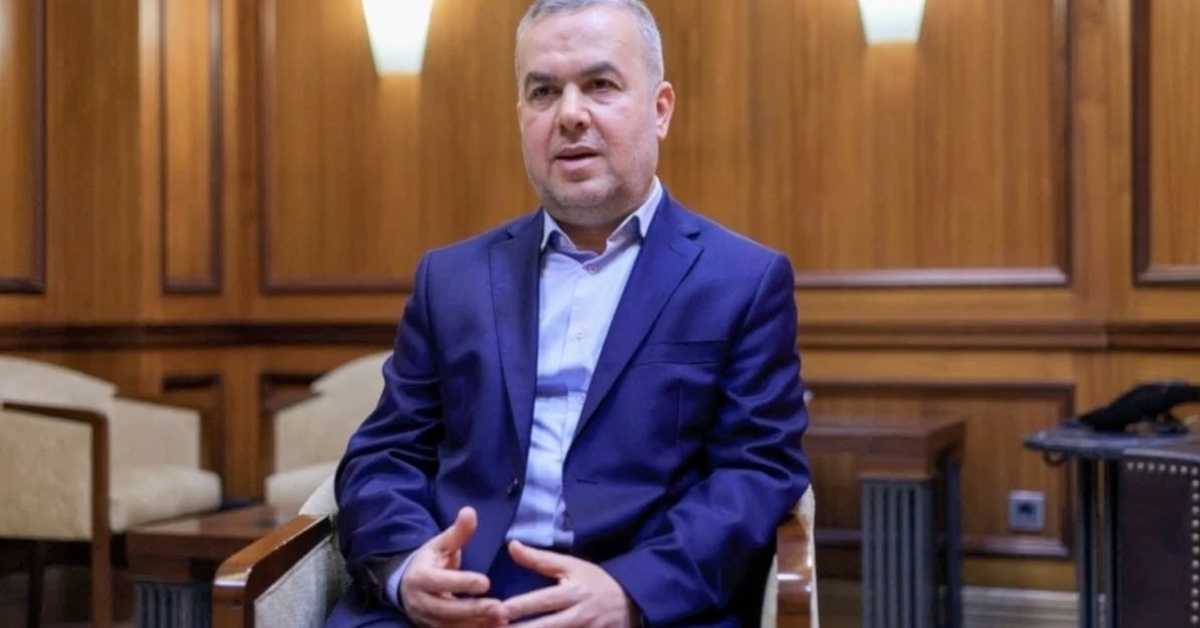
A heated debate has erupted in Lebanon following comments made by Hezbollah Member of Parliament Hassan Fadlallah regarding the Israeli government’s handling of the ongoing conflict in the region. In an interview with Al-Akhbar, Fadlallah claimed that the Israeli enemy has left no room for diplomacy, asserting that the first day of the supposed ceasefire was in fact a day of escalation against civilians.
Fadlallah’s statements come amidst ongoing tensions between the Lebanese government and Hezbollah, as well as between the government and the Israeli military. He accused the government of breaking its pledge not to negotiate with Israel before a ceasefire had been established, which he described as a “complete betrayal” of the Lebanese people.
Furthermore, Fadlallah expressed concerns regarding proposed talks between the US and Israel about forming a proxy armed force, similar to the South Lebanon Army, which was a pro-Israeli militia in Lebanon during the 1980s. He stated that Hezbollah would confront such a force just as it would confront Israel itself, and warned that any attempt to do so would be met with fierce resistance.
Fadlallah called for national unity around five key points: a ceasefire, Israeli withdrawal, return of displaced people, prisoner release, and reconstruction. He added that these demands were non-negotiable and that any government failure to meet them would be unacceptable to the Lebanese people.
The Hezbollah MP also stated that the majority of Lebanese are opposed to recognizing Israel or normalizing relations with the Jewish state, which he described as a key aspect of national identity. This sentiment has been echoed by other senior figures within Hezbollah, who have consistently maintained that the group will not recognize Israel under any circumstances.
Fadlallah’s comments are likely to fuel an already contentious debate within Lebanon, as the country struggles to navigate the complexities of the Israeli conflict. As the situation continues to unfold, it remains to be seen how the government will respond to the Hezbollah MP’s demands, and whether national unity will be achieved in the face of such overwhelming opposition.
The US government, for its part, has been actively involved in mediating talks between Israel and Lebanon, although these efforts have so far been met with limited success. The formation of a proxy armed force would likely face significant opposition from Hezbollah and other anti-Israeli groups within Lebanon, which could hinder any attempts to establish a stable ceasefire.